Sell / buy
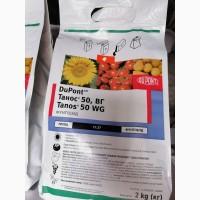
Thanos, dg 0, 4 kg Price 400 UAH/pk, Zaporizhzhya region.
Region:all of Ukraine,
Zaporozhskaya region.
TANOS is a highly effective fungicide for protecting potatoes from late blight and Alternaria, resistant to washing, containing two active substances, the pioneer of which is the company "Dupont"
Manufacturer: Dupont
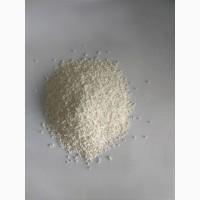
Preparative form: water-dispersible granules (VDH)
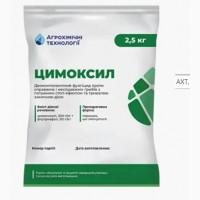
Active ingredient: Famoxadone + Cymoxanil
D.V. concentration: 250 + 250 g/kg
Chemical class of the active substance: strobilurins + cyanoacetamide oxime
Packaging: foiled
DESCRIPTION OF THE PREPARATION
famoxadone (250 g/l) ― contact d.v.
cimoxanil (250 g/l) - local and systemic d.v.
MECHANISM OF ACTION OF THANOS
Two biologically active active substances that are part of TANOSA mutually strengthen and complement each other.
Famoxadone is a contact component of TANOSA, firmly binds to the cuticle and is stored in the waxy layer of leaves. Due to this, the resistance of the drug to washing is ensured. Upon contact with the surface of a sheet treated with THANOS, zoospores die within 2 seconds.
Cymoxanil is a local and systemic component of TANOSA, quickly penetrates inside the leaves and stem and has a prophylactic, protective and healing effect. Cymoxanil moves in the leaves, as well as in the stems from the bottom up. This compensates for the uneven distribution of the working solution on the plants during processing. The therapeutic effect is ensured even when processed 1-2 days after infection due to a hypersensitivity reaction (cymoxanil stops the development of the disease due to the encapsulation of infected plant cells).
PREPARATIVE FORM
Water-soluble granules do not dust, do not freeze, do not crystallize and dissolve well.
RECOMMENDATIONS FOR THE USE OF THANOS
TANOS is most effective when used prophylactically before infection or a maximum of 1-2 days after infection. The drug can be used up to 4 times per season, but no more than 2 times in a row. The use of THANOS for the first treatments is especially effective (see the last section of this booklet).
In normal weather conditions, it is recommended to apply TANOS with an interval of 10-12 days. In rainy conditions, especially during the period of intensive growth, when the risk of infection is especially high, it is recommended to reduce the interval between treatments to 7-8 days. Rain 3 hours after treatment does not reduce the effectiveness of the drug.
RELIABLE SCREENING EFFECT
TANOS is the only complex fungicide that is resistant to washing off. The contact component of TANOSA (famoxadone) forms a film on the surface of the leaf and acts as a protective barrier that prevents the penetration of the pathogen into the plant. Thanks to its ability to bind to the cuticle, famoxadone is not washed away by rain or irrigation after 3 hours. Under the influence of moisture, its more uniform redistribution occurs on the surface of the sheet. Famoxadone has a unique ability to reactivate - it can move from the cuticle to the surface of the leaf, which increases the protective effect. This makes TANOS practically indispensable in rainy weather and on irrigated areas.
PROTECTION AGAINST ALTERNARIOSIS
TANOS is a highly effective drug for protection not only from late blight, but also from Alternaria. Experiments have shown that its effectiveness against alternariosis is many times higher than the effectiveness of other drugs. Therefore, TANOS is widely used to protect against Alternaria during the entire vegetation period.
THANOS IN THE POTATO PROTECTION PROGRAM(//tractor-service.com)
A properly prepared fungicide treatment program to protect potatoes from late blight and alternaria is the basis for obtaining a high-quality potato harvest. The first processing is especially important, since mistakes made at this time are very difficult to correct with subsequent processing. The first field treatments should provide:
protection of the surface of potato plants from external infection (zoospores falling on the stems and leaves);
destruction of sources of contamination on the surface of the soil;
medicinal effect in plants against internal hidden (as a rule, stem) infection.
It is especially important to protect potato plants from stem blight, which has a longer incubation period (up to 10 or more days) between infection and the appearance of the first visible symptoms, and affected stems, unlike leaves, can sporulate for a longer time.
CHOICE OF FUNGICIDE FOR THE FIRST TREATMENTS
Currently available drugs do not allow to completely cure plants after the appearance of visible symptoms of phytophthora. Therefore, the first treatments should be preventive and carried out before infection (maximum within 1-2 days after infection), necessarily before the appearance of visible symptoms.
The use of only contact preparations for the first treatments does not provide a therapeutic effect inside the plants (ie, if there is an internal hidden infection, which is usually introduced with seed material, it gets another 10-12 days to develop before the next treatment). It is dangerous to use fully systemic drugs due to the presence of resistant strains of the causative agent of phytophthora. In addition, systemic drugs are recommended to be completely excluded from potato seed plantings.
Of all fungicides, TANOS is the most suitable for the first two treatments. The contact component of TANOSA - famoxadone - is one of the most powerful known fungicides against phytophthora and Alternaria. After processing, it creates a protective screen on the surface of processed plants, destroying zoospores. At the same time, it has a unique resistance to washing away - this is extremely important in rainy conditions and on irrigated areas.
The local and systemic component of TANOSA simultaneously "washes" plant tissues and provides a therapeutic effect against latent infection. THANOS is one of the most powerful fungicides against latent/stem infection. At the same time, the high concentration of TANOSA in processed plants guarantees its stable effectiveness. There are no forms of late blight that are resistant to cymoxanil and destroyed by TANOSU.
The beginning of the first treatments usually coincides with the time of the last termtreatment with herbicide TITUS (when the plants are up to 20 cm high), necessarily before the rows are closed. Currently, in order to ensure guaranteed protection, the first treatments are increasingly carried out earlier when the potato is 5-10 cm high, especially on chip and seed potatoes.
SUBSEQUENT PROCESSING
The following 1-2 treatments during the period of intensive growth/shrinkage of potato rows are recommended to be carried out with complex preparations (including possible treatment with systemic fungicides if there are no resistant strains and the potatoes are not intended to be used as seed potatoes). It is better to use the average or minimum recommended intervals between treatments (8-12 days).
Further treatments are carried out alternately with complex or contact fungicides, usually with medium intervals between treatments (8-12 days). Shorten the intervals to 5-7 days in rainy weather, during the period of intense plant growth, with a high risk of infection. The use of TANOSA in the treatment program during this period provides both powerful protection against phytophthora (especially in rainy conditions) and Alternaria. KURZAT R can be used in the absence of alternariosis and in rainy weather.
The use of TANOS and KURZAT R is especially effective in programs saturated with mancoceb-containing drugs, because the use of drugs with the same contact active substance more than twice in a row sharply reduces the effectiveness of the entire treatment program. In such cases, TANOS and KURZAT R are indispensable - they do not contain mancoceb and can be used to "break" the chain of treatments with drugs with the same active substance.
The treatment program should ensure the absence of visible symptoms of late blight during the entire vegetation period. In the event of visible symptoms of late blight, apply TANOS, but only in a mixture with a contact spore-killing fungicide (TANOS + fluazinem, TANOS + mancozeb, TANOS + chlorothalonil). Both drugs in such a mixture should be used in the full consumption rate.
At the end of the season, carry out desiccation in a mixture with a cheap contact fungicide to destroy the sources of infection on the surface of the soil and plant residues. This method is widely used in the cultivation of potato chips and significantly reduces contamination of tubers during harvesting, which reduces losses during storage.
Regulations on the application of fungicide Thanos, VDG
Culture Rate of flow, l, kg/ha Harmful object Method, time of processing, special features of application Waiting time (time of processing) Release dates for manual (mech.) works
Potatoes 0.6 Phytophthora, Alternaria. Spraying during the growing season: the first is at the beginning of closing the rows; the second - during the period of budding; the third is at the end of flowering; the fourth is the growth of berries and tubers. Consumption of working fluid - 400 l/ha 15(4) 7(3)
Vinograd 0.4 Mildew Spraying during the growing season: the first - prophylactic (before flowering), the following - with an interval of 8-12 days. Consumption of working fluid - 1000 l/ha 30(3) 7(3)
Open ground tomato 0.5-0.6 Phytophthora, Alternaria. Spraying during the growing season: the first is prophylactic, the next is with an interval of 8-12 days. Consumption of working fluid - 400 l/ha 14(4)
Sunflower 0.6 White rot, gray rot, powdery mildew, phomopsis, fomosis Spraying during the growing season in phases: 4-6 true leaves (prophylactic) and budding. Consumption of working fluid - 400 l/ha 50(2)
0.4 Spraying during the vegetation period in phases: 4-6 true leaves (prophylactic), budding and the beginning of flowering. Consumption of working fluid - 400 l/ha 50(3)
Onion 0.5-0.6 Peronosporosis Spraying during the growing season: the first - prophylactic, the next - with an interval of 8-12 days. Consumption of working fluid - 400-600 l/ha 21(3)
Grapes 4 g/10 l of water (L) Mildew Spraying during the growing season. Consumption of working fluid ― 10 l/100 m2 30(3) 3(-)
Open ground tomato 6 g/10 l of water (L) Phytophthora, Alternaria 14(4)
Potato 15(4)
Onion 12 g/10 l of water (L) Downy mildew Spraying during the growing season: the first is prophylactic
Manufacturer: Dupont
Preparative form: water-dispersible granules (VDH)
Active ingredient: Famoxadone + Cymoxanil
D.V. concentration: 250 + 250 g/kg
Chemical class of the active substance: strobilurins + cyanoacetamide oxime
Packaging: foiled
DESCRIPTION OF THE PREPARATION
famoxadone (250 g/l) ― contact d.v.
cimoxanil (250 g/l) - local and systemic d.v.
MECHANISM OF ACTION OF THANOS
Two biologically active active substances that are part of TANOSA mutually strengthen and complement each other.
Famoxadone is a contact component of TANOSA, firmly binds to the cuticle and is stored in the waxy layer of leaves. Due to this, the resistance of the drug to washing is ensured. Upon contact with the surface of a sheet treated with THANOS, zoospores die within 2 seconds.
Cymoxanil is a local and systemic component of TANOSA, quickly penetrates inside the leaves and stem and has a prophylactic, protective and healing effect. Cymoxanil moves in the leaves, as well as in the stems from the bottom up. This compensates for the uneven distribution of the working solution on the plants during processing. The therapeutic effect is ensured even when processed 1-2 days after infection due to a hypersensitivity reaction (cymoxanil stops the development of the disease due to the encapsulation of infected plant cells).
PREPARATIVE FORM
Water-soluble granules do not dust, do not freeze, do not crystallize and dissolve well.
RECOMMENDATIONS FOR THE USE OF THANOS
TANOS is most effective when used prophylactically before infection or a maximum of 1-2 days after infection. The drug can be used up to 4 times per season, but no more than 2 times in a row. The use of THANOS for the first treatments is especially effective (see the last section of this booklet).
In normal weather conditions, it is recommended to apply TANOS with an interval of 10-12 days. In rainy conditions, especially during the period of intensive growth, when the risk of infection is especially high, it is recommended to reduce the interval between treatments to 7-8 days. Rain 3 hours after treatment does not reduce the effectiveness of the drug.
RELIABLE SCREENING EFFECT
TANOS is the only complex fungicide that is resistant to washing off. The contact component of TANOSA (famoxadone) forms a film on the surface of the leaf and acts as a protective barrier that prevents the penetration of the pathogen into the plant. Thanks to its ability to bind to the cuticle, famoxadone is not washed away by rain or irrigation after 3 hours. Under the influence of moisture, its more uniform redistribution occurs on the surface of the sheet. Famoxadone has a unique ability to reactivate - it can move from the cuticle to the surface of the leaf, which increases the protective effect. This makes TANOS practically indispensable in rainy weather and on irrigated areas.
PROTECTION AGAINST ALTERNARIOSIS
TANOS is a highly effective drug for protection not only from late blight, but also from Alternaria. Experiments have shown that its effectiveness against alternariosis is many times higher than the effectiveness of other drugs. Therefore, TANOS is widely used to protect against Alternaria during the entire vegetation period.
THANOS IN THE POTATO PROTECTION PROGRAM(//tractor-service.com)
A properly prepared fungicide treatment program to protect potatoes from late blight and alternaria is the basis for obtaining a high-quality potato harvest. The first processing is especially important, since mistakes made at this time are very difficult to correct with subsequent processing. The first field treatments should provide:
protection of the surface of potato plants from external infection (zoospores falling on the stems and leaves);
destruction of sources of contamination on the surface of the soil;
medicinal effect in plants against internal hidden (as a rule, stem) infection.
It is especially important to protect potato plants from stem blight, which has a longer incubation period (up to 10 or more days) between infection and the appearance of the first visible symptoms, and affected stems, unlike leaves, can sporulate for a longer time.
CHOICE OF FUNGICIDE FOR THE FIRST TREATMENTS
Currently available drugs do not allow to completely cure plants after the appearance of visible symptoms of phytophthora. Therefore, the first treatments should be preventive and carried out before infection (maximum within 1-2 days after infection), necessarily before the appearance of visible symptoms.
The use of only contact preparations for the first treatments does not provide a therapeutic effect inside the plants (ie, if there is an internal hidden infection, which is usually introduced with seed material, it gets another 10-12 days to develop before the next treatment). It is dangerous to use fully systemic drugs due to the presence of resistant strains of the causative agent of phytophthora. In addition, systemic drugs are recommended to be completely excluded from potato seed plantings.
Of all fungicides, TANOS is the most suitable for the first two treatments. The contact component of TANOSA - famoxadone - is one of the most powerful known fungicides against phytophthora and Alternaria. After processing, it creates a protective screen on the surface of processed plants, destroying zoospores. At the same time, it has a unique resistance to washing away - this is extremely important in rainy conditions and on irrigated areas.
The local and systemic component of TANOSA simultaneously "washes" plant tissues and provides a therapeutic effect against latent infection. THANOS is one of the most powerful fungicides against latent/stem infection. At the same time, the high concentration of TANOSA in processed plants guarantees its stable effectiveness. There are no forms of late blight that are resistant to cymoxanil and destroyed by TANOSU.
The beginning of the first treatments usually coincides with the time of the last termtreatment with herbicide TITUS (when the plants are up to 20 cm high), necessarily before the rows are closed. Currently, in order to ensure guaranteed protection, the first treatments are increasingly carried out earlier when the potato is 5-10 cm high, especially on chip and seed potatoes.
SUBSEQUENT PROCESSING
The following 1-2 treatments during the period of intensive growth/shrinkage of potato rows are recommended to be carried out with complex preparations (including possible treatment with systemic fungicides if there are no resistant strains and the potatoes are not intended to be used as seed potatoes). It is better to use the average or minimum recommended intervals between treatments (8-12 days).
Further treatments are carried out alternately with complex or contact fungicides, usually with medium intervals between treatments (8-12 days). Shorten the intervals to 5-7 days in rainy weather, during the period of intense plant growth, with a high risk of infection. The use of TANOSA in the treatment program during this period provides both powerful protection against phytophthora (especially in rainy conditions) and Alternaria. KURZAT R can be used in the absence of alternariosis and in rainy weather.
The use of TANOS and KURZAT R is especially effective in programs saturated with mancoceb-containing drugs, because the use of drugs with the same contact active substance more than twice in a row sharply reduces the effectiveness of the entire treatment program. In such cases, TANOS and KURZAT R are indispensable - they do not contain mancoceb and can be used to "break" the chain of treatments with drugs with the same active substance.
The treatment program should ensure the absence of visible symptoms of late blight during the entire vegetation period. In the event of visible symptoms of late blight, apply TANOS, but only in a mixture with a contact spore-killing fungicide (TANOS + fluazinem, TANOS + mancozeb, TANOS + chlorothalonil). Both drugs in such a mixture should be used in the full consumption rate.
At the end of the season, carry out desiccation in a mixture with a cheap contact fungicide to destroy the sources of infection on the surface of the soil and plant residues. This method is widely used in the cultivation of potato chips and significantly reduces contamination of tubers during harvesting, which reduces losses during storage.
Regulations on the application of fungicide Thanos, VDG
Culture Rate of flow, l, kg/ha Harmful object Method, time of processing, special features of application Waiting time (time of processing) Release dates for manual (mech.) works
Potatoes 0.6 Phytophthora, Alternaria. Spraying during the growing season: the first is at the beginning of closing the rows; the second - during the period of budding; the third is at the end of flowering; the fourth is the growth of berries and tubers. Consumption of working fluid - 400 l/ha 15(4) 7(3)
Vinograd 0.4 Mildew Spraying during the growing season: the first - prophylactic (before flowering), the following - with an interval of 8-12 days. Consumption of working fluid - 1000 l/ha 30(3) 7(3)
Open ground tomato 0.5-0.6 Phytophthora, Alternaria. Spraying during the growing season: the first is prophylactic, the next is with an interval of 8-12 days. Consumption of working fluid - 400 l/ha 14(4)
Sunflower 0.6 White rot, gray rot, powdery mildew, phomopsis, fomosis Spraying during the growing season in phases: 4-6 true leaves (prophylactic) and budding. Consumption of working fluid - 400 l/ha 50(2)
0.4 Spraying during the vegetation period in phases: 4-6 true leaves (prophylactic), budding and the beginning of flowering. Consumption of working fluid - 400 l/ha 50(3)
Onion 0.5-0.6 Peronosporosis Spraying during the growing season: the first - prophylactic, the next - with an interval of 8-12 days. Consumption of working fluid - 400-600 l/ha 21(3)
Grapes 4 g/10 l of water (L) Mildew Spraying during the growing season. Consumption of working fluid ― 10 l/100 m2 30(3) 3(-)
Open ground tomato 6 g/10 l of water (L) Phytophthora, Alternaria 14(4)
Potato 15(4)
Onion 12 g/10 l of water (L) Downy mildew Spraying during the growing season: the first is prophylactic
Ad ID: #997402
(added by a registered user)
Permanent ad address:
Showed / watched for today: ?, total: ?
Similar fresh ads
Among them there are many interesting...