
Propolis bulk, Poltavskaya region.
Прополис сыпучий, Полтавская обл.
Region:all of Ukraine,
Poltava region.
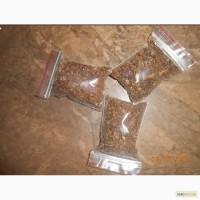
Buy propolis crushed bulk packaged from a beekeeper
Weight: 100 grams. Packing takes place before shipping. Available in doi-pak packages made of kraft paper with a transparent window.
Useful properties, application of propolis
Propolis has long been used by people for the production of medicinal and cosmetic products: tinctures, ointments, balms, soaps, suppositories.Bees make propolis from plant resins and balms, which they bring to the hive. Insects use it to disinfect the air and honeycombs in the nest. Bees also seal cracks and holes with them.
Propolis is collected by beekeepers by cleaning partshive, and specially placed nets, which are pollinated by bees, because they do not like any holes. Propolis, which is prepared by a beekeeper, has the appearance of scales and has a loose state at a low temperature. When the temperature rises, the scales can stick together in a lump.
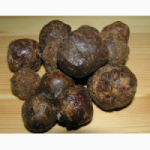
In appearance, propolis has a plastic, resinous mass with a heterogeneous structure. The color can be different: from light brown to dark brown with a greenish or reddish tint, depending on the place of collection. In the light of propolis, the color darkens over time. The smell is balsamic, reminiscent of the smell of incense when burning.
About 50 different compounds have been found in propolis, which can be divided into four main groups:
Plant resins (50-55%).
Balms (5-10%).
Essential oils (8-10%).(//tractor-service.com)
Wax (30%).
Propolis resins consist mainly of organic acids. Balsams include tannins and other substances. Essential oils determine the aroma and partly the taste of propolis. They are semi-solid substances of light yellow color with a strong peculiar smell and bitter taste.
Wax determines the consistency of propolis. Even in different places of the same hivequantity of wax in propolis it is different. Less ego in the propolis collected in the hive, on the walls of the hive, in the crevices. Most of all - on frames and ceilings. Most of the substances found in propolis belong to the class of flavonoids. These are very common compounds in nature, found in almost all plants. Animals, insects and microorganisms are not capable of producing them.
Propolis is widely used in folk medicine as a wound-healing, antibacterial, antifungal, and antiviral agent. The main medicinal properties of propolis:
Propolis has an immunological and antioxidant effect.
Treats diseases of the respiratory tract, is used for viral influenza, bronchial asthma, pulmonary tuberculosis.
Propolis is used for the treatment of skin diseases, heals wounds, burns, frostbite, furunculosis, eczema, chronic dermatitis.
Promotes the healing of purulent wounds, especially trophic ulcers (lower extremities), erosion of female organs.
Helps with diseases of the gastrointestinal tract, treats chronic gastritis, acute and chronic colitis, stomach and duodenal ulcers.
Propolis is used for inflammation of the middle ear.
It helps in the treatment of diseases of the mucous membranes of the nose (otitis, pharyngitis, tonsillitis, sinusitis), paranasal and oral cavities.
Strengthens and restores elasticity of vessel walls, promotes regeneration of interarticular fibers and interarticular surfaces. It contributes to the restoration of epithelial and muscle cells.
It is used in dental practice as an anesthetic agent. Helps with periodontal diseases. Propolis strengthens tooth enamel, prevents caries.
Store propolis in a closed glass container in a dark, cool place. The storage period is not limited.
All our products are on the site "Honey Poltavshchyna" (link in the contacts).
All products are on our official website"Honey Poltavshchyna"
Ad ID: #991870
(added by a registered user)
Permanent ad address:
Showed / watched for today: ?, total: ?
Similar fresh ads
Among them there are many interesting...


All Ukraine: Bees, honey and beekeeping products, equipment 859 / Products beekeeping 229 / Propolis 28
Poltava region: Bees, honey and beekeeping products, equipment 55 / Beekeeping products 20 / Propolis 4