/ Seeds, seedlings and sowing materials / Honey seeds / Mordovnik sharogolovy ( Krutai, Holovaten). размере


Продам / купить
Red-headed Mordovnik (Krutai, Holovaten) Medonos, Dnepropetrovsk region.
Region:all Ukraine,
Dnepropetrovsk region.
(Dnipro)
Mordovnik sharogolovy is one of the strongest seed honeydews.
Honey productivity. Depending on the external conditions, it can be from 600 to 1200 kg/ha.
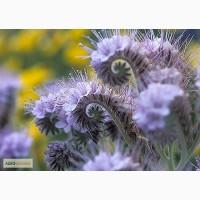
Sowing rates: 10-12 kg/ha. It is possible in a mixture withPyzhmolistny phacelia in the amount: 8 kg of phacelia and 5 kgmordovnika per 1 hectare. The depth of sowing seeds is 2-3 cm. The width of the rows is 70 cm. Sowing is usually carried out in the spring, when the surface of the soil warms up to 12°С, although it is possible to plant in the winter. Seeds are sown in dug or plowed land. In small areas, grooves or nests are made 15-25 cm apart, seeds mixed with sawdust are sown and covered with earth. For large areas, they are sown in two rows, 30-75 cm apart from each other, with the help of a cultivator, and then rolled up.Since the seeds are covered with hairs and stick to each other, it is easier to sow by hand. When sowing, it is recommended to apply fertilizers such as superphosphate, 50 kg/ha. The more organic fertilizer is applied, the greater the growth of honeydew, but with strong acidification of the soil, the development of Mordovannya decreases. The best fertilizers will be manure, compost, sapropel.
Important! Instead of fertilized, you can sow mordovnik with phacelia, in a ratio of 8:5, this annual plant enriches the soil with nitrogen, grows quickly and is also a honey plant. Germination of this honey plant is high, so even simple scattering of seeds will bring results.
Crop care. Soil moisture should be average, water stagnation should be avoided. After the plants have fully grown, they are thinned out and transplanted where necessary. It is possible to cultivate between rows to a depth of about 7 cm and weed weeds.
Care features. Almost any soil is perfect for him, with the exception of swampy, wet areas where there is a threat of root rot. Ego can be planted on any uncultivated areas near the apiary, on the slopes of ravines, among bushes, on meadows, forest glades and other inconveniences. To achieve greater honey yield, it is advisable to choose calcareous black soil or well-fertilized clay soils. Dependent or steam fields after potatoes, corn or wheat are perfect. After flowering, the seeds are collected manually, and the stems are cut. On dry sandy soils without mowing the stems at the end of September, the mordovnik degenerates for 4-5 hours (which is due to the depletion of nutrients and lack of moisture for it). For the first hour, care is limited to periodic weeding. In the spring of the second year, it is necessary to loosen the rows to a depth of up to 10 cm. After ripening and harvesting the seeds, before the third and subsequent years, the plants are cut at a height of 5 cm. When growing on poor, clay soils, nitrogen fertilizers can be applied in the spring in the second and subsequent years.
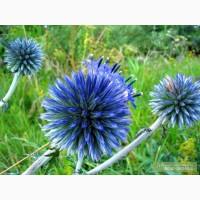
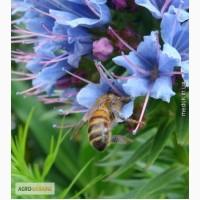
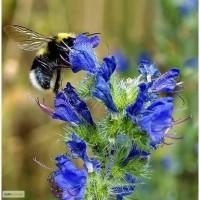
Mordovnik is a tall, up to 2 m, herbaceous plant with a straight branching stem towards the top. The root is massive, rod-shaped. The leaves are elongated, prickly, pinnately dissected. The upper part of the leaf is dark green, fluffy, the lower part is whitish, fluffy-rough. The flowers are white-blue, to blue, collected in inflorescences in the form of spiky balls, up to 5 cm in diameter. Up to 350 flowers are collected in an inflorescence, and up to 30 inflorescences grow on a stem. The fruit is an oblong, strongly elongated seed up to 8 mm, covered with hairs. The seeds are united in dense balls-inflorescences. In the first year, this plant forms a rosette of leaves up to 70 cm long. In the second year, it grows a stem that branches and flowers. This honeysuckle blooms from the beginning of July, flowering lasts up to 40 days. The flowers remain open throughout the day.
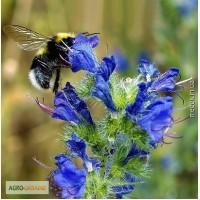
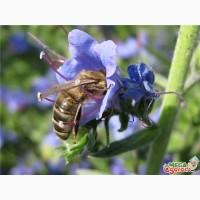
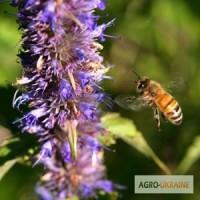
According to the timing of its flowering, Mordovnik is a honey bear of the second half of the summer. Attracting bees with an abundance of nectar and pollen (white coat), Mordovnik is generous even at a temperature of +15oC. Nectar of Mordovnica is colorless, the aroma is pleasant, spicy. In a drought, nectar yield does not stop, although it decreases to half, and with normal humidity and a temperature above 25°C, some flowers have up to 6 mg. The sugar content in nectar reaches 70%. A large inflorescence allows several bees to feed on it at the same time, and its attendance can reach 180 per hour.
If the plant is cut for green fodder at the end of May, it will bloom in mid-August and will bloom all September, which is very important for the autumn breeding of bees.
(//tractor-service.com)
Merits of the Mordovian broad-headed dog
· Mordovnika has a very high nectar productivity: on a par with small-leaved linden and the highest among common seeded honeydews - up to 1000 kg/ha.
· Mordovnik crops are able to be kept in the same place for several decades and do not require care. Over time, it displaces almost all weeds and nothing prevents it from growing and benefits bees.
· Mordovnik releases nectar at a very wide range of temperatures - from +15 to +38°C (and possibly even at lower and higher temperatures).
· Mordovnik sharogolovy is a drought-resistant honey plant and does not die even in the absence of rain for a very long time and high temperature.
· Honey from Mordovnik does not crystallize for a very long time and is ideal for wintering bees.
· Blooms for 25-45 days in July-September, depending on the climate of the region.
Mordovnik favorably differs from other common honeybees due to its flowering time, nectar productivity, drought resistance, as well as low costs for obtaining 1 kg of honey.
Mordovnik is valued as a fodder crop. The leaves of the basal rosette are soft and tender, they are used for green fodder and mowed two or three times a summer. Cattle willingly eat it, especially ground. The last slope can be used for silage. To increase the yield of green mass, mixed crops are created with legumes (clover, dogwood) or annual grasses, crops with which give more than 1000 cents of green mass. Feeding a dairy herd with such feed contributes to an increase in the fat content of milk.
Therefore, if you want to guarantee your apiary with a plentiful honey harvest for several years, regardless of the region, sow Mordovnik sharogolovy. In this way, you will make an unusually pleasant gift to your bees, because this honeydew has a beneficial effect on their health. Details: https://medoray.top/p911957919-mordovnik-sharogolovyj-krutaj.html. #979791
Honey productivity. Depending on the external conditions, it can be from 600 to 1200 kg/ha.
Sowing rates: 10-12 kg/ha. It is possible in a mixture withPyzhmolistny phacelia in the amount: 8 kg of phacelia and 5 kgmordovnika per 1 hectare. The depth of sowing seeds is 2-3 cm. The width of the rows is 70 cm. Sowing is usually carried out in the spring, when the surface of the soil warms up to 12°С, although it is possible to plant in the winter. Seeds are sown in dug or plowed land. In small areas, grooves or nests are made 15-25 cm apart, seeds mixed with sawdust are sown and covered with earth. For large areas, they are sown in two rows, 30-75 cm apart from each other, with the help of a cultivator, and then rolled up.Since the seeds are covered with hairs and stick to each other, it is easier to sow by hand. When sowing, it is recommended to apply fertilizers such as superphosphate, 50 kg/ha. The more organic fertilizer is applied, the greater the growth of honeydew, but with strong acidification of the soil, the development of Mordovannya decreases. The best fertilizers will be manure, compost, sapropel.
Important! Instead of fertilized, you can sow mordovnik with phacelia, in a ratio of 8:5, this annual plant enriches the soil with nitrogen, grows quickly and is also a honey plant. Germination of this honey plant is high, so even simple scattering of seeds will bring results.
Crop care. Soil moisture should be average, water stagnation should be avoided. After the plants have fully grown, they are thinned out and transplanted where necessary. It is possible to cultivate between rows to a depth of about 7 cm and weed weeds.
Care features. Almost any soil is perfect for him, with the exception of swampy, wet areas where there is a threat of root rot. Ego can be planted on any uncultivated areas near the apiary, on the slopes of ravines, among bushes, on meadows, forest glades and other inconveniences. To achieve greater honey yield, it is advisable to choose calcareous black soil or well-fertilized clay soils. Dependent or steam fields after potatoes, corn or wheat are perfect. After flowering, the seeds are collected manually, and the stems are cut. On dry sandy soils without mowing the stems at the end of September, the mordovnik degenerates for 4-5 hours (which is due to the depletion of nutrients and lack of moisture for it). For the first hour, care is limited to periodic weeding. In the spring of the second year, it is necessary to loosen the rows to a depth of up to 10 cm. After ripening and harvesting the seeds, before the third and subsequent years, the plants are cut at a height of 5 cm. When growing on poor, clay soils, nitrogen fertilizers can be applied in the spring in the second and subsequent years.
Mordovnik is a tall, up to 2 m, herbaceous plant with a straight branching stem towards the top. The root is massive, rod-shaped. The leaves are elongated, prickly, pinnately dissected. The upper part of the leaf is dark green, fluffy, the lower part is whitish, fluffy-rough. The flowers are white-blue, to blue, collected in inflorescences in the form of spiky balls, up to 5 cm in diameter. Up to 350 flowers are collected in an inflorescence, and up to 30 inflorescences grow on a stem. The fruit is an oblong, strongly elongated seed up to 8 mm, covered with hairs. The seeds are united in dense balls-inflorescences. In the first year, this plant forms a rosette of leaves up to 70 cm long. In the second year, it grows a stem that branches and flowers. This honeysuckle blooms from the beginning of July, flowering lasts up to 40 days. The flowers remain open throughout the day.
According to the timing of its flowering, Mordovnik is a honey bear of the second half of the summer. Attracting bees with an abundance of nectar and pollen (white coat), Mordovnik is generous even at a temperature of +15oC. Nectar of Mordovnica is colorless, the aroma is pleasant, spicy. In a drought, nectar yield does not stop, although it decreases to half, and with normal humidity and a temperature above 25°C, some flowers have up to 6 mg. The sugar content in nectar reaches 70%. A large inflorescence allows several bees to feed on it at the same time, and its attendance can reach 180 per hour.
If the plant is cut for green fodder at the end of May, it will bloom in mid-August and will bloom all September, which is very important for the autumn breeding of bees.
(//tractor-service.com)
Merits of the Mordovian broad-headed dog
· Mordovnika has a very high nectar productivity: on a par with small-leaved linden and the highest among common seeded honeydews - up to 1000 kg/ha.
· Mordovnik crops are able to be kept in the same place for several decades and do not require care. Over time, it displaces almost all weeds and nothing prevents it from growing and benefits bees.
· Mordovnik releases nectar at a very wide range of temperatures - from +15 to +38°C (and possibly even at lower and higher temperatures).
· Mordovnik sharogolovy is a drought-resistant honey plant and does not die even in the absence of rain for a very long time and high temperature.
· Honey from Mordovnik does not crystallize for a very long time and is ideal for wintering bees.
· Blooms for 25-45 days in July-September, depending on the climate of the region.
Mordovnik favorably differs from other common honeybees due to its flowering time, nectar productivity, drought resistance, as well as low costs for obtaining 1 kg of honey.
Mordovnik is valued as a fodder crop. The leaves of the basal rosette are soft and tender, they are used for green fodder and mowed two or three times a summer. Cattle willingly eat it, especially ground. The last slope can be used for silage. To increase the yield of green mass, mixed crops are created with legumes (clover, dogwood) or annual grasses, crops with which give more than 1000 cents of green mass. Feeding a dairy herd with such feed contributes to an increase in the fat content of milk.
Therefore, if you want to guarantee your apiary with a plentiful honey harvest for several years, regardless of the region, sow Mordovnik sharogolovy. In this way, you will make an unusually pleasant gift to your bees, because this honeydew has a beneficial effect on their health. Details: https://medoray.top/p911957919-mordovnik-sharogolovyj-krutaj.html. #979791
ID объявления: #979791
(added by a registered user)
Permanent ad address:
Showed / watched for today: ?, total: ?
Similar fresh ads
Among them there are many interesting...