

Продам / купить
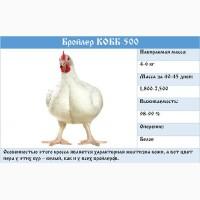
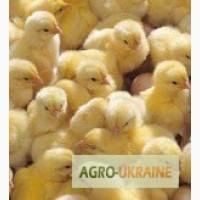
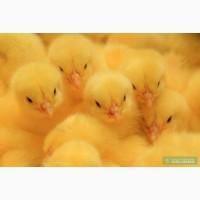
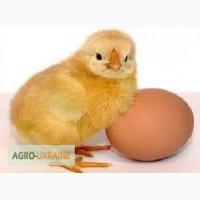
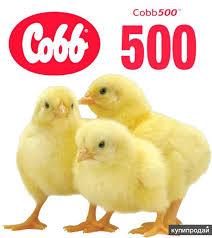
Incubation eggs of broilers KOBB 500, ROSS 308. Hungary, Ukraine. Always available, Kyiv region.
Region:all Ukraine,
Kyiv region.
(Ovidiopol)
Eggs always available!
We also sell universal fermentation non-replaceable litter and multibiotics, probiotics. Bacteria for hen house, pig house and cowshed, processes manure of any animals, emits heat and eliminates odor.
We guarantee the service life of the fermentation litter for at least 3 years, subject to operating conditions.
The composition of the litter layer:
Wood sawdust, shavings or their mixture. Partial (no more than 50%) use of seed and buckwheat hulls is allowed. It is advisable to use dry and crumbly bedding material, as high humidity negatively affects the work of bacteria.
The thickness of the litter layer: 144
От 20 до 40 см в зависимости от вида и веса животного / birds (see the table of placement on the square).
Table of density of animal accommodation.
During operation, it is necessary to maintain a constant thickness of the litter layer by adding sawdust (only sawdust, not bacteria).
Temperature regime:
A positive temperature of the litter layer (above 0°C) is required for successful start-up of the fermentation litter, which can be achieved both by pre-heating the room and by introducing the animals to the fermentation litter in advance. In the future, the heat released by the bacteria will be sufficient to heat the biologically fermented litter.
Ventilation:
In the process of operation, the fermentation litter evaporates moisture from itself. In order to avoid the appearance of condensate on the surfaces of the room, it is necessary to provide air exchange (ventilation). We advise you to use forced electric supply / exhaust devices. Remember, the optimal humidity in the room is 60%.
Starting fermentation litter:
Evenly treat the surface with powder from the bag and thoroughly mix the enzyme litter for uniform distribution of bacteria throughout the thickness of the litter material. To speed up the start, you can add a little manure or grain,compound feed and also mix it over the entire area.
Our website: www.kupieco.com(//tractor-service.com)
Fermentation bedding care:
Bacteria in the fermentation bed are living microorganisms and their vital activity requires nutrition and oxygen. Manure, droppings and urine of animals must enter the bio litter constantly. Interruptions in the use of warm bedding for more than 15 days are fraught with bacteria stopping their work and going into hibernation. With long breaks in the use of the fermentation litter, it is necessary to "feed" the bacteria with the excrement of other animals, leftover food, grain, urea, etc.
In order to aerate the bacterial litter, for access of oxygen to the lower layers, it is necessary to regularly dig or loosen the biological litter. On average, once every 3-4 days. The main thing is that it will prevent the formation of a dense crust on the surface of the deep bacterial litter.
Storage conditions:
Store in a dry place at room temperature.
Avoid high humidity. Store in a place inaccessible to children.
The shelf life is unlimited under the conditions of storage.
Composition: saccharomyces cerevisiae; candida utilis, trichoderma longibrachiatum, candida lipolytica, lactobacillus acidophilus, bacillus subtilis, lactobacillus plantarum, enterococcus faecali, aspergilus orizae, aspergilus niger.
Yeast Saccharomyces cerevisiae is a non-pathogenic unicellular micro-organism, which in many respects is a eukaryotic analogue of E.coli.
Candida utilis Trichosporon cutaneum, which oxidizes numerous organic compounds, including some toxic ones (for example, phenol), plays an important role in aerobic wastewater treatment.
The strain of the mycelial fungus Trichoderma longibrachiatum is a producer of cellulases, beta-glucanases and xylanases.
The strain of lactobacillus acidophilus bacteria produces the ability to actively colonize the mucous membrane of the digestive tract and large intestine; preservation of normal intestinal biocenosis; resistance to the effect of magnetic fields on survival and preservation of active biochemical properties.
The bacillus subtilis bacteria strain provides restoration of soil microbiocenoses and the gastrointestinal tract of animals, has bactericidal, fungicidal and virulicidal activity.
Lactobacillus plantarum (Lactobacteria plantarum) is a widespread type of gram-positive anaerobic non-spore-forming lactic acid bacteria.
Lactobacillus plantarum has a significant effect on gram-positive and gram-negative bacteria.
Enterococcus faecalis (fecal enterococcus) - enterococci, used in the food industry, where the ability of enterococci to hydrolyze lactose, ferment milk, and effectively suppress pathogenic bacteria is used.
Biomass of the fungus Aspergillus oryzne is a source of proteins, amino acids, lipids and carbohydrates.
Aspergillus niger (black mold): black, fast-growing colonies that produce penicillic acid, which is a mycotoxin. It is a fat-splitter. In biotechnology, Aspergillus niger is used for the production of organic acids and enzymes.
We also sell universal fermentation non-replaceable litter and multibiotics, probiotics. Bacteria for hen house, pig house and cowshed, processes manure of any animals, emits heat and eliminates odor.
We guarantee the service life of the fermentation litter for at least 3 years, subject to operating conditions.
The composition of the litter layer:
Wood sawdust, shavings or their mixture. Partial (no more than 50%) use of seed and buckwheat hulls is allowed. It is advisable to use dry and crumbly bedding material, as high humidity negatively affects the work of bacteria.
The thickness of the litter layer: 144
От 20 до 40 см в зависимости от вида и веса животного / birds (see the table of placement on the square).
Table of density of animal accommodation.
During operation, it is necessary to maintain a constant thickness of the litter layer by adding sawdust (only sawdust, not bacteria).
Temperature regime:
A positive temperature of the litter layer (above 0°C) is required for successful start-up of the fermentation litter, which can be achieved both by pre-heating the room and by introducing the animals to the fermentation litter in advance. In the future, the heat released by the bacteria will be sufficient to heat the biologically fermented litter.
Ventilation:
In the process of operation, the fermentation litter evaporates moisture from itself. In order to avoid the appearance of condensate on the surfaces of the room, it is necessary to provide air exchange (ventilation). We advise you to use forced electric supply / exhaust devices. Remember, the optimal humidity in the room is 60%.
Starting fermentation litter:
Evenly treat the surface with powder from the bag and thoroughly mix the enzyme litter for uniform distribution of bacteria throughout the thickness of the litter material. To speed up the start, you can add a little manure or grain,compound feed and also mix it over the entire area.
Our website: www.kupieco.com(//tractor-service.com)
Fermentation bedding care:
Bacteria in the fermentation bed are living microorganisms and their vital activity requires nutrition and oxygen. Manure, droppings and urine of animals must enter the bio litter constantly. Interruptions in the use of warm bedding for more than 15 days are fraught with bacteria stopping their work and going into hibernation. With long breaks in the use of the fermentation litter, it is necessary to "feed" the bacteria with the excrement of other animals, leftover food, grain, urea, etc.
In order to aerate the bacterial litter, for access of oxygen to the lower layers, it is necessary to regularly dig or loosen the biological litter. On average, once every 3-4 days. The main thing is that it will prevent the formation of a dense crust on the surface of the deep bacterial litter.
Storage conditions:
Store in a dry place at room temperature.
Avoid high humidity. Store in a place inaccessible to children.
The shelf life is unlimited under the conditions of storage.
Composition: saccharomyces cerevisiae; candida utilis, trichoderma longibrachiatum, candida lipolytica, lactobacillus acidophilus, bacillus subtilis, lactobacillus plantarum, enterococcus faecali, aspergilus orizae, aspergilus niger.
Yeast Saccharomyces cerevisiae is a non-pathogenic unicellular micro-organism, which in many respects is a eukaryotic analogue of E.coli.
Candida utilis Trichosporon cutaneum, which oxidizes numerous organic compounds, including some toxic ones (for example, phenol), plays an important role in aerobic wastewater treatment.
The strain of the mycelial fungus Trichoderma longibrachiatum is a producer of cellulases, beta-glucanases and xylanases.
The strain of lactobacillus acidophilus bacteria produces the ability to actively colonize the mucous membrane of the digestive tract and large intestine; preservation of normal intestinal biocenosis; resistance to the effect of magnetic fields on survival and preservation of active biochemical properties.
The bacillus subtilis bacteria strain provides restoration of soil microbiocenoses and the gastrointestinal tract of animals, has bactericidal, fungicidal and virulicidal activity.
Lactobacillus plantarum (Lactobacteria plantarum) is a widespread type of gram-positive anaerobic non-spore-forming lactic acid bacteria.
Lactobacillus plantarum has a significant effect on gram-positive and gram-negative bacteria.
Enterococcus faecalis (fecal enterococcus) - enterococci, used in the food industry, where the ability of enterococci to hydrolyze lactose, ferment milk, and effectively suppress pathogenic bacteria is used.
Biomass of the fungus Aspergillus oryzne is a source of proteins, amino acids, lipids and carbohydrates.
Aspergillus niger (black mold): black, fast-growing colonies that produce penicillic acid, which is a mycotoxin. It is a fat-splitter. In biotechnology, Aspergillus niger is used for the production of organic acids and enzymes.
Ad ID: #958409
(added by registered user)
Permanent ad address:
Showed / watched for today: ?, total: ?
Similar fresh ads
Among them there are many interesting...