/ Feeds, compound feed, supplements / Various feeds, compound feed, supplements + in assortment / Probiotic to increase the egg production of chickens...


Sell / buy
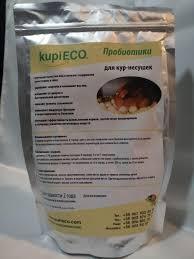
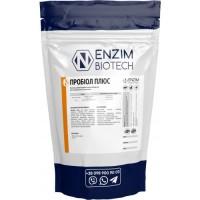
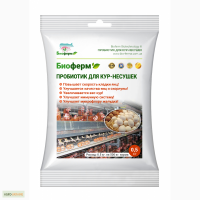
Probiotic for increasing the egg production of chickens + hatching broiler eggs, Odessa region.
Region:all of Ukraine,
Odessa region.
(Odessa)
LAZY - don't read! I recommend it only to owners with a creative streak.
Probiotics and fermentation litter - save your time on care, clean healthy air in animal housing, increase immunity (there is no need for waterings, means to expel helminths), excellent health of pets, increase in egg production and weight of birds, strengthening of the shell. Detailed consultations - by phone.
Something about the heroic health of your pets. Our website: www.kupieco.com
Modern poultry farming is developing very quickly, and those indicators of productivity that seemed to be the limit of possibility 10 years ago are now achieved in most poultry farms. Obtaining high economic indicators and using the genetic potential of poultry to the fullest extent is possible only with a good level of feeding, strict observance of veterinary and sanitary measures and scientifically based programs for the use of medicinal products. Non-fulfillment of mandatory zoo-veterinary technology, rapid increase in muscle mass of broilers and disproportionate weight loss of internal organs leads to weakening of immunity and reduction of general resistance of the bird. Against this background, there are prerequisites for the activation of conditionally pathogenic microflora.
In the industrial system of poultry farming, there is an intensive accumulation of microflora, both indoors and in the environment. Eating granulated feed, animals, in closed rooms, are completely deprived of contact with natural donors of normal microorganisms available in nature (soil, insects, plants), which leads to early colonization of the intestines of newborn animals with enterobacteria and the slowing down of colonization processes of the intestinal wall with normal microflora - lactic acid bacteria, bifidobacteria and enterococci. The microflora of the environment has a direct influence on the intestinal microflora, especially in the first 7-10 days of a chicken's life. The state of the intestinal microflora is closely related to the state of the macroorganism.
A unique product for your smaller friends! Food probiotics are a complex of lactic acid bacteria, bifidobacteria and metabolites of these bacteria, such as amino acids, organic acids and somatomedins, which improve the digestion of animals and birds, which leads to an improvement in the quality of eggs and the frequency of laying in birds, an increase in milk production in horses, goats and cows, rapid weight gain in broilers, piglets and calves, a reduction in mortality and morbidity, increasing the activity of digestive enzymes, immunity and the ability of heads to digestfeed.
PROBIOTICS - A NATURAL ALTERNATIVE TO ANTIBIOTICS
There is no analogue in the CIS, more than 10 types of useful bacteria, enzymes, vitamins, amino acids, etc.
Application:
For all poultry and livestock
Proven effects:
-Improving feed conversion ratio. This product uses beneficial microbes to suppress harmful bacteria, effectively balances the intestinal flora of livestock and poultry, improves the microecological environment of the intestine, prevents the growth and reproduction of salmonella and pathogenic Escherichia coli, reduces the smell of ammonia nitrogen in excrement, and improves the nutritional environment.
— High acid resistance, in an environment with a pH of less than 3.5, its bacterial evaporation is more than 97%.
— The metabolite of this product can disrupt the proliferation of the intestinal mucosa, restore the intestinal mucosa and only stick to the intestinal mucosa, but does not damage the cells themselves, improves the growth of microbial bacterial colonies in the intestinal tract of animals, such as bifidobacteria and lactic acid bacteria, shows antagonism and inhibits the proliferation of harmful bacteria in the intestinal tract, corrects intestinal disorders flora, prevents and cures intestinal diseases, such as diarrhea, bacterial enteritis, etc.
— Prevents endogenous infection or double infection, especially has a good suppressive effect for diarrhea in piglets and lambs, eliminates constipation in sows. Also, the cost of the product is much lower than a traditional fodder antibiotic.
— Nutritional support of feed. The product can multiply and be absorbed in full in the intestinal tract of animals and produce abundant proteases and lipases, improve the digestibility of fat and protein for animals. It can be a carrier of an amino acid, carrying the entire amino acid without decomposition. Therefore, it improves the growth of animals and effectively covers the lack of nutrition in the feed.
— Improvement of immunity. Long-term use of this product can improve non-specific immunity, farrowing speed in livestock and egg production in poultry, improve the quality of meat, eggs and milk.
— Acceleration of growth and improvement of meat quality. This product can improve the palatability of feed, reduce feed consumption and accelerate daily growth, increase the efficiency of feed use, reduce the ratio of feed to meat, improve the quality of livestock and poultry, and reduce cholesterol.
— High stability and environmental friendliness. The strains selected for this product have the advantage of high stability and resistance to loads, heat resistance, acid resistance, bile resistance.
— They are still viable after passing through the digestive tract and are characterized as no pollution, no residues, no pollution of the environment.
Main composition:
Bacillus subtilis, plant lactobacillus and bacillus licheniformis, condensation rods, butyric acid bacteria, various useful bacteria, highly active enzymes, necessary vitamins for the growth of livestock and poultry, amino acids, trace ingredients, etc.
Currently, all over the world, the search for alternative ways to replace antibiotics in animal husbandry is intensively conducted. Probiotics are one of these directions.
Probiotics are a biomass of bacteria in vegetative or spore form with clearly expressed antagonistic activity to pathogenic and conditionally pathogenic microflora, have a beneficial effect on the organism, both animal and human.
The use of probiotics in feeding and veterinary medicine allows:
• to increase the economic efficiency of the work of livestock enterprises;
• significantly improve the epizootic and ecological situation in the areas of livestock production;
• to obtain high-quality products, free from salmonellosis, antibiotics, chemotherapeutic drugs, traces of disinfectants, for the system of healthy nutrition of the population.(//tractor-service.com)
Modern industrial technologies for the cultivation of agricultural animals and poultry presuppose the extensive use of antibiotics.
They are used not only for the treatment and prevention of various diseases of bacterial etiology, but also as effectivefeed additives, stimulating the growth and development of young animals, increasing safety and productivity.
When they are used, the economy and competitiveness of the production of meat, milk, eggs and other livestock products are significantly improved, and farms receive considerable additional profit.
This causes increased interest and non-alternative use of antibiotics on the part of agribusiness, managers and specialists of livestock enterprises.
At the same time, due to the constant, and in some cases, non-systematic use of antibiotics in animal husbandry, the effectiveness of their effect on the body drops noticeably, since pathogenic and conditionally pathogenic bacteria have the property of developing resistance to them over a certain period of time - habituation occurs.
Negative processes develop in animals' bodies — the number of useful intestinal microflora decreases. As a result, medical and preventive measures with the use of antibiotics do not allow to ensure the safety of animals.
Excessive or incorrect use of antibiotics in animal husbandry inevitably leads to their accumulation in exceedingly permissible amounts in basic food products, creating a threat to human health, causing dysbiosis, allergies, reducing immunity, causing oncological diseases, leading to the body's habituation to antibiotics.
This is especially dangerous for children whose immune system is not yet fully formed, as well as for the elderly and people suffering from chronic diseases.
The antibiotic is a miracle of medicine, which allowed to extend human life up to 80 years. But its incorrect, too frequent use leads to huge problems. A habituation effect is produced, due to which the human body does not react to antibiotics as to drugs.
Bacteria appear, the causative agents of new diseases, which require the creation of new antibiotics.
According to the WHO, about 700,000 people die annually from resistance in the world. Человек, including in the countries of the European Union — more than 25 thousand. Человек Infections caused by antibiotic-resistant bacteria kill them. Experts' forecasts are disappointing: by 2030, the problem will acquire a global scale.
The need to solve the problems of production of ecologically clean, safe and tasty products of increased demand for the population opens up a great prospect in the use of probiotics in animal husbandry.
The correct use of probiotics in animal husbandry gives a high economic effect.
The resulting product does not contain final amounts of antibiotics, sulfonamides, and chlorine-containing drugs. The product is safe and more useful for the population, is in high demand and is sold more expensively.
THE CHOICE IS YOURS!!!!!!
Probiotic for broilers
Probiotics for Laying Hens
Probiotics for sows
Probiotics for fattening pigs
For piglets up to 3 months.
Probiotics for turkeys
Probiotic for ducks and geese
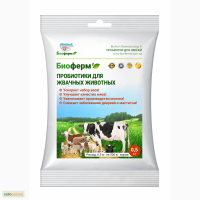
Probiotics for fattening cattle and dairy cattle
Probiotics for dairy animals
Probiotics for rabbits
Probiotics for horses Probiotics for animals with valuable fur
Probiotics for quail-nests
Probiotics for meat quail
Probiotics and fermentation litter - save your time on care, clean healthy air in animal housing, increase immunity (there is no need for waterings, means to expel helminths), excellent health of pets, increase in egg production and weight of birds, strengthening of the shell. Detailed consultations - by phone.
Something about the heroic health of your pets. Our website: www.kupieco.com
Modern poultry farming is developing very quickly, and those indicators of productivity that seemed to be the limit of possibility 10 years ago are now achieved in most poultry farms. Obtaining high economic indicators and using the genetic potential of poultry to the fullest extent is possible only with a good level of feeding, strict observance of veterinary and sanitary measures and scientifically based programs for the use of medicinal products. Non-fulfillment of mandatory zoo-veterinary technology, rapid increase in muscle mass of broilers and disproportionate weight loss of internal organs leads to weakening of immunity and reduction of general resistance of the bird. Against this background, there are prerequisites for the activation of conditionally pathogenic microflora.
In the industrial system of poultry farming, there is an intensive accumulation of microflora, both indoors and in the environment. Eating granulated feed, animals, in closed rooms, are completely deprived of contact with natural donors of normal microorganisms available in nature (soil, insects, plants), which leads to early colonization of the intestines of newborn animals with enterobacteria and the slowing down of colonization processes of the intestinal wall with normal microflora - lactic acid bacteria, bifidobacteria and enterococci. The microflora of the environment has a direct influence on the intestinal microflora, especially in the first 7-10 days of a chicken's life. The state of the intestinal microflora is closely related to the state of the macroorganism.
A unique product for your smaller friends! Food probiotics are a complex of lactic acid bacteria, bifidobacteria and metabolites of these bacteria, such as amino acids, organic acids and somatomedins, which improve the digestion of animals and birds, which leads to an improvement in the quality of eggs and the frequency of laying in birds, an increase in milk production in horses, goats and cows, rapid weight gain in broilers, piglets and calves, a reduction in mortality and morbidity, increasing the activity of digestive enzymes, immunity and the ability of heads to digestfeed.
PROBIOTICS - A NATURAL ALTERNATIVE TO ANTIBIOTICS
There is no analogue in the CIS, more than 10 types of useful bacteria, enzymes, vitamins, amino acids, etc.
Application:
For all poultry and livestock
Proven effects:
-Improving feed conversion ratio. This product uses beneficial microbes to suppress harmful bacteria, effectively balances the intestinal flora of livestock and poultry, improves the microecological environment of the intestine, prevents the growth and reproduction of salmonella and pathogenic Escherichia coli, reduces the smell of ammonia nitrogen in excrement, and improves the nutritional environment.
— High acid resistance, in an environment with a pH of less than 3.5, its bacterial evaporation is more than 97%.
— The metabolite of this product can disrupt the proliferation of the intestinal mucosa, restore the intestinal mucosa and only stick to the intestinal mucosa, but does not damage the cells themselves, improves the growth of microbial bacterial colonies in the intestinal tract of animals, such as bifidobacteria and lactic acid bacteria, shows antagonism and inhibits the proliferation of harmful bacteria in the intestinal tract, corrects intestinal disorders flora, prevents and cures intestinal diseases, such as diarrhea, bacterial enteritis, etc.
— Prevents endogenous infection or double infection, especially has a good suppressive effect for diarrhea in piglets and lambs, eliminates constipation in sows. Also, the cost of the product is much lower than a traditional fodder antibiotic.
— Nutritional support of feed. The product can multiply and be absorbed in full in the intestinal tract of animals and produce abundant proteases and lipases, improve the digestibility of fat and protein for animals. It can be a carrier of an amino acid, carrying the entire amino acid without decomposition. Therefore, it improves the growth of animals and effectively covers the lack of nutrition in the feed.
— Improvement of immunity. Long-term use of this product can improve non-specific immunity, farrowing speed in livestock and egg production in poultry, improve the quality of meat, eggs and milk.
— Acceleration of growth and improvement of meat quality. This product can improve the palatability of feed, reduce feed consumption and accelerate daily growth, increase the efficiency of feed use, reduce the ratio of feed to meat, improve the quality of livestock and poultry, and reduce cholesterol.
— High stability and environmental friendliness. The strains selected for this product have the advantage of high stability and resistance to loads, heat resistance, acid resistance, bile resistance.
— They are still viable after passing through the digestive tract and are characterized as no pollution, no residues, no pollution of the environment.
Main composition:
Bacillus subtilis, plant lactobacillus and bacillus licheniformis, condensation rods, butyric acid bacteria, various useful bacteria, highly active enzymes, necessary vitamins for the growth of livestock and poultry, amino acids, trace ingredients, etc.
Currently, all over the world, the search for alternative ways to replace antibiotics in animal husbandry is intensively conducted. Probiotics are one of these directions.
Probiotics are a biomass of bacteria in vegetative or spore form with clearly expressed antagonistic activity to pathogenic and conditionally pathogenic microflora, have a beneficial effect on the organism, both animal and human.
The use of probiotics in feeding and veterinary medicine allows:
• to increase the economic efficiency of the work of livestock enterprises;
• significantly improve the epizootic and ecological situation in the areas of livestock production;
• to obtain high-quality products, free from salmonellosis, antibiotics, chemotherapeutic drugs, traces of disinfectants, for the system of healthy nutrition of the population.(//tractor-service.com)
Modern industrial technologies for the cultivation of agricultural animals and poultry presuppose the extensive use of antibiotics.
They are used not only for the treatment and prevention of various diseases of bacterial etiology, but also as effectivefeed additives, stimulating the growth and development of young animals, increasing safety and productivity.
When they are used, the economy and competitiveness of the production of meat, milk, eggs and other livestock products are significantly improved, and farms receive considerable additional profit.
This causes increased interest and non-alternative use of antibiotics on the part of agribusiness, managers and specialists of livestock enterprises.
At the same time, due to the constant, and in some cases, non-systematic use of antibiotics in animal husbandry, the effectiveness of their effect on the body drops noticeably, since pathogenic and conditionally pathogenic bacteria have the property of developing resistance to them over a certain period of time - habituation occurs.
Negative processes develop in animals' bodies — the number of useful intestinal microflora decreases. As a result, medical and preventive measures with the use of antibiotics do not allow to ensure the safety of animals.
Excessive or incorrect use of antibiotics in animal husbandry inevitably leads to their accumulation in exceedingly permissible amounts in basic food products, creating a threat to human health, causing dysbiosis, allergies, reducing immunity, causing oncological diseases, leading to the body's habituation to antibiotics.
This is especially dangerous for children whose immune system is not yet fully formed, as well as for the elderly and people suffering from chronic diseases.
The antibiotic is a miracle of medicine, which allowed to extend human life up to 80 years. But its incorrect, too frequent use leads to huge problems. A habituation effect is produced, due to which the human body does not react to antibiotics as to drugs.
Bacteria appear, the causative agents of new diseases, which require the creation of new antibiotics.
According to the WHO, about 700,000 people die annually from resistance in the world. Человек, including in the countries of the European Union — more than 25 thousand. Человек Infections caused by antibiotic-resistant bacteria kill them. Experts' forecasts are disappointing: by 2030, the problem will acquire a global scale.
The need to solve the problems of production of ecologically clean, safe and tasty products of increased demand for the population opens up a great prospect in the use of probiotics in animal husbandry.
The correct use of probiotics in animal husbandry gives a high economic effect.
The resulting product does not contain final amounts of antibiotics, sulfonamides, and chlorine-containing drugs. The product is safe and more useful for the population, is in high demand and is sold more expensively.
THE CHOICE IS YOURS!!!!!!
Probiotic for broilers
Probiotics for Laying Hens
Probiotics for sows
Probiotics for fattening pigs
For piglets up to 3 months.
Probiotics for turkeys
Probiotic for ducks and geese
Probiotics for fattening cattle and dairy cattle
Probiotics for dairy animals
Probiotics for rabbits
Probiotics for horses Probiotics for animals with valuable fur
Probiotics for quail-nests
Probiotics for meat quail
Ad ID: #957991
(added by a registered user)
Permanent ad address:
Showed / watched for today: ?, total: ?
Similar fresh ads
Among them there are many interesting...

All Ukraine: Forage, compound feed, additives 910 / Various feeds, compound feed, additives + in assortment 245
Odessa region: Feed, compound feed, additives 57 / Various feeds, mixed feeds, additives + in assortment 8