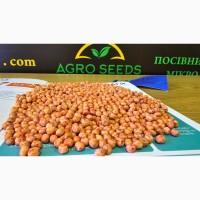
For sale / buy
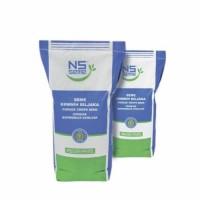
Winter pea seeds MOROZ Serbia, Kharkiv region.
Region:all of Ukraine,
Kharkov region.
Updated:
Appointment grains: Seed material
Quantity: 100 tons
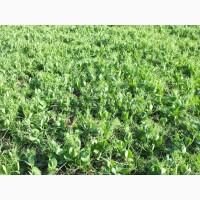
NS Moroz Serbian winter variety of proteinpeas, intended for grain production. The variety was created by the method of selection of a hybrid population. Ultra early ripening, yield potential from 4 to 6.2 t/ha, erect plant, weight of 1000 seeds from 180 to 200 grams, pods from 10 to 14 per plant, round grain, light cream to light green color, protein content 23-25%. They harvest in June.
NS Moroz first Serbian winter variety of protein pea, intended for grain production. The variety was created by the "pedigree" method of selection from a hybrid population.
Very early variety, uniform ripening. Excellent tolerates low temperatures. In terms of resistance to low temperatures in the conditions of Serbia, this variety is on a par with winter wheat. Plants are of limited growth, 60-80 cm tall, with frequent knots in the lower part of the stem, which increases tolerance to lying. The plants are branched and have two stems on average.
The variety NS-Moroz has a type of aphylla leaf (mustachioed), which allows plants to be tied at the early stages of growth and development, so that sowing remains easy until harvesting itself. This allows for easier harvesting and a significant reduction in grain loss during harvest.
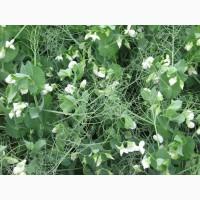
The flower is white. The pods are located in the upper part of the stem, which also significantly reduces losses during mechanized harvesting. The number of pods per plant varies between 10 and 14. The grain is round in shape, light cream to light green in color.
The variety is ultra early-ripening, harvesting is carried out ten days before harvesting winter barley, on average from June 10 to 15. The grain yield reaches between 4.0 and 6.2 t/ha.
The mass of a thousand seeds is 180-200 g. The average content of raw proteins in the grain is 23-25%.
After harvesting,pea seeds, given the very low percentage of anti-nutritive substances in the seeds, do not need to be thermally treated, but only properly stored in warehouses, and used in the matter of all species and categories of domestic animals, as an excellent supplement to soybean meal.
Description
Ripeness type: very early variety, uniform ripening. Excellent tolerates frosts. In Serbia, this variety is on par with winter wheat. Plants are 60-80 cm tall, with frequent knots in the lower part of the stem, which increases tolerance to lying. The plants are branched and have two stems on average.
The variety NS Moroz has an aphylla leaf type (whiskeyed), which allows the binding of plants at the early stages of growth and development, so that the sowing remains undisturbed until the harvest itself. This allows for easier harvesting and a significant reduction in grain loss during harvest.
The flower is white. The pods are located in the upper part of the stem, which also significantly reduces losses during mechanized harvesting. The number of pods per plant varies between 10 and 14. The grain is round in shape, light cream to light green in color.
The variety is ultra early-ripening, harvesting is carried out ten days before the harvesting of winter barley, on average from June 10 to 15. The grain yield reaches between 4.0 and 6.2 t/ha.
The mass of a thousand seeds is 180-200 g. The average content of raw proteins in the grain is 23-25%.
After harvesting, pea seeds, given the very low percentage of antinutritional substances in the seeds, do not need to be thermally treated, but only properly stored in warehouses, and used in the feeding of all species and categories of domestic animals, as an excellent supplement to soybean meal.
Technology of winter protein pea seed production
Crop rotation Peas require cultivation in crop rotation and monoculture cultivation is not suitable for it. Under monoculture conditions, the number of pea weevils increases significantly, which negatively affects the yield and quality of seeds. Peas can be sown on the same plot only after 3 years. Good precursors for peas are grain and fallow crops, such as early maturing hybrids of corn, potatoes, and sunflower. Peas are a different precursor for most field crops than other legumes.
Requirements for land. The best results are achieved on moderately deep and fertile soil, well supplied with moisture. The plot, which is intended for the production of peas, should be flat, not weedy, and free from the destructive effects of erosion and watered. Areas with weeds, Cirsium arvense, are particularly unfavorable for growing peas.
The most favorable reactions of the soil solution for growing peas are between pH 6.8 and 7.4.
Soil treatment.
The main processing is carried out either in autumn plowing or by disking to a depth of 20 to 25 cm. Then make it sown.
pre-sowing preparation to a depth of 8 to 10 cm (1-2 times) by the harvester.
The land after primary treatment and pre-sowing preparation should be.
chipped and well aligned. Thus, the negative ones are reduced
the consequences caused by the preference of peas for lying down are better.
harvesting is carried out and the loss of seeds decreases.
Fertilizer The basis of fodder pea nitrogen supply is symbiosis, i.e.
Nitrogen fixation formed by bacteria Rhizobium leguminosarum BV. viciae.
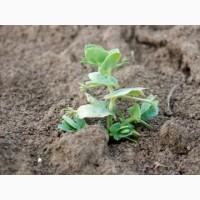
Peas only in the early stages of development require the presence of nitrogen in an accessible form in the soil surface, since tuber formation occurs two days after emergence.
Framework quantities for pea fertilization are 40-50 kg ha -1 of active nitrogen substances, 80-100 kg ha -1 P 2 O 5 and 70-90 kg ha -1 K 2 O. The exact amount is determined by creating an analysis of soil fertility. The whole amount of phosphorus and potassium is provided before plowing, and nitrogen in pre-sowing preparation.
Sowing(//tractor-service.com)
Peas should be sown, if possible, 7-10 days earlier.
winter wheat. In the agro-ecological conditions of Serbia, the optimal period for sowing peas is from September 20 to October 10.
Seeding density: The optimal seeding density for the NS Moroz variety should be 110-120 plants/m 2 . Sowing should be done with seed drills with a row spacing of 12.5 cm. The sowing depth should be 3-5 cm. Taking into account the mass of 1000 seeds, the necessary sowing density and the consumer value of seeds, the sowing rate is 200 kg/ha.
After sowing, it is necessary to roll so that the contact between the seeds and the soil is better, the flowering is uniform, the sowing is evenly developed and the harvesting is done better. Rolling should not occur on heavy, clay soils.
Care measures.
During the growing season, special attention should be paid to protecting crops from weeds, diseases and pests.
Protection against weeds is carried out mainly with soil and contact herbicides.
After sowing and before emergence, the use of herbicides is recommended:
Stomp 330 + Gezagard (3.5+1.5-2 l/ha) is the best in terms of efficiency
Dual Gold 960 EC + Gezagard (1.5+1.5-2 l/ha) is the best in terms of selectivity
Frontier Optima+ Gezagard (1-1.2+1.5-2 l/ha) is the second in terms of efficiency and the third in terms of selectivity.
In the spring, when the pea plant will be about 10-15 cm high, and the weed is in the initial stage of growth, treatment is usually done with a combination of drugs based on bentazone (Basagran) and imazetapyr (Pivot 100-E), which provides protection from both broad-leaved and narrow-leaved weeds from seeds:
In spring:
Bazagran + Pivot (2 + 0.5 l/ha) or
Bazagran + Pulsar (2+ 0.6 l/ha)
In the event of the appearance of perennial narrow-leaved weeds, it is necessary to use
effective translocation herbicides, such as fusilade (Fusilade
Super), based on fluazifop-P-butyl (Fuzilad Forte 150, Agil 100, k.e., Select 120, k.e.) to the beginning of flowering phase.
In years with large amounts of precipitation, there is often a strong attack of diseases on peas, the most common of which is anthracnose (Ascochyta Pisi), powdery mildew (Peronospora viciae), and powdery mildew (Erysiphe Pisi).
Eradication of diseases is carried out by treatment with fungicide Signum 600 g / ha, together with insecticide. If there are 2 insecticide treatments, then Equation 400g/ha can be used in the second treatment.
The most dangerous pests for peas in Serbia are aphids (Aphidae) and pea weevil (Bruchus pisorum L). The destruction of these pests is mandatory!!! , regardless of damage caused by mechanization.
Treatment with a tractor sprayer is more effective in comparison with air treatment. The most effective protection against the pea weevil is implemented using a combination of organophosphorus insecticides and a pyrethroid. In Serbia, the Nurel D product (chlorpyrifos + cypermethrin) is most widely used, in the amount of 1 l/ha. Start the treatment at the beginning of flowering, during additional feeding of the weevil, before the eggs are laid in the fruit, i.e. on a newly formed pod. The air temperature during processing should not be higher than 25 C. Sometimes the processing must be repeated after 10 days. The appearance of aphids in a multi-year period is associated with the period
flight of the pea weevil, so that lice can also be destroyed with this treatment.
One of the most important care measures in pea seed production is
preservation of varietal identification. Varietal weeding is a mandatory measure in seed sowing and involves the removal of atypical plants, which mainly differ in height, leaf type or flower color.
CLEANING.
Due to frequent sowing, harvesting peas requires special attention and
represents a complex agrotechnical measure in seed production technology
peas.
Pea seeds ripen quickly. When the moisture content of the grain is about 40%, the plant still has green leaves. From this moment, the moisture content in the seeds decreases greatly and in a short time reaches 17%, when it is possible to start harvesting. The NS Moroz variety, in the agro-ecological conditions of Serbia, is ready for harvesting on average by the end of June, before the barley harvest.
Harvesting peas is done with a combine harvester with some modifications that are similar to harvestingsoybeans. Installation of the harvester requires special attention, and the cutting height must be set to 5 cm. If the cutting height is too high, the lower pods remain on the plant, and in what activities
NS Moroz first Serbian winter variety of protein pea, intended for grain production. The variety was created by the "pedigree" method of selection from a hybrid population.
Very early variety, uniform ripening. Excellent tolerates low temperatures. In terms of resistance to low temperatures in the conditions of Serbia, this variety is on a par with winter wheat. Plants are of limited growth, 60-80 cm tall, with frequent knots in the lower part of the stem, which increases tolerance to lying. The plants are branched and have two stems on average.
The variety NS-Moroz has a type of aphylla leaf (mustachioed), which allows plants to be tied at the early stages of growth and development, so that sowing remains easy until harvesting itself. This allows for easier harvesting and a significant reduction in grain loss during harvest.
The flower is white. The pods are located in the upper part of the stem, which also significantly reduces losses during mechanized harvesting. The number of pods per plant varies between 10 and 14. The grain is round in shape, light cream to light green in color.
The variety is ultra early-ripening, harvesting is carried out ten days before harvesting winter barley, on average from June 10 to 15. The grain yield reaches between 4.0 and 6.2 t/ha.
The mass of a thousand seeds is 180-200 g. The average content of raw proteins in the grain is 23-25%.
After harvesting,pea seeds, given the very low percentage of anti-nutritive substances in the seeds, do not need to be thermally treated, but only properly stored in warehouses, and used in the matter of all species and categories of domestic animals, as an excellent supplement to soybean meal.
Description
Ripeness type: very early variety, uniform ripening. Excellent tolerates frosts. In Serbia, this variety is on par with winter wheat. Plants are 60-80 cm tall, with frequent knots in the lower part of the stem, which increases tolerance to lying. The plants are branched and have two stems on average.
The variety NS Moroz has an aphylla leaf type (whiskeyed), which allows the binding of plants at the early stages of growth and development, so that the sowing remains undisturbed until the harvest itself. This allows for easier harvesting and a significant reduction in grain loss during harvest.
The flower is white. The pods are located in the upper part of the stem, which also significantly reduces losses during mechanized harvesting. The number of pods per plant varies between 10 and 14. The grain is round in shape, light cream to light green in color.
The variety is ultra early-ripening, harvesting is carried out ten days before the harvesting of winter barley, on average from June 10 to 15. The grain yield reaches between 4.0 and 6.2 t/ha.
The mass of a thousand seeds is 180-200 g. The average content of raw proteins in the grain is 23-25%.
After harvesting, pea seeds, given the very low percentage of antinutritional substances in the seeds, do not need to be thermally treated, but only properly stored in warehouses, and used in the feeding of all species and categories of domestic animals, as an excellent supplement to soybean meal.
Technology of winter protein pea seed production
Crop rotation Peas require cultivation in crop rotation and monoculture cultivation is not suitable for it. Under monoculture conditions, the number of pea weevils increases significantly, which negatively affects the yield and quality of seeds. Peas can be sown on the same plot only after 3 years. Good precursors for peas are grain and fallow crops, such as early maturing hybrids of corn, potatoes, and sunflower. Peas are a different precursor for most field crops than other legumes.
Requirements for land. The best results are achieved on moderately deep and fertile soil, well supplied with moisture. The plot, which is intended for the production of peas, should be flat, not weedy, and free from the destructive effects of erosion and watered. Areas with weeds, Cirsium arvense, are particularly unfavorable for growing peas.
The most favorable reactions of the soil solution for growing peas are between pH 6.8 and 7.4.
Soil treatment.
The main processing is carried out either in autumn plowing or by disking to a depth of 20 to 25 cm. Then make it sown.
pre-sowing preparation to a depth of 8 to 10 cm (1-2 times) by the harvester.
The land after primary treatment and pre-sowing preparation should be.
chipped and well aligned. Thus, the negative ones are reduced
the consequences caused by the preference of peas for lying down are better.
harvesting is carried out and the loss of seeds decreases.
Fertilizer The basis of fodder pea nitrogen supply is symbiosis, i.e.
Nitrogen fixation formed by bacteria Rhizobium leguminosarum BV. viciae.
Peas only in the early stages of development require the presence of nitrogen in an accessible form in the soil surface, since tuber formation occurs two days after emergence.
Framework quantities for pea fertilization are 40-50 kg ha -1 of active nitrogen substances, 80-100 kg ha -1 P 2 O 5 and 70-90 kg ha -1 K 2 O. The exact amount is determined by creating an analysis of soil fertility. The whole amount of phosphorus and potassium is provided before plowing, and nitrogen in pre-sowing preparation.
Sowing(//tractor-service.com)
Peas should be sown, if possible, 7-10 days earlier.
winter wheat. In the agro-ecological conditions of Serbia, the optimal period for sowing peas is from September 20 to October 10.
Seeding density: The optimal seeding density for the NS Moroz variety should be 110-120 plants/m 2 . Sowing should be done with seed drills with a row spacing of 12.5 cm. The sowing depth should be 3-5 cm. Taking into account the mass of 1000 seeds, the necessary sowing density and the consumer value of seeds, the sowing rate is 200 kg/ha.
After sowing, it is necessary to roll so that the contact between the seeds and the soil is better, the flowering is uniform, the sowing is evenly developed and the harvesting is done better. Rolling should not occur on heavy, clay soils.
Care measures.
During the growing season, special attention should be paid to protecting crops from weeds, diseases and pests.
Protection against weeds is carried out mainly with soil and contact herbicides.
After sowing and before emergence, the use of herbicides is recommended:
Stomp 330 + Gezagard (3.5+1.5-2 l/ha) is the best in terms of efficiency
Dual Gold 960 EC + Gezagard (1.5+1.5-2 l/ha) is the best in terms of selectivity
Frontier Optima+ Gezagard (1-1.2+1.5-2 l/ha) is the second in terms of efficiency and the third in terms of selectivity.
In the spring, when the pea plant will be about 10-15 cm high, and the weed is in the initial stage of growth, treatment is usually done with a combination of drugs based on bentazone (Basagran) and imazetapyr (Pivot 100-E), which provides protection from both broad-leaved and narrow-leaved weeds from seeds:
In spring:
Bazagran + Pivot (2 + 0.5 l/ha) or
Bazagran + Pulsar (2+ 0.6 l/ha)
In the event of the appearance of perennial narrow-leaved weeds, it is necessary to use
effective translocation herbicides, such as fusilade (Fusilade
Super), based on fluazifop-P-butyl (Fuzilad Forte 150, Agil 100, k.e., Select 120, k.e.) to the beginning of flowering phase.
In years with large amounts of precipitation, there is often a strong attack of diseases on peas, the most common of which is anthracnose (Ascochyta Pisi), powdery mildew (Peronospora viciae), and powdery mildew (Erysiphe Pisi).
Eradication of diseases is carried out by treatment with fungicide Signum 600 g / ha, together with insecticide. If there are 2 insecticide treatments, then Equation 400g/ha can be used in the second treatment.
The most dangerous pests for peas in Serbia are aphids (Aphidae) and pea weevil (Bruchus pisorum L). The destruction of these pests is mandatory!!! , regardless of damage caused by mechanization.
Treatment with a tractor sprayer is more effective in comparison with air treatment. The most effective protection against the pea weevil is implemented using a combination of organophosphorus insecticides and a pyrethroid. In Serbia, the Nurel D product (chlorpyrifos + cypermethrin) is most widely used, in the amount of 1 l/ha. Start the treatment at the beginning of flowering, during additional feeding of the weevil, before the eggs are laid in the fruit, i.e. on a newly formed pod. The air temperature during processing should not be higher than 25 C. Sometimes the processing must be repeated after 10 days. The appearance of aphids in a multi-year period is associated with the period
flight of the pea weevil, so that lice can also be destroyed with this treatment.
One of the most important care measures in pea seed production is
preservation of varietal identification. Varietal weeding is a mandatory measure in seed sowing and involves the removal of atypical plants, which mainly differ in height, leaf type or flower color.
CLEANING.
Due to frequent sowing, harvesting peas requires special attention and
represents a complex agrotechnical measure in seed production technology
peas.
Pea seeds ripen quickly. When the moisture content of the grain is about 40%, the plant still has green leaves. From this moment, the moisture content in the seeds decreases greatly and in a short time reaches 17%, when it is possible to start harvesting. The NS Moroz variety, in the agro-ecological conditions of Serbia, is ready for harvesting on average by the end of June, before the barley harvest.
Harvesting peas is done with a combine harvester with some modifications that are similar to harvestingsoybeans. Installation of the harvester requires special attention, and the cutting height must be set to 5 cm. If the cutting height is too high, the lower pods remain on the plant, and in what activities
|
Автор, контакты | |
ТОВ Хаском Трейд / отзывы, инфо. / оценка активности | |
|
Telephone:
+38(xxxxxx
show
| |
| http://www.khaskom.com.ua | |
All ads user ~599 | |
Ad ID: #936132
(added by registered user, registration date: 12-28-2016)
Added / Updated: 09-21-2026 08:15 (relevant, until: 09-21-2027)
Permanent ad address:
Showed / watched for today: ?, total: ?
Similar ads
There are many interesting ones among them...