I will sell / buy
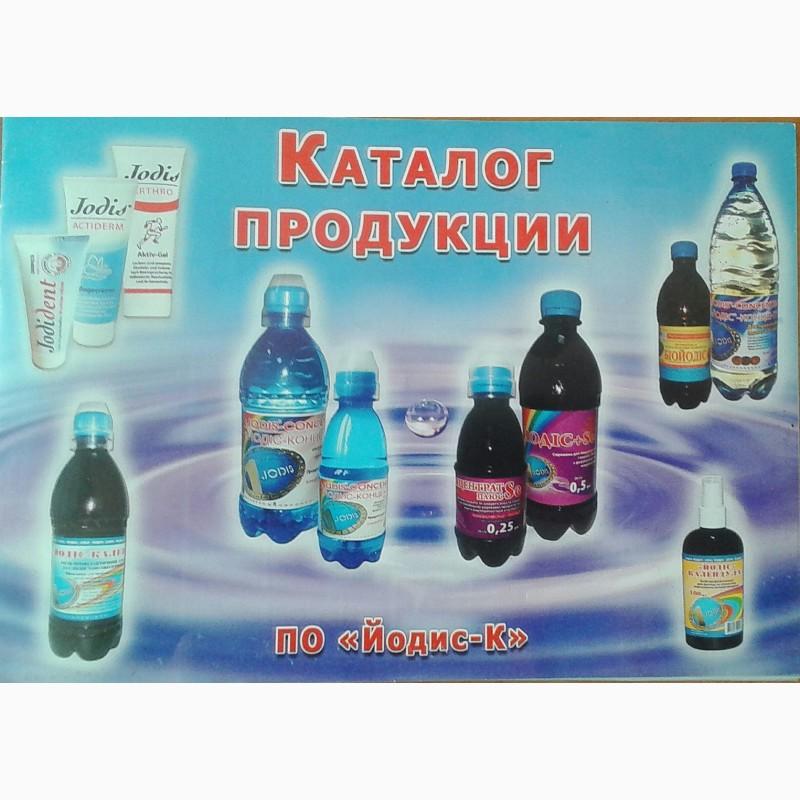
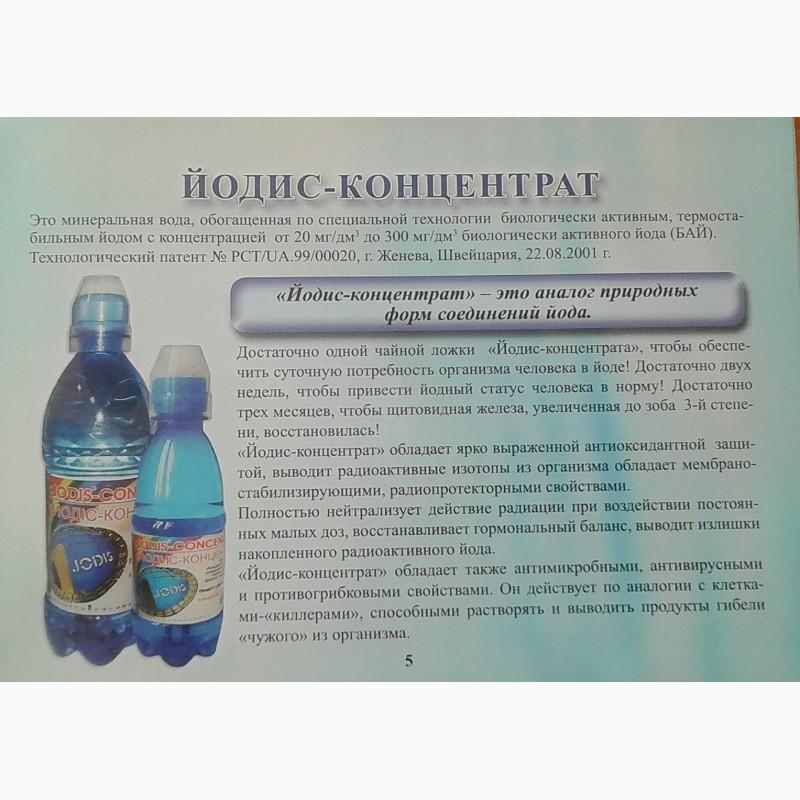
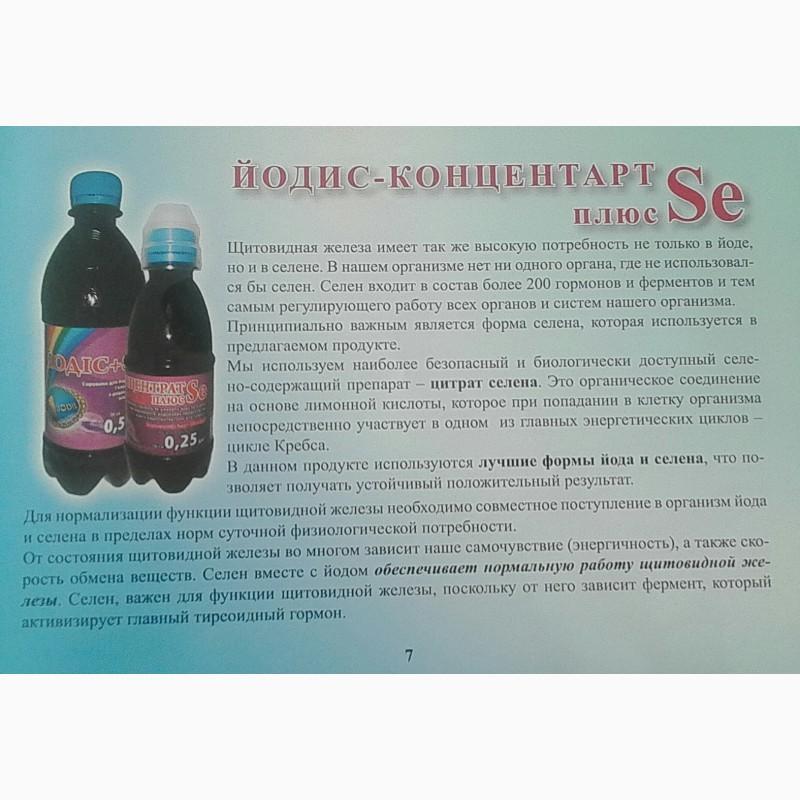
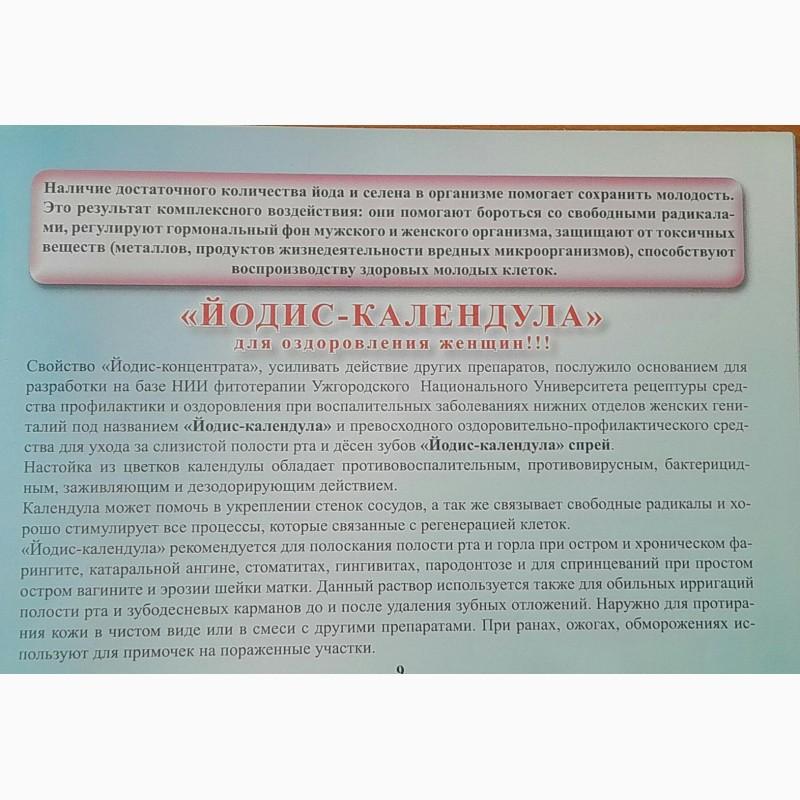
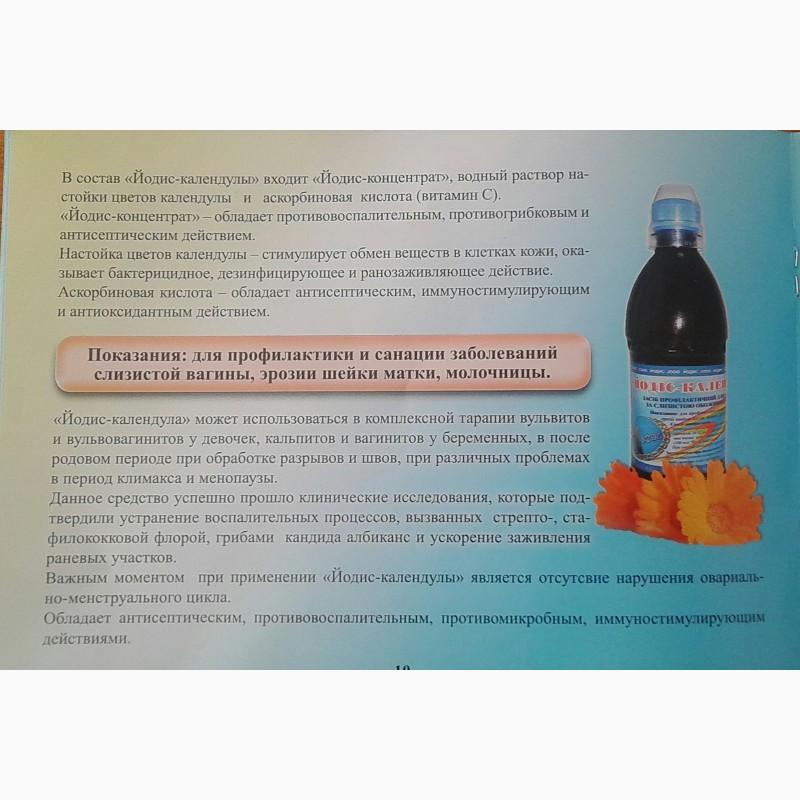
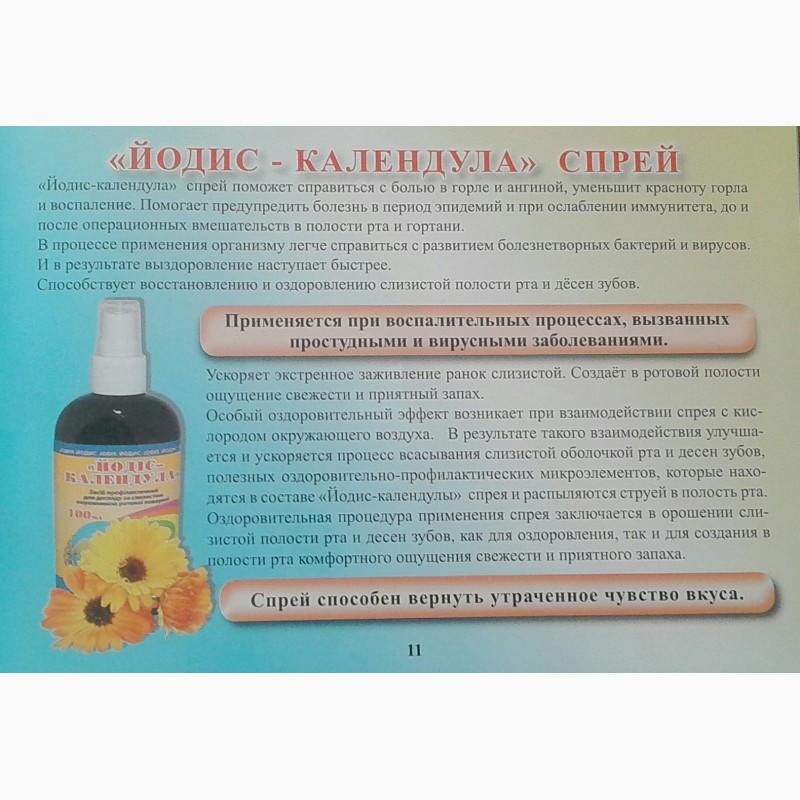
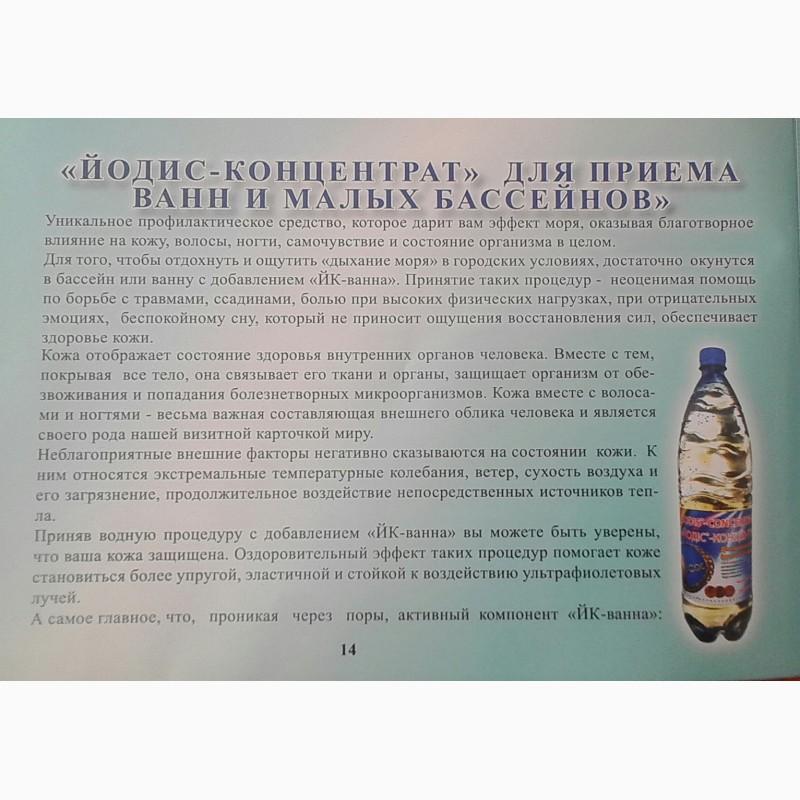
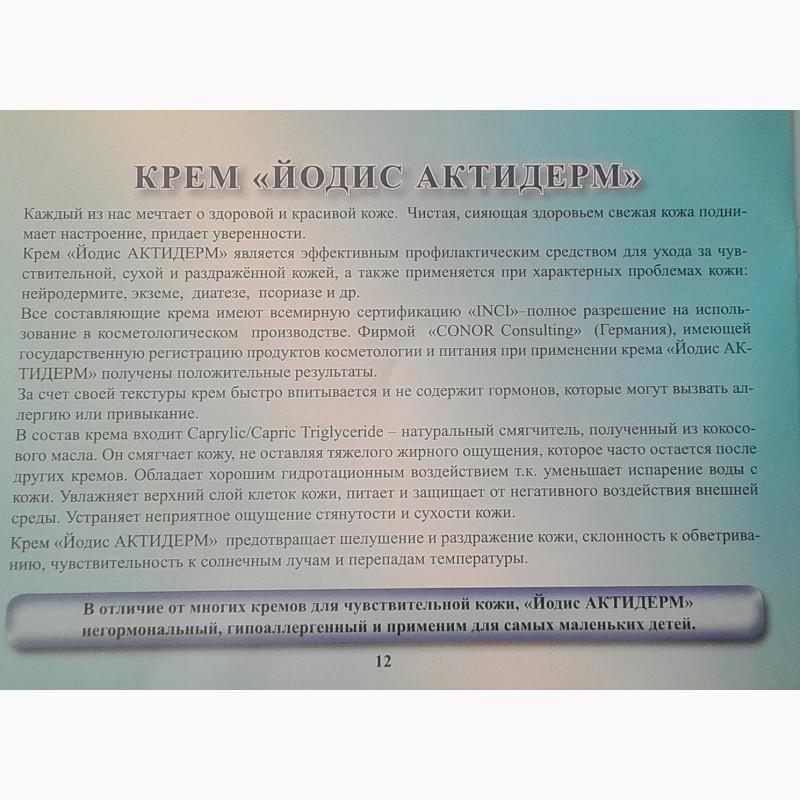
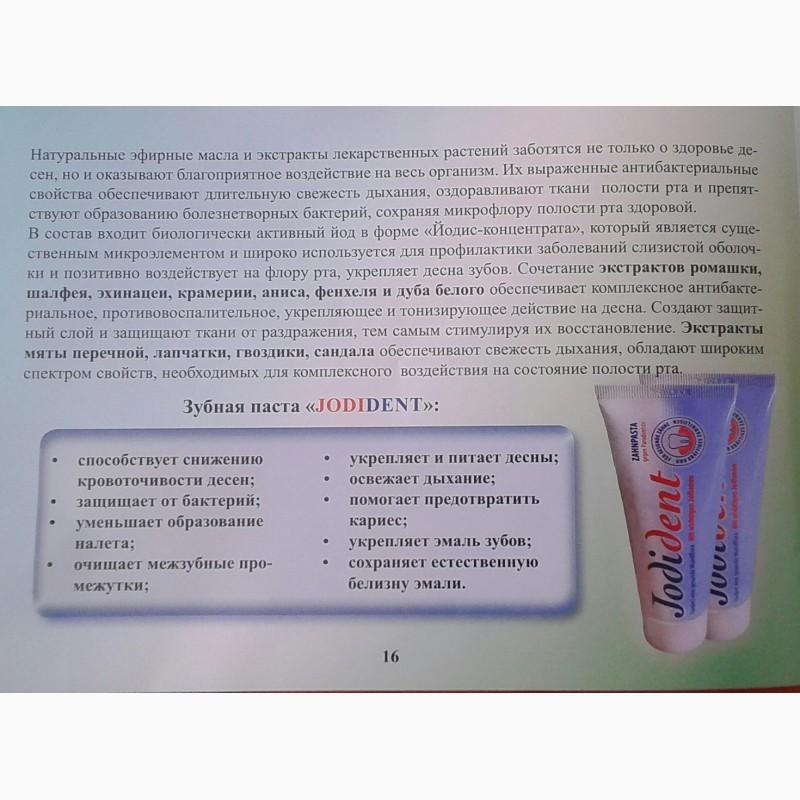
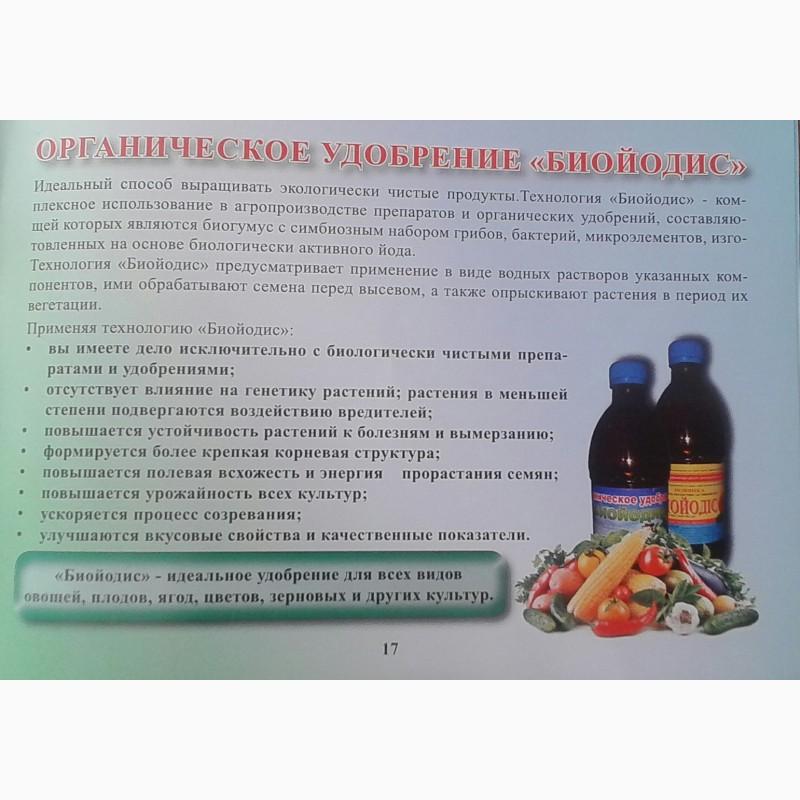
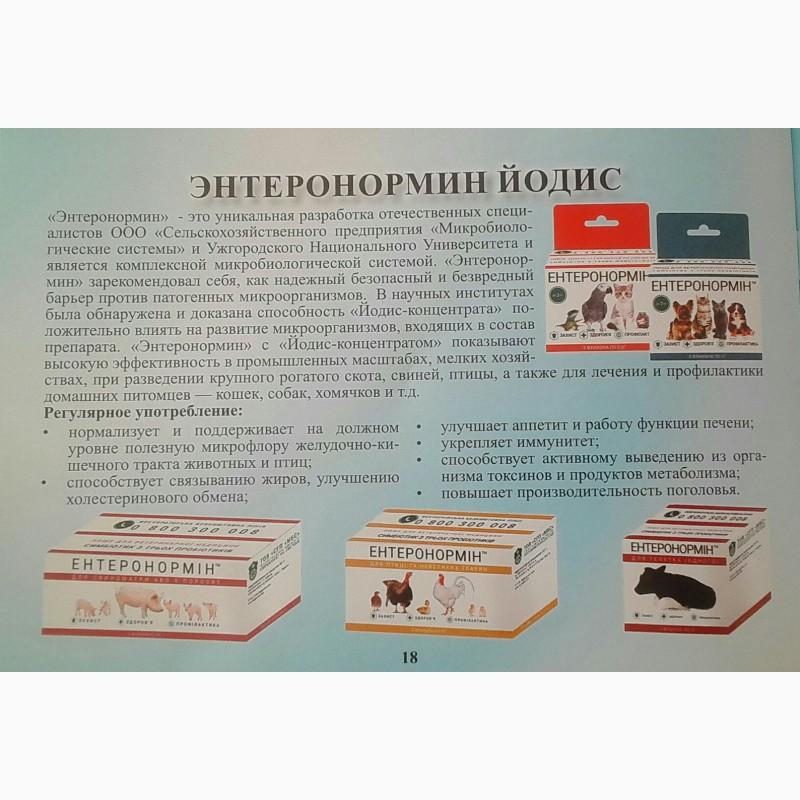
I will sell yodis from a supplier, Volyn region.
Region:all Ukraine,
Volynskaya region.
Updated:
I will sell yodis from the supplier.
What is iodine deficiency?
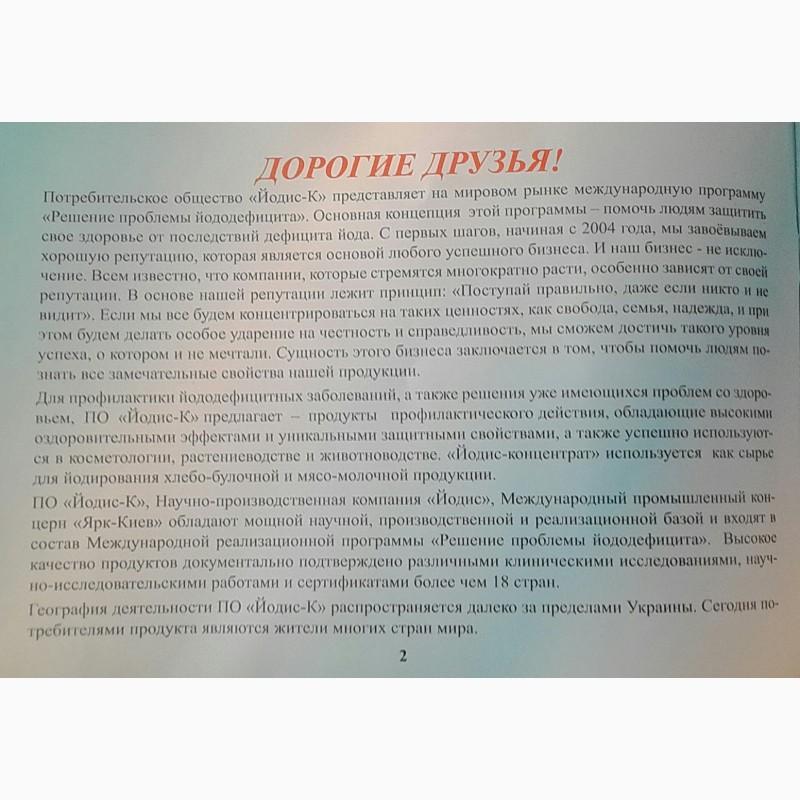
The problem of iodine deficiency has been acute throughout the ages and for all generations. The first scientific descriptions of goiter and diseases associated with iodine deficiency are found in the "Encyclopedia of Denis Diderot" (1754). It is assumed that the Neoderthals, who inhabited the European continent 30,000 years ago, suddenly died out due to impaired nutrition (iodine deficiency). The results of an examination of the bones of 300 Neoderthal skeletons stored in museums, 17 of which had signs of cretinism...
The world community considers the problem of iodine deficiency global. The UN puts it on the same level as the AIDS problem. The International Council for Iodine Deficiency Diseases, the United Nations Children's Fund (UNICEF), the World Health Organization (WHO), the International Organization for the Survival and Protection of Children, hundreds of regional and national committees, and specialized institutes are dealing with this problem.
Today, iodine deficiency is officially recognized in more than 153 countries of the world. Unfortunately, Ukraine, Russia and other European countries are no exception. Uncompensated natural iodine deficiency on a national scale forms a backward society and significantly reduces the level and quality of human life.
As you know, our body consists of almost a complete and balanced set of D. I. Mendeleev's table. At the same time, each of these elements, entering the human body and becoming a nutrient, is important in its own way for the normal functioning of both individual organs and the body as a whole. Catalytic substances are of special importance for the human body. This group includes vitamins and trace elements. As a rule, all these substances enter our body from the food we eat, the water we drink, and the air we breathe.
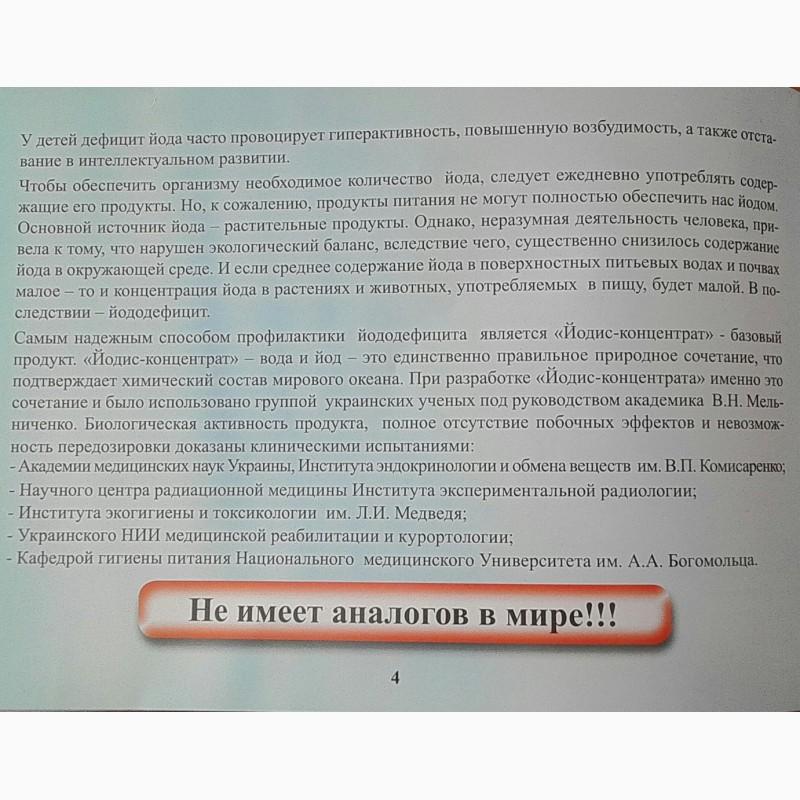
Let's look at today's ecology: constant emissions of radioactive substances into the atmosphere, mineralfertilizers and chemicalplant protection products introduced into the soil from pests, ecologically hazardous productions and the rapid growth of the number of machines. Due to these and a number of other reasons, human health is at risk. We live in the conditions of constant exposure to small doses of radiation, in the conditions of air and water pollution, the norms of which are ten times higher than the permissible limits, as well as in the conditions of unsanitary conditions and viral epidemics.
As a result, it is no longer necessary to get a sufficient amount of useful substances into the human body. We receive them little or not at all. And it is iodine deficiency (the human body does not produce iodine on its own, it only gets it from the outside) that is the main cause of various diseases and leads to very deplorable consequences for all of humanity...
Insufficient intake of iodine in the human body is called iodine deficiency.
What is the danger of iodine deficiency?
Iodine belongs to the group of essential (vitally necessary) trace elements and plays a huge role in the development and normal functioning of the human body. Iodine is recognized as an element of INTELLECT and is one of the most important, influencing the work of almost all internal organs and systems.
(//tractor-service.com)
Iodine deficiency does not have very pronounced external manifestations, which is why it was called "hidden hunger". It can be manifested by lethargy, drowsiness, rapid fatigue, forgetfulness, inability to concentrate, bad mood, low hemoglobin level, frequent colds, and the appearance of edema. These kind of hormonal disorders caused by iodine deficiency are initially imperceptible and do not bother the person in any way. But over the years, they take the form of pronounced, sometimes severe diseases and become life-threatening...
Therefore, such leading organizations as UNICEF, WHO, and the Ministry of Health strongly recommend not to ignore this problem, but for the purpose of prevention, to prevent the development of iodine deficiency diseases, to introduce daily consumption of the trace element iodine into your diet in accordance with the recommended daily norms.
What is the role of iodine for humans?
The main role of iodine in the body is to support the functioning of the thyroid gland. IODINE is an irreplaceable and unique participant in the synthesis of thyroid hormones and is a component of them. Iodine-containing hormones of the thyroid gland regulate many processes in the human body, including growth and development, as well as the intensity of the main metabolism, affect water-salt, fat, and carbohydrate metabolism.
The normal functioning of the brain, the central nervous system, and the state of the psyche depend on the content of iodine in the body: cells grow and develop, an emotional background is formed, and irritability is relieved. Iodine is the key to high mental activity.
Iodine protects against diseases of the cardiovascular system, prevents the formation of blood clots, and lowers cholesterol. It is also necessary for the regulation of the activity of the musculoskeletal system.
Without iodine, the normal functioning of the pancreas, the most important organ responsible for digestion and regulation of blood sugar, is impossible. Iodine is also important for liver function.уровня сахара в крови. Важен йод и для работы печени.
Iodine also contributes to the formation of cells necessary for our body - phagocytes, peculiar sanitary workers, which capture and destroy foreign microorganisms and damaged cells.
Iodine is necessary for the normal functioning of the reproductive system, both in women and in men.
A sufficient amount of iodine in the body of a pregnant woman helps to ensure the correct intrauterine development of the child.
Iodine is very necessary for the growth and harmonious mental and physical development of children and adolescents, it participates in the formation of bone and cartilage tissue, protein synthesis, stimulates mental abilities, improves performance and reduces fatigue.
Iodine increases the consumption of oxygen by body tissues and gives energy.
Iodine helps to cope with excess weight. The rate of fat burning depends on the sufficient amount of iodine in the body. With sufficient iodine, following a diet for weight loss gives a much greater effect.
Iodine has a beneficial effect on the condition of the skin, teeth, hair and nails.
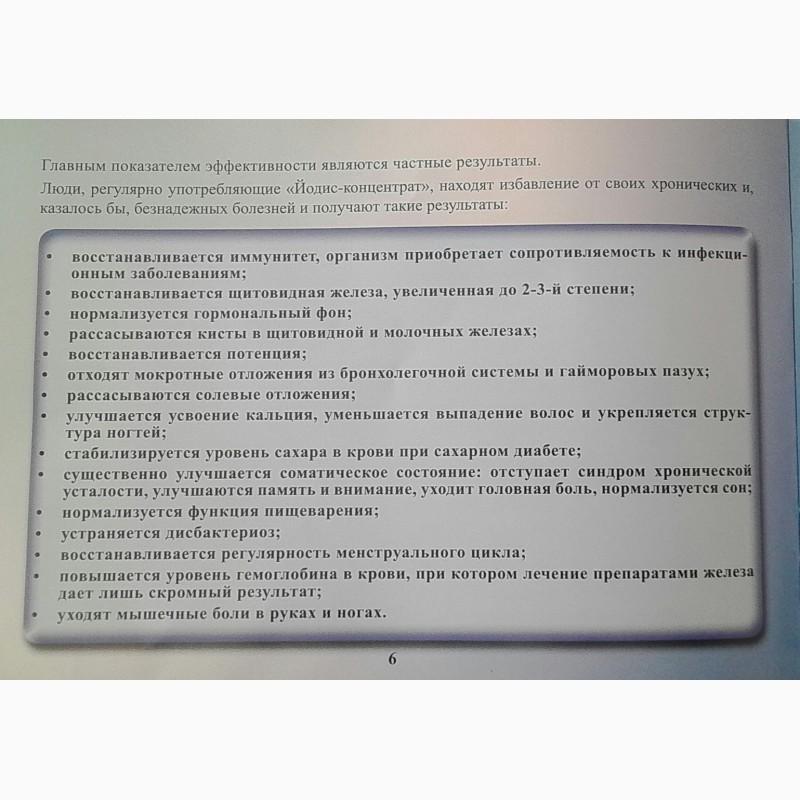
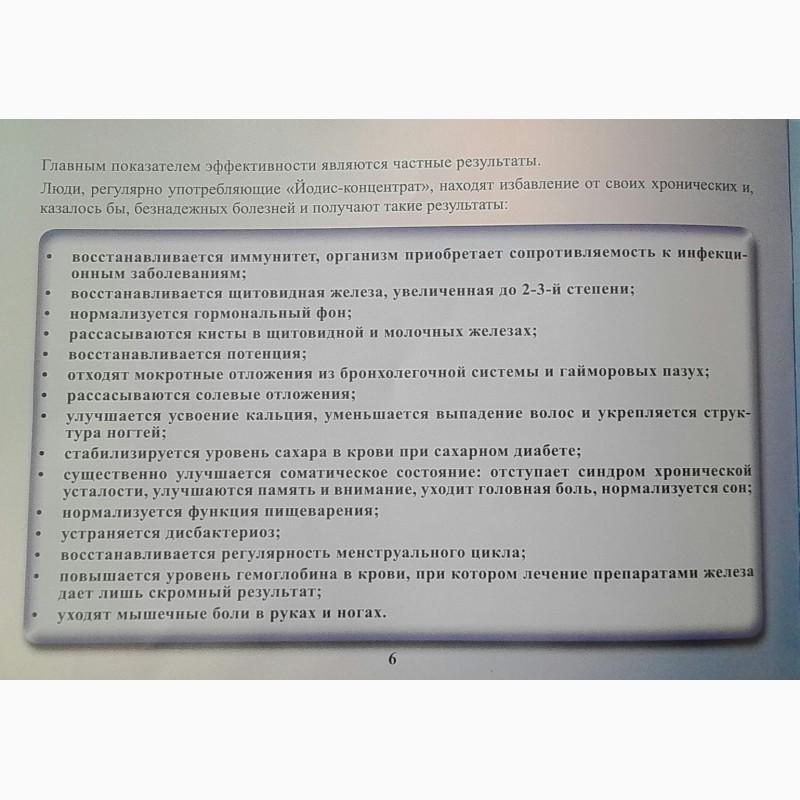
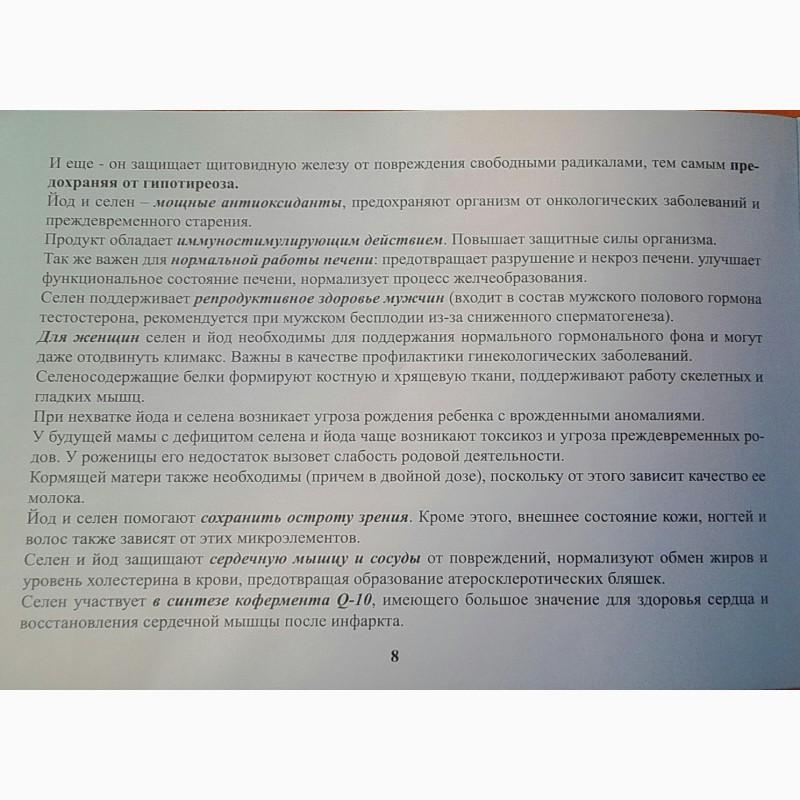
Thus, lack of iodine in the body causes:
In women of childbearing age:
infertility or failure to conceive, congenital anomalies of the fetus, death of the fetus.
Sales manager. My phone numbers +380969351156 viber +380502711484 whatsapp Alexander.
What is iodine deficiency?
The problem of iodine deficiency has been acute throughout the ages and for all generations. The first scientific descriptions of goiter and diseases associated with iodine deficiency are found in the "Encyclopedia of Denis Diderot" (1754). It is assumed that the Neoderthals, who inhabited the European continent 30,000 years ago, suddenly died out due to impaired nutrition (iodine deficiency). The results of an examination of the bones of 300 Neoderthal skeletons stored in museums, 17 of which had signs of cretinism...
The world community considers the problem of iodine deficiency global. The UN puts it on the same level as the AIDS problem. The International Council for Iodine Deficiency Diseases, the United Nations Children's Fund (UNICEF), the World Health Organization (WHO), the International Organization for the Survival and Protection of Children, hundreds of regional and national committees, and specialized institutes are dealing with this problem.
Today, iodine deficiency is officially recognized in more than 153 countries of the world. Unfortunately, Ukraine, Russia and other European countries are no exception. Uncompensated natural iodine deficiency on a national scale forms a backward society and significantly reduces the level and quality of human life.
As you know, our body consists of almost a complete and balanced set of D. I. Mendeleev's table. At the same time, each of these elements, entering the human body and becoming a nutrient, is important in its own way for the normal functioning of both individual organs and the body as a whole. Catalytic substances are of special importance for the human body. This group includes vitamins and trace elements. As a rule, all these substances enter our body from the food we eat, the water we drink, and the air we breathe.
Let's look at today's ecology: constant emissions of radioactive substances into the atmosphere, mineralfertilizers and chemicalplant protection products introduced into the soil from pests, ecologically hazardous productions and the rapid growth of the number of machines. Due to these and a number of other reasons, human health is at risk. We live in the conditions of constant exposure to small doses of radiation, in the conditions of air and water pollution, the norms of which are ten times higher than the permissible limits, as well as in the conditions of unsanitary conditions and viral epidemics.
As a result, it is no longer necessary to get a sufficient amount of useful substances into the human body. We receive them little or not at all. And it is iodine deficiency (the human body does not produce iodine on its own, it only gets it from the outside) that is the main cause of various diseases and leads to very deplorable consequences for all of humanity...
Insufficient intake of iodine in the human body is called iodine deficiency.
What is the danger of iodine deficiency?
Iodine belongs to the group of essential (vitally necessary) trace elements and plays a huge role in the development and normal functioning of the human body. Iodine is recognized as an element of INTELLECT and is one of the most important, influencing the work of almost all internal organs and systems.
(//tractor-service.com)
Iodine deficiency does not have very pronounced external manifestations, which is why it was called "hidden hunger". It can be manifested by lethargy, drowsiness, rapid fatigue, forgetfulness, inability to concentrate, bad mood, low hemoglobin level, frequent colds, and the appearance of edema. These kind of hormonal disorders caused by iodine deficiency are initially imperceptible and do not bother the person in any way. But over the years, they take the form of pronounced, sometimes severe diseases and become life-threatening...
Therefore, such leading organizations as UNICEF, WHO, and the Ministry of Health strongly recommend not to ignore this problem, but for the purpose of prevention, to prevent the development of iodine deficiency diseases, to introduce daily consumption of the trace element iodine into your diet in accordance with the recommended daily norms.
What is the role of iodine for humans?
The main role of iodine in the body is to support the functioning of the thyroid gland. IODINE is an irreplaceable and unique participant in the synthesis of thyroid hormones and is a component of them. Iodine-containing hormones of the thyroid gland regulate many processes in the human body, including growth and development, as well as the intensity of the main metabolism, affect water-salt, fat, and carbohydrate metabolism.
The normal functioning of the brain, the central nervous system, and the state of the psyche depend on the content of iodine in the body: cells grow and develop, an emotional background is formed, and irritability is relieved. Iodine is the key to high mental activity.
Iodine protects against diseases of the cardiovascular system, prevents the formation of blood clots, and lowers cholesterol. It is also necessary for the regulation of the activity of the musculoskeletal system.
Without iodine, the normal functioning of the pancreas, the most important organ responsible for digestion and regulation of blood sugar, is impossible. Iodine is also important for liver function.уровня сахара в крови. Важен йод и для работы печени.
Iodine also contributes to the formation of cells necessary for our body - phagocytes, peculiar sanitary workers, which capture and destroy foreign microorganisms and damaged cells.
Iodine is necessary for the normal functioning of the reproductive system, both in women and in men.
A sufficient amount of iodine in the body of a pregnant woman helps to ensure the correct intrauterine development of the child.
Iodine is very necessary for the growth and harmonious mental and physical development of children and adolescents, it participates in the formation of bone and cartilage tissue, protein synthesis, stimulates mental abilities, improves performance and reduces fatigue.
Iodine increases the consumption of oxygen by body tissues and gives energy.
Iodine helps to cope with excess weight. The rate of fat burning depends on the sufficient amount of iodine in the body. With sufficient iodine, following a diet for weight loss gives a much greater effect.
Iodine has a beneficial effect on the condition of the skin, teeth, hair and nails.
Thus, lack of iodine in the body causes:
In women of childbearing age:
infertility or failure to conceive, congenital anomalies of the fetus, death of the fetus.
Sales manager. My phone numbers +380969351156 viber +380502711484 whatsapp Alexander.
|
Shop, contacts | |
Alexander / feedback, info.: 24 / evaluation activities Attention! the user has manynegative reviews | |
|
Phone:
+380xxxxxx
show
| |
| Skype: potapsan | |
All user ads ~322 | |
Ad ID: #899177
(added by a registered user, registration date: 08-14-2012)
Added / Updated: 02-08-2026 21:15 (relevant, until: 02-08-2027)
Permanent ad address:
Showed / watched for today: ?, total: ?
Similar ads
Among them there are many interesting...