For sale / buy
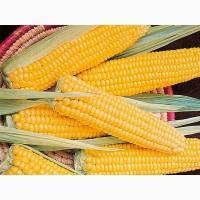
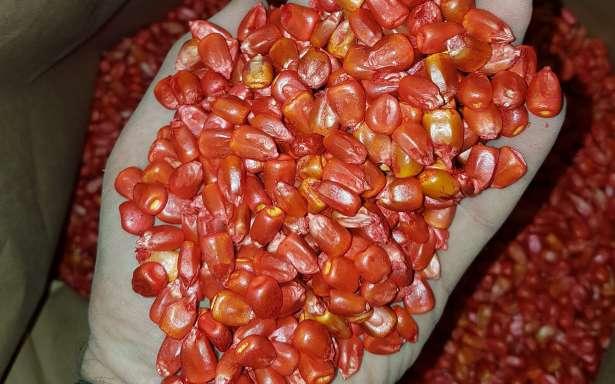
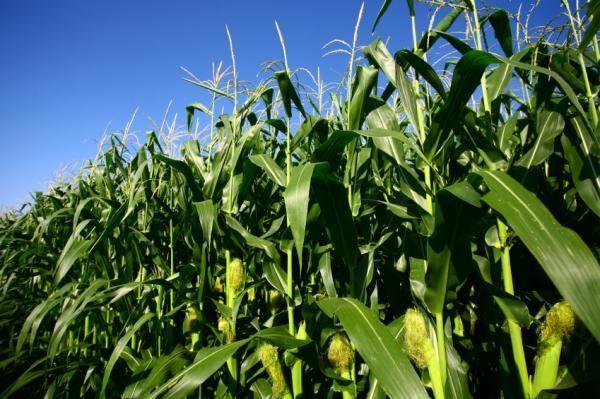
Corn seeds Canadian transgenic hybrid SEDONA corn BT 166 FAO 180, Poltava region.
Region:all of Ukraine,
Poltava region.
(Poltava city)
Grain purpose: Seed material
Quantity: 1990 tons
Canadian transgenic corn hybrid SEDONA BT 166 FAO 180
OUR WEBSITE: http://semena-cernel.com
Maize (Zea Mays) is an annual herbaceous plant of the cereal family, a grain fodder crop. Maize as a cultivated plant has been known since ancient times. For the first time, this culture began to be cultivated in South America, then Indian tribes brought it to Central America and Mexico. Maize was the main food of the Maya, Aztecs, and Incas, the Indians used not only grains for food, but also panicles, and they made soups from the pollen.
Corn was brought to Europe at the end of the 14th century, at that time it was called Indian wheat and flour was made from it. From corn grain, groats, flour, starch, alcohol, compound feed, corn germ goes into corn oil, the content of corn germs in the total mass is 20%, the yield of corn oil is 56%, corn oil is obtained by cold and hot pressing and pressing with extraction of raw materials, unrefined corn oil is recommended as an auxiliary dietary tool for the prevention and treatment of atherosclerosis, obesity, diabetes, green mass, stalks, ground corn cobs are used for silage for animal feed. In industry, cellulose, paper, furfural, lignin, xylose, and viscose are initially produced from corn stalks, their wrappers, and rods.
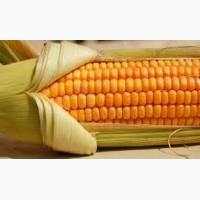
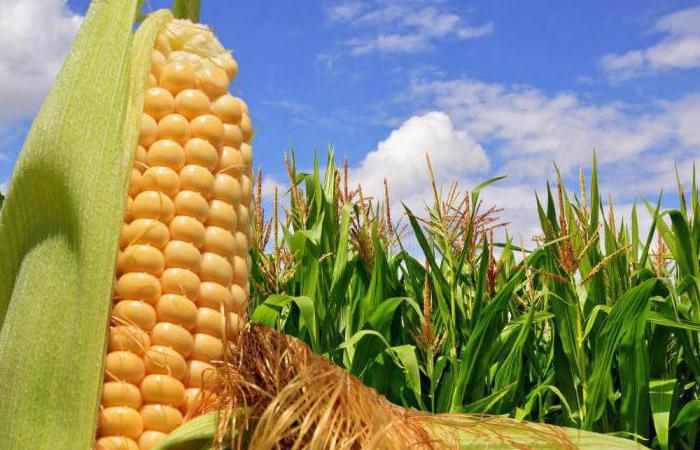
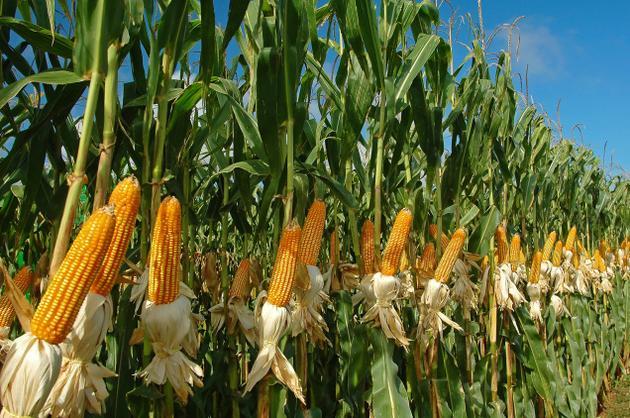
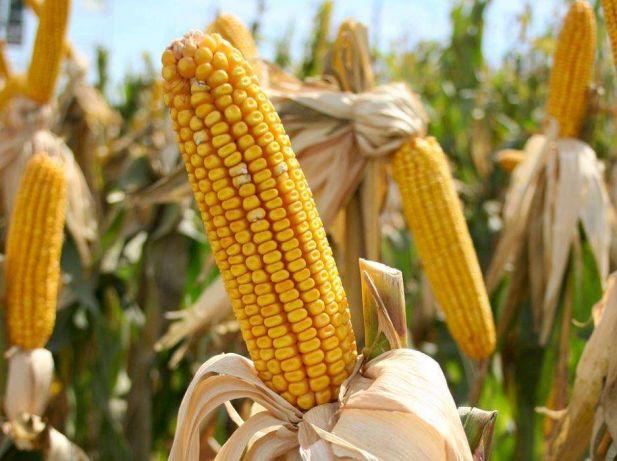
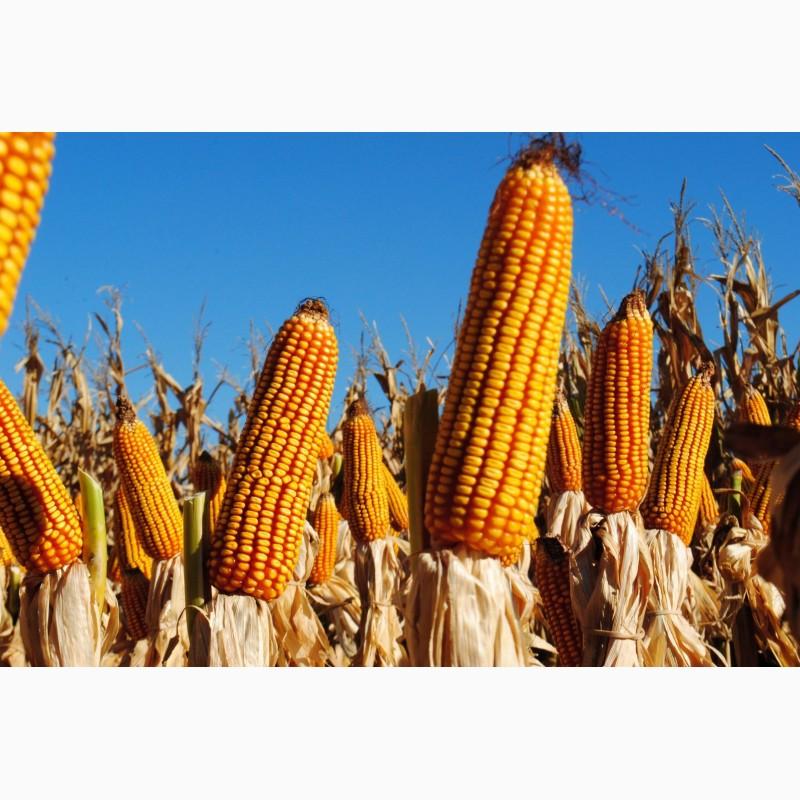
In world agriculture, corn accounts for 200 million hectares, the second place after wheat. Genetically modified corn was grown in 1997, it was one of the eleven GM crops that were grown in the world for commercial purposes. By 2009, 85% of the corn grown in the USA, Canada, Brazil, Argentina, South Africa, Spain, Portugal, France, Germany, the Czech Republic, Italy, North Africa, Chile, England, Paraguay, etc., was genetically modified. The SEDONA BT 166 transgenic corn hybrid, developed on the basis of nano technology by the well-known American chemical concern UNION CARBIDE, the Canadian SERTIS HOLDING S.A. for the countries with the most arid and unfavorable conditions for growing corn in the North and South Africa and Asia. Scientifically developed in Canada in 2017, underwent hybrid tests for drought resistance in Canada, Zambia, Tunisia, Algeria, Mauritania, Angola, Congo, Egypt, Mozambique, Tanzania, where the average tem. the air temperature was + 61 C *, in these harsh conditions it showed excellent results in yield on average of 24 tons per 1 ha in 2017-2018, and also passed hybrid tests for drought resistance in Russia in the Krasnodar region of the Rostov region, Samara region, Astrakhan region, Tajikistan, Kazakhstan, Azerbaijan, Kyrgyzstan, Turkmenistan, where the average temperature was + 58 C* he showed excellent results in terms of productivity, an average of 26 tons per 1 ha. The root system of transgenic corn is rod-shaped with a well-developed main root that penetrates the soil to a depth of 3 meters or more, corn culture is quite cold-resistant, the minimum temperature for seed germination is + 2 C*, + 3 C *. About 50% of the root system develops at a depth of up to 100 cm. Nodules with nitrogen-fixing bacteria are formed on the roots. The stem is upright up to 25 cm in diameter, without a cavity inside, the leaves are large, linear — lanceolate, up to 22 cm and 1.15 meters long, their number is 34. The length of the cob is 43 cm, the number of cobs on the stem is 4, the diameter of the cob is 33 cm in a circle, the weight of the cob is 1850 grams, the cobs are tightly surrounded by leaf-like wrappers, there are 2120 kernels on one cob, the cobs are golden, siliceous, and tooth-shaped. This corn hybrid is self-pollinating.
OUR WEBSITE: http://semena-cernel.com
A distinctive feature of the SEDONA BT 166 transgenic maize hybrid, from other common varieties and hybrids of maize:
1) It is characterized by increased drought resistance for corn + 62 C*.
2). 3) It has resistance to increased moisture content in the soil.
3) Имеет устойчивость к повышенному влагосодержанию в почве.
4) This corn hybrid is resistant to all corn diseases that affect common varieties and corn hybrids, such as (red rot of early corn, spotted root rot, mold of seeds, powdery mildew, powdery mildew, rust of corn, helminths, stem rot, fusarium wilt, fusarium wilt, dwarf mosaic virus of corn, and etc.) and is not affected by these diseases.
5) This hybrid of transgenic corn has a modified gene for resistance to all harmful insects affecting ordinary varieties and hybrids of corn such as (Hessian fly, Swedish fly, diabrotic corn beetle, broad-breasted whitefly, wireworms - 20 species, all species of scoops, aphids, caterpillars, mealybugs, Japanese beetles, locusts, thanks to the selected genes from Gram-positive spore-forming soil bacteria ( Bacillus thuringiensis ) Bt endotoxins Сry 1A, Cry1F, Cry 1Аb, Cry1Ас, Cry1Са, Cry1Fa ,
MCry3a, ECry 3, Cry1aa are globular proteins of endotoxins that cause a strong insecticidal effect against harmful insects of the Lepidoptera and Coleoptera groups and transformed into the cell structure of the maize DNA atom, which manifests itself in the fact that when it enters the intestine of an insect, the protein crystal CrT1 endotoxin dissolves in the alkaline medium of the intestinal juice and forms a toxic form that is transmitted by ionic channel, and leads to the death of harmful insect cells from the loss of homeostasis, quickly causing starvation, the release of endotoxin protein begins from the moment of crop germination and stops until the moment of full ripening of the corn, given,
endotoxin is not transformed, therefore it is harmless to all vertebrates, humans, warm-blooded animals, birds, mice.
OUR WEBSITE: http://semena-cernel.com
6) The height of the corn plants is 290 cm and the number of initial corn is 4 pieces, the initial weight is 1850 grams due to this high yield of corn.(//tractor-service.com)
7) This hybrid is resistant to soil salinization.
8 ) The grain of corn ripens evenly on the wholeplanted grain does not crack or fall off the cob, but is firmly held in the cob, thanks to this, the corn is not needed until it is fully ripened.
in desiccation, corn is harvested directly by harvesters.
9) This corn hybrid is self-pollinating.
10) It is resistant to lodging due to a strong, powerful stem, characterized by rapid moisture release. This corn hybrid was sown in 2018 in Ukraine in Odessa region, Kherson region, Chernihiv region, Kyiv region, Dnipropetrovsk region, Vinnytsia region, Zakarpattia region, the average yield of corn grain was 27 tons per hectare.
The weight of 1000 seeds is 360 grams.
The yield of the Canadian transgenic hybrid SEDONA BT — 166 is min. 270 cents, max. 280 cents. with 1 hectare.
Germination — 98%, Germination energy — 98%, Typicality — 100%, Humidity — 12%,
The norm of sowing SEDONA BT — 166 corn per 1 — hectare is 17 kg with precision seed drills or our production spot seed drills CUPN-12A ( ХТЗ-161 ) SPЧ — 6 SUPN — 8 ( MTZ 80 — 82 ) with a movement speed of the unit of 4 — 5 km per hour, and also sow corn with rows of 70 cm or s with row spacings of 45 cm, then corn is sown with beet seed drills SST — 15 B or SST — 12B or SST — 8 s.
using new seeding discs. Corn seeds are sowncorn seeds to a depth of 5 cm — 6 cm. Corn sprouts appear.
for 9-10 days after sowing.
Sowing of the Canadian corn hybrid SEDONA BT — 166 begins on March 10 and continues until May 30.
Herbicides of a wide spectrum of action: alizor — 72% k.e. dose 4.5 — 9 liters / 1 ha, lasso 48% dose 5 — 7 liters / 1ha, primekstra 50% CC 4 — 6 liters 1ha, eradikan 6 E 72% k.e. — 5-6.3 l/ 1 ha, simazine 50% s.p. — 3-4 kg/1 ha, protrazin (a mixture of atrazine — 33.3%, and promethrin — 16.7% = 50% s.p., 4 — 6 kg/ha of a long-acting herbicide, in the phase of 3-5 leaves use amine salt 2.4-D 40%VR — 1.5 — 2.5 l / 1 ha, bazagran 48% VR-2‒4l / 1 ha or Titus 0.04 kg / 1 ha + 200 ml./ 1 ha., surfactant Trend, Task 0.384 kg / 1 ha in the phase of up to 7 leaves.
Nitroammophoska fertilizers 200 kg or saltpeter 250 kg per 1 ha are applied before sowing crops, during sowing, or after sowing corn.
The vegetation period of the Canadian early hybrid corn SEDONA BT — 166 is 85 days from sowing to harvesting.
Cleaning Corn is harvested with combine harvesters Don — 1500, Don — 2000, Slavutych, Niva with the attachment PPK — 4 or ACC — 4, Franz Kleine ,
Challenger, Bizon, John Deer, Case.
Economic justification. The price for 1 ton isforage corn is 8000 UAH. Min corn is harvested from one hectare. 27 tons 8000 грн. Убирают с одного гектара кукурузы мин. 27 тон
and poppy seeds 28 tons, which is min. UAH 216,000, costs per hectare are UAH 3,900, with the use of herbicides, plowing, cultivation, diesel fuel, drying, seeds.
OUR SITE: http://semena-cernel.com
OUR WEBSITE: http://semena-cernel.com
Maize (Zea Mays) is an annual herbaceous plant of the cereal family, a grain fodder crop. Maize as a cultivated plant has been known since ancient times. For the first time, this culture began to be cultivated in South America, then Indian tribes brought it to Central America and Mexico. Maize was the main food of the Maya, Aztecs, and Incas, the Indians used not only grains for food, but also panicles, and they made soups from the pollen.
Corn was brought to Europe at the end of the 14th century, at that time it was called Indian wheat and flour was made from it. From corn grain, groats, flour, starch, alcohol, compound feed, corn germ goes into corn oil, the content of corn germs in the total mass is 20%, the yield of corn oil is 56%, corn oil is obtained by cold and hot pressing and pressing with extraction of raw materials, unrefined corn oil is recommended as an auxiliary dietary tool for the prevention and treatment of atherosclerosis, obesity, diabetes, green mass, stalks, ground corn cobs are used for silage for animal feed. In industry, cellulose, paper, furfural, lignin, xylose, and viscose are initially produced from corn stalks, their wrappers, and rods.
In world agriculture, corn accounts for 200 million hectares, the second place after wheat. Genetically modified corn was grown in 1997, it was one of the eleven GM crops that were grown in the world for commercial purposes. By 2009, 85% of the corn grown in the USA, Canada, Brazil, Argentina, South Africa, Spain, Portugal, France, Germany, the Czech Republic, Italy, North Africa, Chile, England, Paraguay, etc., was genetically modified. The SEDONA BT 166 transgenic corn hybrid, developed on the basis of nano technology by the well-known American chemical concern UNION CARBIDE, the Canadian SERTIS HOLDING S.A. for the countries with the most arid and unfavorable conditions for growing corn in the North and South Africa and Asia. Scientifically developed in Canada in 2017, underwent hybrid tests for drought resistance in Canada, Zambia, Tunisia, Algeria, Mauritania, Angola, Congo, Egypt, Mozambique, Tanzania, where the average tem. the air temperature was + 61 C *, in these harsh conditions it showed excellent results in yield on average of 24 tons per 1 ha in 2017-2018, and also passed hybrid tests for drought resistance in Russia in the Krasnodar region of the Rostov region, Samara region, Astrakhan region, Tajikistan, Kazakhstan, Azerbaijan, Kyrgyzstan, Turkmenistan, where the average temperature was + 58 C* he showed excellent results in terms of productivity, an average of 26 tons per 1 ha. The root system of transgenic corn is rod-shaped with a well-developed main root that penetrates the soil to a depth of 3 meters or more, corn culture is quite cold-resistant, the minimum temperature for seed germination is + 2 C*, + 3 C *. About 50% of the root system develops at a depth of up to 100 cm. Nodules with nitrogen-fixing bacteria are formed on the roots. The stem is upright up to 25 cm in diameter, without a cavity inside, the leaves are large, linear — lanceolate, up to 22 cm and 1.15 meters long, their number is 34. The length of the cob is 43 cm, the number of cobs on the stem is 4, the diameter of the cob is 33 cm in a circle, the weight of the cob is 1850 grams, the cobs are tightly surrounded by leaf-like wrappers, there are 2120 kernels on one cob, the cobs are golden, siliceous, and tooth-shaped. This corn hybrid is self-pollinating.
OUR WEBSITE: http://semena-cernel.com
A distinctive feature of the SEDONA BT 166 transgenic maize hybrid, from other common varieties and hybrids of maize:
1) It is characterized by increased drought resistance for corn + 62 C*.
2). 3) It has resistance to increased moisture content in the soil.
3) Имеет устойчивость к повышенному влагосодержанию в почве.
4) This corn hybrid is resistant to all corn diseases that affect common varieties and corn hybrids, such as (red rot of early corn, spotted root rot, mold of seeds, powdery mildew, powdery mildew, rust of corn, helminths, stem rot, fusarium wilt, fusarium wilt, dwarf mosaic virus of corn, and etc.) and is not affected by these diseases.
5) This hybrid of transgenic corn has a modified gene for resistance to all harmful insects affecting ordinary varieties and hybrids of corn such as (Hessian fly, Swedish fly, diabrotic corn beetle, broad-breasted whitefly, wireworms - 20 species, all species of scoops, aphids, caterpillars, mealybugs, Japanese beetles, locusts, thanks to the selected genes from Gram-positive spore-forming soil bacteria ( Bacillus thuringiensis ) Bt endotoxins Сry 1A, Cry1F, Cry 1Аb, Cry1Ас, Cry1Са, Cry1Fa ,
MCry3a, ECry 3, Cry1aa are globular proteins of endotoxins that cause a strong insecticidal effect against harmful insects of the Lepidoptera and Coleoptera groups and transformed into the cell structure of the maize DNA atom, which manifests itself in the fact that when it enters the intestine of an insect, the protein crystal CrT1 endotoxin dissolves in the alkaline medium of the intestinal juice and forms a toxic form that is transmitted by ionic channel, and leads to the death of harmful insect cells from the loss of homeostasis, quickly causing starvation, the release of endotoxin protein begins from the moment of crop germination and stops until the moment of full ripening of the corn, given,
endotoxin is not transformed, therefore it is harmless to all vertebrates, humans, warm-blooded animals, birds, mice.
OUR WEBSITE: http://semena-cernel.com
6) The height of the corn plants is 290 cm and the number of initial corn is 4 pieces, the initial weight is 1850 grams due to this high yield of corn.(//tractor-service.com)
7) This hybrid is resistant to soil salinization.
8 ) The grain of corn ripens evenly on the wholeplanted grain does not crack or fall off the cob, but is firmly held in the cob, thanks to this, the corn is not needed until it is fully ripened.
in desiccation, corn is harvested directly by harvesters.
9) This corn hybrid is self-pollinating.
10) It is resistant to lodging due to a strong, powerful stem, characterized by rapid moisture release. This corn hybrid was sown in 2018 in Ukraine in Odessa region, Kherson region, Chernihiv region, Kyiv region, Dnipropetrovsk region, Vinnytsia region, Zakarpattia region, the average yield of corn grain was 27 tons per hectare.
The weight of 1000 seeds is 360 grams.
The yield of the Canadian transgenic hybrid SEDONA BT — 166 is min. 270 cents, max. 280 cents. with 1 hectare.
Germination — 98%, Germination energy — 98%, Typicality — 100%, Humidity — 12%,
The norm of sowing SEDONA BT — 166 corn per 1 — hectare is 17 kg with precision seed drills or our production spot seed drills CUPN-12A ( ХТЗ-161 ) SPЧ — 6 SUPN — 8 ( MTZ 80 — 82 ) with a movement speed of the unit of 4 — 5 km per hour, and also sow corn with rows of 70 cm or s with row spacings of 45 cm, then corn is sown with beet seed drills SST — 15 B or SST — 12B or SST — 8 s.
using new seeding discs. Corn seeds are sowncorn seeds to a depth of 5 cm — 6 cm. Corn sprouts appear.
for 9-10 days after sowing.
Sowing of the Canadian corn hybrid SEDONA BT — 166 begins on March 10 and continues until May 30.
Herbicides of a wide spectrum of action: alizor — 72% k.e. dose 4.5 — 9 liters / 1 ha, lasso 48% dose 5 — 7 liters / 1ha, primekstra 50% CC 4 — 6 liters 1ha, eradikan 6 E 72% k.e. — 5-6.3 l/ 1 ha, simazine 50% s.p. — 3-4 kg/1 ha, protrazin (a mixture of atrazine — 33.3%, and promethrin — 16.7% = 50% s.p., 4 — 6 kg/ha of a long-acting herbicide, in the phase of 3-5 leaves use amine salt 2.4-D 40%VR — 1.5 — 2.5 l / 1 ha, bazagran 48% VR-2‒4l / 1 ha or Titus 0.04 kg / 1 ha + 200 ml./ 1 ha., surfactant Trend, Task 0.384 kg / 1 ha in the phase of up to 7 leaves.
Nitroammophoska fertilizers 200 kg or saltpeter 250 kg per 1 ha are applied before sowing crops, during sowing, or after sowing corn.
The vegetation period of the Canadian early hybrid corn SEDONA BT — 166 is 85 days from sowing to harvesting.
Cleaning Corn is harvested with combine harvesters Don — 1500, Don — 2000, Slavutych, Niva with the attachment PPK — 4 or ACC — 4, Franz Kleine ,
Challenger, Bizon, John Deer, Case.
Economic justification. The price for 1 ton isforage corn is 8000 UAH. Min corn is harvested from one hectare. 27 tons 8000 грн. Убирают с одного гектара кукурузы мин. 27 тон
and poppy seeds 28 tons, which is min. UAH 216,000, costs per hectare are UAH 3,900, with the use of herbicides, plowing, cultivation, diesel fuel, drying, seeds.
OUR SITE: http://semena-cernel.com
Ad ID: #880717
(added by a registered user)
Permanent ad address:
Showed / watched for today: ?, total: ?
Similar ads