For sale / buy
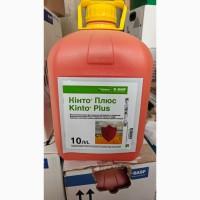
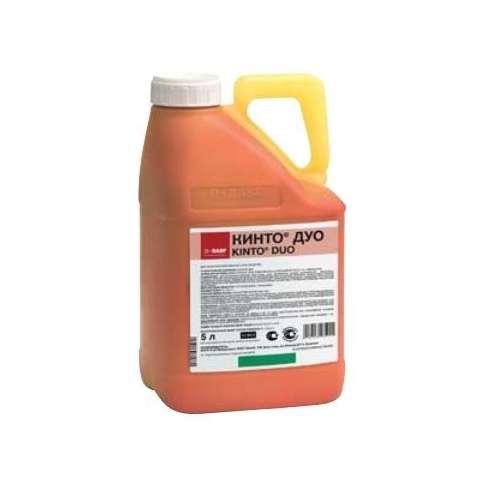
Buy Kinto Duo, Kirovohrad region.
Price14.65$
Region:all of Ukraine,
Kirovohradskaya region.
(Kropyvnytskyi)
Updated:
The predominance of grain crops in the sown areas led to low efficiency of the agrotechnical method of crop rotation as one of the parts of the integrated plant protection system. This is due to an increase in the total mass of pathogens, the causative agents of fungal diseases, which persist in the soil. The BASF company took up the solution of this problem. She presented a new product on the market - a preservative-fungicide Kinto Duo, which, in addition to the fungicidal effect on seeds, also has disinfecting effects in the soil.
Advantages of the drug
Kinto Duo effectively protectscereal crops from the majority of fungal diseases - root and root rots, head infections, molds, etc. The drug is indispensable in difficult growing conditions - with saturated crop rotations, minimal tillage and with a high risk of infection.
Thanks to the unique ability to create a disinfected area in the soil, the formation of the primary root system of the plant occurs in a safe environment, excluding damage by pathogens present in the soil. And the effective fungicidal effect with direct seed treatment ensures the health of the vegetative plant.(//tractor-service.com)
The drug has an exceptional selective approach to culture. The use of Kinto Duo has a favorable effect on seed germination, promotes healthy vegetation, increases productive tillering, the number of grains in the ear, and their mass. This guarantees a high and high-quality harvest and, accordingly, a high profit.
The mechanism of influence on pathogens
The composition of the preservative includes two active ingredients - prochloraz and triticonazole. They belong to different chemical groups (imidazoles and triazoles, respectively), differ in the mechanism of action, but in combination they can perfectly complement each other. This unique compound reliably eliminates dangerous infections that can harm the future harvest, affecting the culture at the earliest stages of growth.
Prochloraz, having a contact and translaminar mechanism of action, disinfects the surface of seeds offungi. It is also able to penetrate and disinfect the aleurone layer. After the crop germinates, many SZR "rise up" with the plant, thereby leaving the roots and bases of the stems vulnerable to the action of pathogenic soil fungi. It is prochloraz that forms a long-lasting local disinfecting effect around the forming roots in the soil, which is important for obtaining a strong and high-quality plant in the end.
Triticonazole perfectly disinfects seeds superficially and internally. A pronounced systemic effect ensures the absorption of the mordant by the plant shoots. This, in turn, effectively protects the culture from pathogens in important phases - from germination to tillering. The fact that triticonazole does not inhibit the germination of crops and the further development of shoots, unlike most triazoles, is also important.
Advantages of the drug
Kinto Duo effectively protectscereal crops from the majority of fungal diseases - root and root rots, head infections, molds, etc. The drug is indispensable in difficult growing conditions - with saturated crop rotations, minimal tillage and with a high risk of infection.
Thanks to the unique ability to create a disinfected area in the soil, the formation of the primary root system of the plant occurs in a safe environment, excluding damage by pathogens present in the soil. And the effective fungicidal effect with direct seed treatment ensures the health of the vegetative plant.(//tractor-service.com)
The drug has an exceptional selective approach to culture. The use of Kinto Duo has a favorable effect on seed germination, promotes healthy vegetation, increases productive tillering, the number of grains in the ear, and their mass. This guarantees a high and high-quality harvest and, accordingly, a high profit.
The mechanism of influence on pathogens
The composition of the preservative includes two active ingredients - prochloraz and triticonazole. They belong to different chemical groups (imidazoles and triazoles, respectively), differ in the mechanism of action, but in combination they can perfectly complement each other. This unique compound reliably eliminates dangerous infections that can harm the future harvest, affecting the culture at the earliest stages of growth.
Prochloraz, having a contact and translaminar mechanism of action, disinfects the surface of seeds offungi. It is also able to penetrate and disinfect the aleurone layer. After the crop germinates, many SZR "rise up" with the plant, thereby leaving the roots and bases of the stems vulnerable to the action of pathogenic soil fungi. It is prochloraz that forms a long-lasting local disinfecting effect around the forming roots in the soil, which is important for obtaining a strong and high-quality plant in the end.
Triticonazole perfectly disinfects seeds superficially and internally. A pronounced systemic effect ensures the absorption of the mordant by the plant shoots. This, in turn, effectively protects the culture from pathogens in important phases - from germination to tillering. The fact that triticonazole does not inhibit the germination of crops and the further development of shoots, unlike most triazoles, is also important.
|
Shop, contacts | |
Olexiy / optzyvy, info. / estimation of activity | |
|
Phone:
+380xxxxxx
show
| |
All user ads ~87 | |
Ad ID: #833179
(added by a registered user, registration date: 18-07-2018)
Added/Updated: 05-13-2026 08:23 (relevant, until: 13-05-2027)
Permanent ad address:
Showed / watched for today: ?, total: ?
Similar ads
Among them there are many interesting ones...