For sale / buy
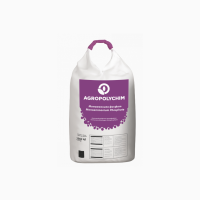
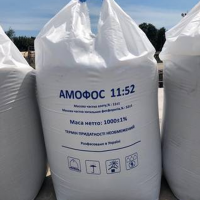
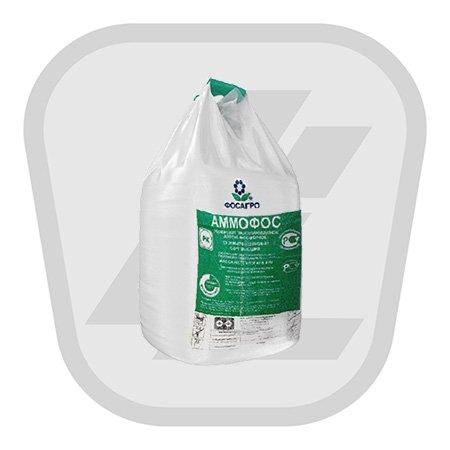
Fertilizer Amofos, Kirovohrad region.
Price16,000 UAH.
Region:all Ukraine,
Kirovohradskaya region.
(Kropivnytskyi)
Updated:
Buy fertilizer Ammofos 12 52
Ammophos 12 52 is a nitrogen-phosphorus fertilizer that is actively used by farmers to stimulate growth and increase the yield of all crops. Ammofos contains nitrogen and phosphorus in a ratio of 12/52. The fertilizer dissolves well in water, does not clump and disperses perfectly.
(//tractor-service.com)
By using Ammofos 12 52, you can achieve: Increased productivity of crops Increased resistance of plants to drought and many diseases Development of a powerful root system Improvement of product quality Increaseproduktion shelf life. Ammophos is effective on any soil, it can be used both as a base for fertilizing plants, and for fertilizing in open and closed ground. Fertilizer works well if it enriches the soil before sowing and feeds the plant during the period of intensive growth. Ammofos is especially necessary for spring crops, plants are fed with it at the very beginning of their growth. Ammophos 12 52 is simply necessary for arid regions, since cultivated plants on such soil most of all neednitrogen fertilizers. But in more temperate regions, such a fertilizer can be combined with other nitrogen fertilizers. Using this, fertilization intensity and healthy growth of plant crops will increase many times over.
Ammofos application
The drug is used in almost all types of soil. Almost all climatic zones of Ukraine are suitable for it. If the territory is distinguished by a smaller amount of precipitation, then it will be supplemented with nitrogenfertilizers less. Neutral or weakly alkaline soils, when using ammophos, create a favorable phosphate regime for the plant. If protected soil conditions are created, then the drug is used in combination with potash and nitrogen fertilizers. Application norms for each crop will be different. Sunflower assumes a norm of 150 kg/ha, taking into account the main fertilizer. Corn, too, with the main application, has a norm of 100 kg/ha. Winter wheat has norms under the condition of sowing in rows of 50 kg/ha, under the condition of main application – 150 kg/ha, and when applied under cultivation – 100 kg/ha. Vegetable cultures assume the rate of basic application of 10 kg/ha.
Ammophos 12 52 is a nitrogen-phosphorus fertilizer that is actively used by farmers to stimulate growth and increase the yield of all crops. Ammofos contains nitrogen and phosphorus in a ratio of 12/52. The fertilizer dissolves well in water, does not clump and disperses perfectly.
(//tractor-service.com)
By using Ammofos 12 52, you can achieve: Increased productivity of crops Increased resistance of plants to drought and many diseases Development of a powerful root system Improvement of product quality Increaseproduktion shelf life. Ammophos is effective on any soil, it can be used both as a base for fertilizing plants, and for fertilizing in open and closed ground. Fertilizer works well if it enriches the soil before sowing and feeds the plant during the period of intensive growth. Ammofos is especially necessary for spring crops, plants are fed with it at the very beginning of their growth. Ammophos 12 52 is simply necessary for arid regions, since cultivated plants on such soil most of all neednitrogen fertilizers. But in more temperate regions, such a fertilizer can be combined with other nitrogen fertilizers. Using this, fertilization intensity and healthy growth of plant crops will increase many times over.
Ammofos application
The drug is used in almost all types of soil. Almost all climatic zones of Ukraine are suitable for it. If the territory is distinguished by a smaller amount of precipitation, then it will be supplemented with nitrogenfertilizers less. Neutral or weakly alkaline soils, when using ammophos, create a favorable phosphate regime for the plant. If protected soil conditions are created, then the drug is used in combination with potash and nitrogen fertilizers. Application norms for each crop will be different. Sunflower assumes a norm of 150 kg/ha, taking into account the main fertilizer. Corn, too, with the main application, has a norm of 100 kg/ha. Winter wheat has norms under the condition of sowing in rows of 50 kg/ha, under the condition of main application – 150 kg/ha, and when applied under cultivation – 100 kg/ha. Vegetable cultures assume the rate of basic application of 10 kg/ha.
|
Shop, contacts | |
Olexiy / отзывы, инфо. / activity evaluation | |
|
Phone:
+380xxxxxx
show
| |
All user ads ~87 | |
Ad ID: #832318
(added by a registered user, registration date: 18-07-2018)
Added/Updated: 05-13-2026 08:23 (relevant, until: 05-13-2027)
Permanent ad address:
Showed / watched for today: ?, total: ?
Similar ads
Among them there are many interesting ones...