Sell / buy
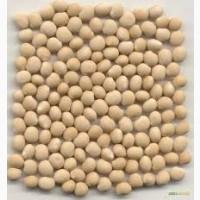
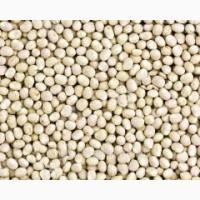
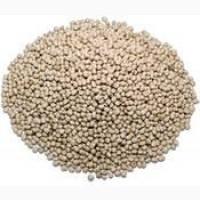
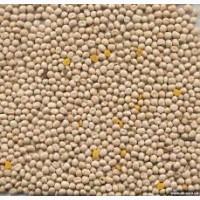
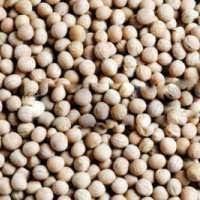
Lupine seeds, Dnipropetrovsk region.
Region:all Ukraine,
Dnepropetrovsk region.
(Pyatikhatki)
Grain purpose: Sowing material
Lupine is a member of the bean family. The upright stem reaches a meter in height. growing in one place for 5–6 years
Multileaf lupine is unpretentious in cultivation. Easily tolerates even the lowest temperatures. Some varieties of the group grow up to 2 m in height. Inflorescence up to 30 cm long consists of small flowers.
Высеивают lupine seeds are sown in open ground in early April, after the snow falls, or in autumn (October-November).
In the first case, the plant will bloom after an hour in May-June, in the second - in August of the following summer.
In the spring, lupins are sown early, as soon as the soil is ready. The depth of planting seeds is 5 cm, on sandstones - up to 8 cm. Lupine seeds germinate at +5ºC, and seedlings withstand short-term repeated frosts up to -4ºC. The seeds, pre-treated with a 50 percent solution of Fundazol, are evenly sown in holes and sprinkled with a small layer of earth.
Seedlings are pricked after two weeks. After the formation of 2-3 leaves on the sprouts, the plants are transplanted to a permanent place or thinned out so that there is a distance of 30-40 cm between adjacent flowers.
Lupins bloom in early October. After that, the leaves and flower stalks are cut, and if necessary, the seeds are collected.(//tractor-service.com)
It is believed that lupine is simply an ideal sideral culture for soils that are poor in nutrients and have high acidity.
Thanks to the fact that after growing lupine, all its green mass is embedded in the soil and, rotting, turns into a beautiful green fertilizer, and at the same time enriches the soil with nitrogen, in the areas where crops are grown after siderates, the yield increases noticeably. And the most interesting thing is that thanks to the active growth of annual siderates, the result can already be obtained a little more than a month after their sowing. If we take into account the fact that lupine crops practically do not need care, then it turns out that this is just a fairy tale, and not a plant.
Lupines are sown as siderates in late spring, in the second half of May.
Seeds are placed in the ground at a depth of 2.5–4 cm, sown in narrow rows, the distance between which is 15–30 cm. In each row, the distance betweenseeds is 5 to 15 cm. The consumption of seed material per hectare is 2 to 4 kg. In order for nutrients to be preserved as much as possible in the soil, it is necessary to use lupine as a siderate in a timely manner. Usually, this work is carried out approximately 2 months after sowing, immediately after flowering and the appearance of green pods. The area with lupine is not dug up, but is done in the same way as is usually done with siderats - the roots are cut with a flat cutter, the green mass is slightly mixed with the ground and left to rot.
This is a high-protein fodder culture. 1 kg of lupine grain contains 3 times more protein than cereal grains, and 1.5 times more thanpeas. All types of lupine contain physiologically active substances - alkaloids in their seeds and green mass.
Lupine planting is carried out in early spring, in March. But agronomists often use winter sowing. For this, seeds are planted in October. Cereal crops are the best precursors for fodder lupine. It is not recommended to plant this crop next to other legumes. Lupins can be re-sown in the same place after 3-4 years.
The harvest is harvested in a mechanized way, with the help of a combine harvester. Mowing the green mass begins in the period of budding and continues until the fruit fully ripens.
Multileaf lupine is unpretentious in cultivation. Easily tolerates even the lowest temperatures. Some varieties of the group grow up to 2 m in height. Inflorescence up to 30 cm long consists of small flowers.
Высеивают lupine seeds are sown in open ground in early April, after the snow falls, or in autumn (October-November).
In the first case, the plant will bloom after an hour in May-June, in the second - in August of the following summer.
In the spring, lupins are sown early, as soon as the soil is ready. The depth of planting seeds is 5 cm, on sandstones - up to 8 cm. Lupine seeds germinate at +5ºC, and seedlings withstand short-term repeated frosts up to -4ºC. The seeds, pre-treated with a 50 percent solution of Fundazol, are evenly sown in holes and sprinkled with a small layer of earth.
Seedlings are pricked after two weeks. After the formation of 2-3 leaves on the sprouts, the plants are transplanted to a permanent place or thinned out so that there is a distance of 30-40 cm between adjacent flowers.
Lupins bloom in early October. After that, the leaves and flower stalks are cut, and if necessary, the seeds are collected.(//tractor-service.com)
It is believed that lupine is simply an ideal sideral culture for soils that are poor in nutrients and have high acidity.
Thanks to the fact that after growing lupine, all its green mass is embedded in the soil and, rotting, turns into a beautiful green fertilizer, and at the same time enriches the soil with nitrogen, in the areas where crops are grown after siderates, the yield increases noticeably. And the most interesting thing is that thanks to the active growth of annual siderates, the result can already be obtained a little more than a month after their sowing. If we take into account the fact that lupine crops practically do not need care, then it turns out that this is just a fairy tale, and not a plant.
Lupines are sown as siderates in late spring, in the second half of May.
Seeds are placed in the ground at a depth of 2.5–4 cm, sown in narrow rows, the distance between which is 15–30 cm. In each row, the distance betweenseeds is 5 to 15 cm. The consumption of seed material per hectare is 2 to 4 kg. In order for nutrients to be preserved as much as possible in the soil, it is necessary to use lupine as a siderate in a timely manner. Usually, this work is carried out approximately 2 months after sowing, immediately after flowering and the appearance of green pods. The area with lupine is not dug up, but is done in the same way as is usually done with siderats - the roots are cut with a flat cutter, the green mass is slightly mixed with the ground and left to rot.
This is a high-protein fodder culture. 1 kg of lupine grain contains 3 times more protein than cereal grains, and 1.5 times more thanpeas. All types of lupine contain physiologically active substances - alkaloids in their seeds and green mass.
Lupine planting is carried out in early spring, in March. But agronomists often use winter sowing. For this, seeds are planted in October. Cereal crops are the best precursors for fodder lupine. It is not recommended to plant this crop next to other legumes. Lupins can be re-sown in the same place after 3-4 years.
The harvest is harvested in a mechanized way, with the help of a combine harvester. Mowing the green mass begins in the period of budding and continues until the fruit fully ripens.
Advertisement ID: #830764
(added by a registered user)
Permanent ad address:
Showed / watched for today: ?, total: ?