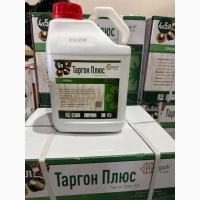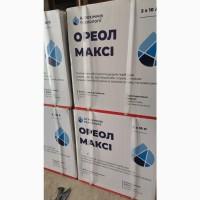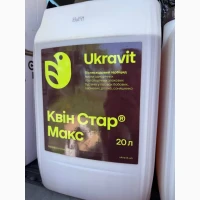
For sale / buy
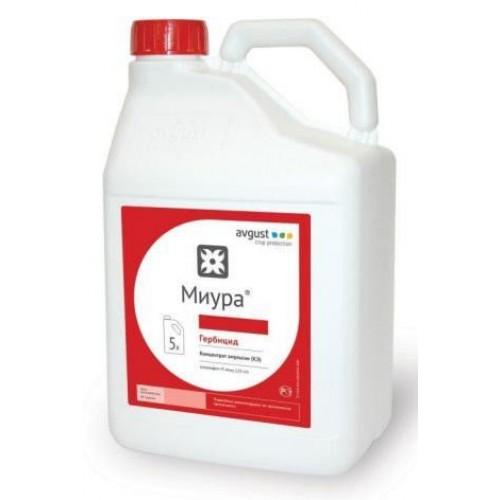
Miura herbicide, Khmelnytskyi region.
Region:all of Ukraine,
Khmelnytskyi region.
Add. Description: Myura is a selective post-emergence herbicide for combating annual and perennial cereal weeds on crops of technical, vegetable, leguminous and other crops.
Consumption rate l/ha: 0.4 - 0.8
Crops on which it is used: Sugar beet, Flax, Rapeseed, Potato, Soy, vegetable and other crops
Active substance: hyzalofop-P-ethyl, 125 g/l
Tare unit: 5 l
Formulation: emulsion concentrate
General concept
Myura herbicide is a post-emergence drug used to protect potatoes, salt, sugar beets, rapeseed, flax and many other crops. The active substance is hyzalofop-P-ethyl. This agrochemical destroys such weeds:
Annuals - foxtail, chaff, chicken millet, annual pendulum, bristly, panicle, self-sowing grains, etc.
Perennials - huma, sedge, creeping rush, common reed, etc.
Advantages of Myur's herbicide:
It affects many weeds and protects a large number of vegetable, grain and leguminous crops. Buy Miura herbicide
Myura's drug is used regardless of the stage of culture development.
compatible with herbicides used to destroy dicotyledonous weeds.
has a systemic effect - i.e. affects not only the aerial part of the weed, but also the root system.(//tractor-service.com)
Mechanism of action:
Miura herbicide is absorbed by leaves and other parts of pest plants within two hours. Then the active substance is directed to the roots and growth points of shoots, after which lipid synthesis is disrupted. The first signs of exposure appear 7-10 days after treatment - agronomists observe chlorosis of leaves and wilting of plants. Between the introduction of the drug and the death of the weed, 1-3 weeks pass (the exact period depends on the type of crop and climatic conditions). The protection is effective from the moment of administration of the drug until the end of the vegetation period.
Application:
Carrots, beets (sugar, fodder and table), winter and spring rapeseed,sunflower, potatoes, sunflower, onion (onion on a feather – exception), flax (longhorn and oil):
Annual weeds: the consumption rate of the drug per 1 ha is 0.4-0.8 liters, crops are processed (with the exception of flax) at the stage of 2-4 normal leaves of weeds;
Perennial weeds (Creeping wheatgrass): consumption - about 0.8 to 1.2 liters per hectare, the agrochemical is introduced into the culture when the height of the pest plant is 10-15 cm.
Peas and onions - both on the pen:
Annual: Consumption varies from 0.4 to 0.8 l/ha, crops are sprayed in the period of 2-4 leaves of the pest.
Solution consumption - 200-300 l/ha. If the crop is densely planted or heavily weeded, the consumption rate should be increased. Low resistance to wind, frost and the effects of parasites. The effectiveness of the drug is reduced in case of precipitation within two hours after treatment.
Recommendations for use
Miura herbicide is shaken in the factory canister. The tank of the sprayerhalf filled with water is filled with water, the stirrer is activated, the necessary amount of herbicide is added, after which the container is filled with water under constant mixing. The solution is mixed until a homogeneous liquid is formed. When used in tank mixtures, mother liquors of other drugs are first prepared, after which they are alternately mixed in the tank. Apply in windless weather, at an air temperature of 15 to 25 degrees.
Consequences
It is safe for dicotyledonous crops, cases of development of immunity in weeds were not observed. The manufacturer does not recommend administering the drug by aviation method, especially in windy weather. The agrochemical must be stored in the factory 5-liter container at a temperature of -20 to +35 degrees. The shelf life is 3 years (see the date of manufacture on the package).
There is also a large range of products from different manufacturers. Details by phone. +380xxxxxx
Consumption rate l/ha: 0.4 - 0.8
Crops on which it is used: Sugar beet, Flax, Rapeseed, Potato, Soy, vegetable and other crops
Active substance: hyzalofop-P-ethyl, 125 g/l
Tare unit: 5 l
Formulation: emulsion concentrate
General concept
Myura herbicide is a post-emergence drug used to protect potatoes, salt, sugar beets, rapeseed, flax and many other crops. The active substance is hyzalofop-P-ethyl. This agrochemical destroys such weeds:
Annuals - foxtail, chaff, chicken millet, annual pendulum, bristly, panicle, self-sowing grains, etc.
Perennials - huma, sedge, creeping rush, common reed, etc.
Advantages of Myur's herbicide:
It affects many weeds and protects a large number of vegetable, grain and leguminous crops. Buy Miura herbicide
Myura's drug is used regardless of the stage of culture development.
compatible with herbicides used to destroy dicotyledonous weeds.
has a systemic effect - i.e. affects not only the aerial part of the weed, but also the root system.(//tractor-service.com)
Mechanism of action:
Miura herbicide is absorbed by leaves and other parts of pest plants within two hours. Then the active substance is directed to the roots and growth points of shoots, after which lipid synthesis is disrupted. The first signs of exposure appear 7-10 days after treatment - agronomists observe chlorosis of leaves and wilting of plants. Between the introduction of the drug and the death of the weed, 1-3 weeks pass (the exact period depends on the type of crop and climatic conditions). The protection is effective from the moment of administration of the drug until the end of the vegetation period.
Application:
Carrots, beets (sugar, fodder and table), winter and spring rapeseed,sunflower, potatoes, sunflower, onion (onion on a feather – exception), flax (longhorn and oil):
Annual weeds: the consumption rate of the drug per 1 ha is 0.4-0.8 liters, crops are processed (with the exception of flax) at the stage of 2-4 normal leaves of weeds;
Perennial weeds (Creeping wheatgrass): consumption - about 0.8 to 1.2 liters per hectare, the agrochemical is introduced into the culture when the height of the pest plant is 10-15 cm.
Peas and onions - both on the pen:
Annual: Consumption varies from 0.4 to 0.8 l/ha, crops are sprayed in the period of 2-4 leaves of the pest.
Solution consumption - 200-300 l/ha. If the crop is densely planted or heavily weeded, the consumption rate should be increased. Low resistance to wind, frost and the effects of parasites. The effectiveness of the drug is reduced in case of precipitation within two hours after treatment.
Recommendations for use
Miura herbicide is shaken in the factory canister. The tank of the sprayerhalf filled with water is filled with water, the stirrer is activated, the necessary amount of herbicide is added, after which the container is filled with water under constant mixing. The solution is mixed until a homogeneous liquid is formed. When used in tank mixtures, mother liquors of other drugs are first prepared, after which they are alternately mixed in the tank. Apply in windless weather, at an air temperature of 15 to 25 degrees.
Consequences
It is safe for dicotyledonous crops, cases of development of immunity in weeds were not observed. The manufacturer does not recommend administering the drug by aviation method, especially in windy weather. The agrochemical must be stored in the factory 5-liter container at a temperature of -20 to +35 degrees. The shelf life is 3 years (see the date of manufacture on the package).
There is also a large range of products from different manufacturers. Details by phone. +380xxxxxx
Ad ID: #806644
(added by a registered user)
Permanent ad address:
Showed / watched for today: ?, total: ?
Similar fresh ads
Among them there are many interesting ones...