For sale / buy
Ammonium sulfate, Cherkasy oblast.
Region:all of Ukraine,
Cherkasy oblast.
(Cherkassy)
Updated:
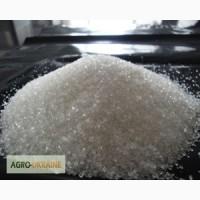
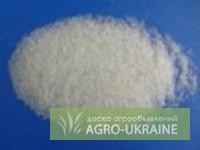
Sulfate crystalline ammonia GOST 9097-82 Appearance — transparent or white crystals. Ammonium sulfate successfully competes with the best nitrogen fertilizers. Much cheaper than other types of nitrogen mineral fertilizers. The mass fraction of nitrogen in terms of dry matter is not less than 21%. Ammonium sulfuric acid has weak agglomeration and very weak hygroscopicity. In addition to nitrogen, ammonium sulfate includes sulfur (up to 24%) — a necessary nutrient for agricultural crops, which, like nitrogen, is part of proteins and amino acids and ranks third after nitrogen and phosphorus. The fertilizer also contains biologically digestible iron compounds. A significant part of sulfur in plants is in the form of sulfuric acid salts, so ammonium sulfate is an excellent source of sulfur nutrition. Ammonium, included in ammonium sulfate, is readily available to plants, is not very mobile and does not wash out from the soil, which makes it possible to use it widely as a basicfertilizer and during spring feeding. Ammonium sulfate is recommended primarily for crops: — demanding on sulfur (rape, cabbage and other cruciferous crops, buckwheat, winter and spring wheat); — which prefer the ammonium form of nitrogen to the nitrate form (potatoes, sugar beets, fodder crops); — which grow better with a slightly acidic reaction of the soil solution (potatoes, flax, tea,sunflower, carrots,tomatoes, sorrel, parsley, turnip, radish, pumpkin, zucchini, radish, gooseberry, raspberry).
Sulfate must be stored in closed warehouses that protect the product from moisture. Incombustible.
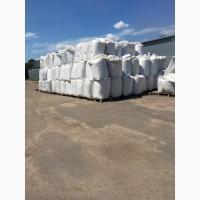
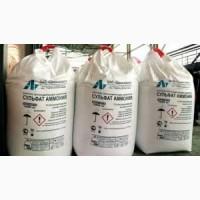
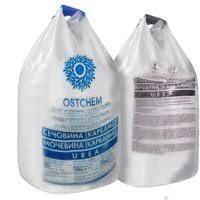
Ammonium sulfuric acid is supplied by rail and road transport in bulk and in prepackaged form — in bags or soft containers of the "big-bag" type.
Sulfate must be stored in closed warehouses that protect the product from moisture. Incombustible.
Ammonium sulfuric acid is supplied by rail and road transport in bulk and in prepackaged form — in bags or soft containers of the "big-bag" type.
|
Shop, contacts | |
Yaroslavl/ отзывы, инфо./ activity evaluation | |
|
Phone:
095 xxxxxx
show
| |
| http://selfo.com.ua | |
Advertisement ID: #79109
(added by a registered user: 06-23-2010)
Added / Updated: 07-29-2026 15:36 (current, until: 29-07-2027)
Permanent ad address:
Showed / watched for today: ?, total: ?