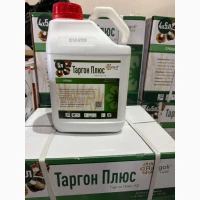
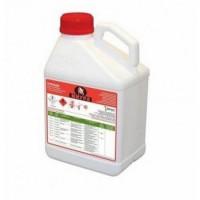
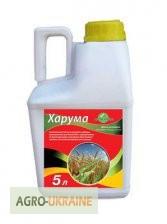
/ Fertilizers and plant protection products / Herbicides / Herbicide (Miura, Targa Super, Kronos) hyzalofop...
For sale / buy
Herbicide (Miura, Targa Super, Kronos) hyzalofop-P-ethyl 125 g/l, soybean, sunflower, rapeseed, Kyiv
Region:all Ukraine,
Kyiv
(Prychalnaya)
Category: Herbicides
Chemical characteristics
Active substance content: Hyzalofop-P-ethyl, 125 g/l
Chemical group: Belongs to derivatives of 2-(4-aryloxyphenoxy) propionic acids
Preparative form: Emulsion concentrate
Packaging: 10 l
Quickly absorbed by the plant
https://agro-himprom.com.ua/p446614509-gerbitsid-haruma-miura.html
Effective action at a wide range of temperatures.
Effectively fights almost all types of annual and perennial grass weeds
Wide range of use on different cultures.
Destruction of not only the aerial part, but also the root system of weeds.
Application without restrictions on the stages of development of cultivated plants
Possibility of use in tank mixtures against dicotyledonous weeds.
It does not show phytotoxicity to the following crops in crop rotation.
Mechanism of action
KHARUMA – has systemic activity. It is very quickly absorbed by the leaves and other above-ground parts of weeds and is carried to the growth points of sprouts and rhizomes. The drug disrupts the synthesis of lipids, which leads to the death of plants.
Range of action
Sensitive weeds
Annual grasses - foxtail, ragwort, common ryegrass, chicken millet, canary grass, mouse gray, mouse green, blood glove. Fenugreek, cornflower, annual fennel, wild plantscereals; perennial grasses - creeping wheatgrass, cyno dot (pig's-eared) finger, gumai, common thinleg, white whip, common reed. Haruma does not work on dicotyledonous weeds.
Cost norms and terms of application.
Culture, object being processed
Harmful object
Drug consumption rate, l/ha
Method and terms of application
Number of treatments
Fields designated by
for sowing
sugar beets,
potatoes, soybeans,
rapeseed, sunflower
Annual cereal weeds
0.4-0.8 l/ha
They are sprayed during the period of their active growth (v
the phase from 2-4 leaves to the tillering point)
1
Perennial cereal weeds
0.8-1.2 l/ha
They are sprayed during the period of their active growth (v
phase from 2-4 leaves to the beginning of tillering)
For the information of the consumer: drugs with a similar active substance are also used in the world:(//tractor-service.com)
Culture, object being processed
Harmful object
Drug consumption rate, l/ha
Method and terms of application
Number of treatments
Flax longhorn,
onion (except
onions on a feather),
carrots, peas,
dining room and
fodder beet
Annual cereal weeds
0.4 - 1.0
Spraying crops in the phase of 2-6 leaves
in weeds (regardless of the phase of development
cultures)
1
Perennial grass weeds
1.4 - 1.8
Spraying crops at the height of weeds
10-20 cm (regardless of the development phase
cultures)
Properties of the drug
Thanks to its systemic effect, it promotes the rapid destruction of cereal weeds and their root system. Has no restrictions when used in crop rotation.
The composition of Harum includes a surface-active substance, which causes an increase in the sensitivity of weeds to the action of the drug due to better penetration into the plant and better adhesion of the drug to its surface. Regardless of the phase of crop development, the highest effectiveness in the fight against perennial cereal weeds is achieved when they are 10-20 cm high at the time of herbicide treatment, with annual cereals - during the development phase of 2-6 weed leaves. Resistant to washing off an hour after application.
Recommendations for use
Application features
The minimum dosages of the drug are used in compliance with the optimal treatment terms, the maximum dosages are used in case of high contamination (more than 300 units/m2) or for overgrown weeds. It is advisable to carry out the treatment in the morning hours at a temperature of up to +25 C.
Rate of consumption of working solution
200-300 l/ha
Compatibility
The drug can be used in tank mixtures with other drugs except herbicides based on the active substances of bentazone and imazoquin. However, in each specific case, it is advisable to conduct an additional check of the drugs for compatibility.
Limitations in application
It is not recommended to applymineral fertilizers and growth stimulants within three weeks of applying the herbicide.
WHO classification, toxicological characteristics
III class (malotoxic)
Storage of the drug
Storage conditions
The drug should be stored in specialized warehouses designed for the storage of pesticides, at a temperature from 0°C to +30°C.
Storage period
2 years from the date of manufacture in undamaged factory packaging
Advertisement ID: #703562
(added by registered users) by the user)
Permanent ad address:
Showed / watched for today: ?, total: ?
Similar fresh ads
Among them there are many interesting...