For sale / buy
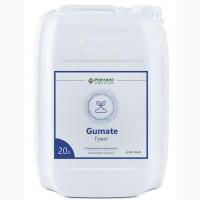
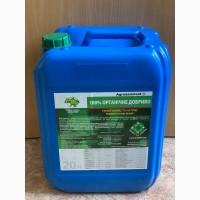
Liquid sodium humate (0.4l/ha), Kirovohrad region.
Region:all of Ukraine,
Kirovogradskaya region.
(Alexandria)
INFO ABOUT HUMATNO PRODUCTS.
Growth stimulators (growth regulators) are a category of agrochemicals that do not affect the plant directly, but at the cellular level activate the life processes of organisms and increase their stress resistance. Stresses can be connected both with weather features and with the action of mandatoryapplied means of plant protection.
Depending on the origin, chemical nature, mechanisms and spectrum of action, several interrelated classifications of stimulating drugs can be distinguished:
- natural and synthetic;
- specific and non-specific;
- hormonal and non-hormonal;
- simple and complex;
- products of vital activity of fungi, algae, plants; protein (peptide) nature, amino acid derivatives, steroid drugs, carbohydrate drugs, indole and pyridine derivatives, terpenoids, complex condensed structures that cannot be attributed to any of the groups.
The category of complex condensed structures also includes humic preparations. Their advantage is the fact that they are part of the organic matter of the soil, and the production process is not technologically complex.
Brown coal,peat and sapropel are sources of humic compounds. Preparations obtained frompeat are recognized as the most physiologically active. The most physiologically active form of humic compounds are sodium, potassium, and ammonium salts.
There are several groups of humic substances:
humic acids soluble only in alkaline solutions;
hymatomelanic acids extracted from the raw residue (gel) of humic acids with ethyl alcohol;
fulvic acids, soluble in water, alkaline and acidic solutions;
humin is an organic substance that is practically insoluble and cannot be extracted from natural bodies and composts and, according to some scientists, is a "storage" of active substances for the future.(//tractor-service.com)
Humic acids are insoluble in water, so they are not biologically active. Microflora in the soil converts them into water-soluble salts of humic acid.
Based on the example of the activity of soil microflora, the production technology of potassium and sodium salts of humic acid was developed. The production of liquid ballastless humates is divided into the following stages:
1. Preliminary grinding of peat;
2. Treatment of peat with caustic potassium or caustic sodium in a ratio that depends on the content of humic acid in the original peat;
3. Extraction of humic acid salts in the cavitation field;
4. Separation of ballast aqueous solution of humic acid salts into ballast and chemically pure aqueous solution of humic acid salts;
5. Packaging of liquid ballastless humate in a transport container;
6. Utilization of ballast.
From the point of view of crop production, the positive influence of humic preparations can be considered in two ways:
- influence on the soil;
- influence on the plant.
THE INFLUENCE ON THE SOIL consists in its additional structuring with the improvement of colloidal properties, which ensure the optimal water-air regime of the soil with the simultaneous fixation of labile ions of potassium - the most important macroelement.
Optimizing the regime and structure of the soil contributes to the activation of the activity of the microflora, which provides the system with available forms of nitrogen and phosphorus, the two second most important macronutrients, necessary for plants.
Humates have protective properties due to the formation of insoluble complex compounds with ions of heavy metals and strontium, minimizing their participation in plant metabolism.
FROM THE POINT OF VIEW OF THE INFLUENCE ON PLANTS, humates act at the cellular level, change the permeability of cell membranes, increase the activity of enzymes and the speed of physiological and biochemical processes, stimulate the processes of respiration, synthesis of proteins and carbohydrates. The use of drugs leads to an increase in productivity, especially in unfavorable climatic conditions. Humates increase the resistance of plants to stresses caused by both climatic conditions and pesticide treatment. Being non-specific activators of the immune system, humates increase the resistance of plants to various diseases.
Humic preparations stimulate the development of the root system. They regulate root and foliar nutrition, improve the penetration of nutrients and trace elements from the soil solution into the plant. Thus, the rate of use of mineral fertilizers increases, which makes it possible to reduce doses of mineral fertilizers by 30-50%, which allows to reduce costs, and already at the stage of applying mineral fertilizers, significant funds are saved. In addition, the use of humic fertilizers, with a reduced dose of mineral fertilizers, allows you to reduce the content of nitrates in the production and obtain virtually clean and environmentally friendly products.
Growth stimulators (growth regulators) are a category of agrochemicals that do not affect the plant directly, but at the cellular level activate the life processes of organisms and increase their stress resistance. Stresses can be connected both with weather features and with the action of mandatoryapplied means of plant protection.
Depending on the origin, chemical nature, mechanisms and spectrum of action, several interrelated classifications of stimulating drugs can be distinguished:
- natural and synthetic;
- specific and non-specific;
- hormonal and non-hormonal;
- simple and complex;
- products of vital activity of fungi, algae, plants; protein (peptide) nature, amino acid derivatives, steroid drugs, carbohydrate drugs, indole and pyridine derivatives, terpenoids, complex condensed structures that cannot be attributed to any of the groups.
The category of complex condensed structures also includes humic preparations. Their advantage is the fact that they are part of the organic matter of the soil, and the production process is not technologically complex.
Brown coal,peat and sapropel are sources of humic compounds. Preparations obtained frompeat are recognized as the most physiologically active. The most physiologically active form of humic compounds are sodium, potassium, and ammonium salts.
There are several groups of humic substances:
humic acids soluble only in alkaline solutions;
hymatomelanic acids extracted from the raw residue (gel) of humic acids with ethyl alcohol;
fulvic acids, soluble in water, alkaline and acidic solutions;
humin is an organic substance that is practically insoluble and cannot be extracted from natural bodies and composts and, according to some scientists, is a "storage" of active substances for the future.(//tractor-service.com)
Humic acids are insoluble in water, so they are not biologically active. Microflora in the soil converts them into water-soluble salts of humic acid.
Based on the example of the activity of soil microflora, the production technology of potassium and sodium salts of humic acid was developed. The production of liquid ballastless humates is divided into the following stages:
1. Preliminary grinding of peat;
2. Treatment of peat with caustic potassium or caustic sodium in a ratio that depends on the content of humic acid in the original peat;
3. Extraction of humic acid salts in the cavitation field;
4. Separation of ballast aqueous solution of humic acid salts into ballast and chemically pure aqueous solution of humic acid salts;
5. Packaging of liquid ballastless humate in a transport container;
6. Utilization of ballast.
From the point of view of crop production, the positive influence of humic preparations can be considered in two ways:
- influence on the soil;
- influence on the plant.
THE INFLUENCE ON THE SOIL consists in its additional structuring with the improvement of colloidal properties, which ensure the optimal water-air regime of the soil with the simultaneous fixation of labile ions of potassium - the most important macroelement.
Optimizing the regime and structure of the soil contributes to the activation of the activity of the microflora, which provides the system with available forms of nitrogen and phosphorus, the two second most important macronutrients, necessary for plants.
Humates have protective properties due to the formation of insoluble complex compounds with ions of heavy metals and strontium, minimizing their participation in plant metabolism.
FROM THE POINT OF VIEW OF THE INFLUENCE ON PLANTS, humates act at the cellular level, change the permeability of cell membranes, increase the activity of enzymes and the speed of physiological and biochemical processes, stimulate the processes of respiration, synthesis of proteins and carbohydrates. The use of drugs leads to an increase in productivity, especially in unfavorable climatic conditions. Humates increase the resistance of plants to stresses caused by both climatic conditions and pesticide treatment. Being non-specific activators of the immune system, humates increase the resistance of plants to various diseases.
Humic preparations stimulate the development of the root system. They regulate root and foliar nutrition, improve the penetration of nutrients and trace elements from the soil solution into the plant. Thus, the rate of use of mineral fertilizers increases, which makes it possible to reduce doses of mineral fertilizers by 30-50%, which allows to reduce costs, and already at the stage of applying mineral fertilizers, significant funds are saved. In addition, the use of humic fertilizers, with a reduced dose of mineral fertilizers, allows you to reduce the content of nitrates in the production and obtain virtually clean and environmentally friendly products.
Ad ID: #662684
(added by a registered user)
Permanent ad address:
Showed / watched for today: ?, total: ?
Similar fresh ads
Among them there are many interesting...