For sale / buy
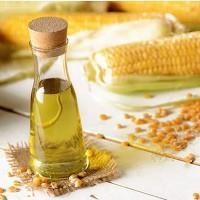
Storp oil, Odesskaya oblast.
Region:all Ukraine,
Odesskaya oblast.
Indications for the use of fruitsmilk thistle spotted (silymarin)
Biochemical components
The main biologically active substances of milk thistle fruits are flavonolignans (1.5–3.0%), known collectively as silymarin. The main components of this complex are silybin or silibinin (it accounts for 60–70%), silycristin (20%), silydianin (10%) and isosilybin (5%)
Silymarin is found in all parts of the plant, but the highest concentration is in its fruits. Milk thistle extracts are standardized by the content of silybin as the component with the greatest biological activity. Standardized extracts (medicinal preparations prepared in a certain way, allowing to ensure a given content of the main active substances) should contain 70–80% silybin (Luper S., 1998).
Indications:(//tractor-service.com)
1. Confirmed by clinical research data — supportive therapy for acute or chronic hepatitis and liver cirrhosis induced by alcohol, drugs, or toxins.
2. Presented in pharmacopoeias and systems of traditional medicine are dyspepsia (disruption of the normal functioning of the stomach and intestines), gall bladder stones.
3. Described in folk medicine, but not confirmed by experimental or clinical studies, — amenorrhea, constipation, diabetes, hay fever, uterine bleeding, varicose veins.
Effects and mechanisms of action
The hepatoprotective (cytoprotective) effect of silymarin — the ability to protectliver cells from various adverse effects (toxins, ischemia, radiation, viruses, etc.) — has been proven in a large number of experimental (in vitro and in vivo) and clinical studies around the world. It is based on numerous mechanisms of action and properties of the drug, which have not yet been fully studied: "scavenging" of free radicals, suppression of lipid peroxidation (POL) processes and prevention of depletion of glutathione reserves, blocking of the uptake of toxins, suppression of the formation of leukotrienes from polyunsaturated fatty acids in the liver, stimulation of protein synthesis in hepatocytes, modulation of immune functions and dr.
Biochemical components
The main biologically active substances of milk thistle fruits are flavonolignans (1.5–3.0%), known collectively as silymarin. The main components of this complex are silybin or silibinin (it accounts for 60–70%), silycristin (20%), silydianin (10%) and isosilybin (5%)
Silymarin is found in all parts of the plant, but the highest concentration is in its fruits. Milk thistle extracts are standardized by the content of silybin as the component with the greatest biological activity. Standardized extracts (medicinal preparations prepared in a certain way, allowing to ensure a given content of the main active substances) should contain 70–80% silybin (Luper S., 1998).
Indications:(//tractor-service.com)
1. Confirmed by clinical research data — supportive therapy for acute or chronic hepatitis and liver cirrhosis induced by alcohol, drugs, or toxins.
2. Presented in pharmacopoeias and systems of traditional medicine are dyspepsia (disruption of the normal functioning of the stomach and intestines), gall bladder stones.
3. Described in folk medicine, but not confirmed by experimental or clinical studies, — amenorrhea, constipation, diabetes, hay fever, uterine bleeding, varicose veins.
Effects and mechanisms of action
The hepatoprotective (cytoprotective) effect of silymarin — the ability to protectliver cells from various adverse effects (toxins, ischemia, radiation, viruses, etc.) — has been proven in a large number of experimental (in vitro and in vivo) and clinical studies around the world. It is based on numerous mechanisms of action and properties of the drug, which have not yet been fully studied: "scavenging" of free radicals, suppression of lipid peroxidation (POL) processes and prevention of depletion of glutathione reserves, blocking of the uptake of toxins, suppression of the formation of leukotrienes from polyunsaturated fatty acids in the liver, stimulation of protein synthesis in hepatocytes, modulation of immune functions and dr.
Ad ID: #602110
(added by a registered user)
Permanent ad address:
Showed / watched for today: ?, total: ?
Similar fresh ads
Among them are many interesting...