Sell / buy
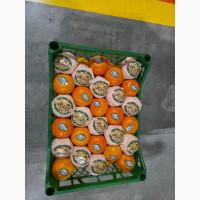
Mandarin in chocolate Laurence Greece SUPERCENA, Dnipropetrovsk region.
Region:all of Ukraine,
Dnepropetrovsk region.
(Dnepropetrovsk, ul. Karla Lybknekhta 4b)
Mandarin in Laurence chocolate
This wonderful miracle-fruit - tangerine - gives a wonderful mood and positivity not only during the recently passed "tangerine" New Year's holidays, but every day. Mandarin is native to Southeast Asia. This member of the citrus family owes its name to the Chinese, where mandarin fruits were available only to the most distinguished and wealthy people, who, by the way, were also called mandarins. By the way, as early as 1178, one of the sources of Chinese manuscripts contains a detailed description of the best varieties of tangerines.
Europe tried this orange delicacy much later, approximately in the 18th century, mandarins were immediately liked by Europeans. A mandarin tree grows to a height of 2 to 8 meters, on its sprawling crown, about 600 fruits ripen within 6-8 months. An interesting fact is that everything that today is filled with vegetables in supermarkets under the inscription "tangerine" on the price tag, is mostly not recognized as such. Along with tangerines, the shelves with the same name display tangerines (distinguished by a large number of pits), tangelo and natsumikan (hybrid of mandarin andgrapefruit), tangora (tangerine plus orange), citrandarin (hybrid of mandarin and wildlemon) and ichandarin (hybrid of satsuma mandarin and ichanga), as well as calamondin (hybrid of mandarin and kumquat) and clementine (hybrid of mandarin and crown orange). But don't worry, all these "tangerines" are equally useful.
Benefits of tangerines. Contraindications to the use of tangerines
The benefits of tangerines are unconditional. However, it is worth remembering that citrus fruits are one of the strongest allergens, and the abuse of orange delicacies can have a negative effect on the kidneys and stomach mucosa, therefore, those who suffer from various diseases such as colitis, gastritis, ulcers, nephritis, enteritis and cholecystitis should be especially careful and not eat mandarins by the kilogram. In other words, everything is good in moderation. So, let's return to the benefits of tangerines.
Tangerine is a bright representative of the citrus family, which perfectly preserves all its useful properties during transportation. Mandarin pulp consists of 89.7% water, the remaining 11.3% is sugar (about 7%), acids, pectin substances, mineral salts, glycosides, essential oils and vitamins. The vitamin composition of tangerines should be mentioned separately. Tangerines are rich in vitamin C, of which 100 grams of fruit contains 35 milligrams. In addition, mandarins are rich in vitamins of group B, in particular B1 and B2, and include vitamins P, K, D and provitamin A. Mandarin juice contains calcium, magnesium and potassium, this "orange drink" contributes to an increase in appetite and improvement of metabolic processes.(//tractor-service.com)
By the way, tangerine does not contain nitrates in its composition, however, this is what distinguishes all citrus fruits that contain citric acid in their composition. And here's the thing: citric acid is an "antidote", nitrates just don't get along with it.
But not only the tangerine pulp is useful, useful substances are also contained in the peel and white mesh. The peel of tangerines is rich in essential oils, organic acids, carotene, vitamin C, and flavonoids, and the "white mesh" contains an excess of glycosides that have a beneficial effect on the condition of the walls of blood vessels.
In folk medicine, fresh tangerine peel is used as an antiemetic, used for diarrhea and bronchitis. By the way, it is precisely the high content of phenolic amino acid, which is called synephrine, that makes mandarin indispensable in the treatment of asthma and bronchial diseases. Dried tangerine peel is used as a means of prolonging painkillers, besides, it calms the nervous system quite well.
Characteristics Country of manufacture Greece
The form of leave is weighted.
Features gifts, handwork
This wonderful miracle-fruit - tangerine - gives a wonderful mood and positivity not only during the recently passed "tangerine" New Year's holidays, but every day. Mandarin is native to Southeast Asia. This member of the citrus family owes its name to the Chinese, where mandarin fruits were available only to the most distinguished and wealthy people, who, by the way, were also called mandarins. By the way, as early as 1178, one of the sources of Chinese manuscripts contains a detailed description of the best varieties of tangerines.
Europe tried this orange delicacy much later, approximately in the 18th century, mandarins were immediately liked by Europeans. A mandarin tree grows to a height of 2 to 8 meters, on its sprawling crown, about 600 fruits ripen within 6-8 months. An interesting fact is that everything that today is filled with vegetables in supermarkets under the inscription "tangerine" on the price tag, is mostly not recognized as such. Along with tangerines, the shelves with the same name display tangerines (distinguished by a large number of pits), tangelo and natsumikan (hybrid of mandarin andgrapefruit), tangora (tangerine plus orange), citrandarin (hybrid of mandarin and wildlemon) and ichandarin (hybrid of satsuma mandarin and ichanga), as well as calamondin (hybrid of mandarin and kumquat) and clementine (hybrid of mandarin and crown orange). But don't worry, all these "tangerines" are equally useful.
Benefits of tangerines. Contraindications to the use of tangerines
The benefits of tangerines are unconditional. However, it is worth remembering that citrus fruits are one of the strongest allergens, and the abuse of orange delicacies can have a negative effect on the kidneys and stomach mucosa, therefore, those who suffer from various diseases such as colitis, gastritis, ulcers, nephritis, enteritis and cholecystitis should be especially careful and not eat mandarins by the kilogram. In other words, everything is good in moderation. So, let's return to the benefits of tangerines.
Tangerine is a bright representative of the citrus family, which perfectly preserves all its useful properties during transportation. Mandarin pulp consists of 89.7% water, the remaining 11.3% is sugar (about 7%), acids, pectin substances, mineral salts, glycosides, essential oils and vitamins. The vitamin composition of tangerines should be mentioned separately. Tangerines are rich in vitamin C, of which 100 grams of fruit contains 35 milligrams. In addition, mandarins are rich in vitamins of group B, in particular B1 and B2, and include vitamins P, K, D and provitamin A. Mandarin juice contains calcium, magnesium and potassium, this "orange drink" contributes to an increase in appetite and improvement of metabolic processes.(//tractor-service.com)
By the way, tangerine does not contain nitrates in its composition, however, this is what distinguishes all citrus fruits that contain citric acid in their composition. And here's the thing: citric acid is an "antidote", nitrates just don't get along with it.
But not only the tangerine pulp is useful, useful substances are also contained in the peel and white mesh. The peel of tangerines is rich in essential oils, organic acids, carotene, vitamin C, and flavonoids, and the "white mesh" contains an excess of glycosides that have a beneficial effect on the condition of the walls of blood vessels.
In folk medicine, fresh tangerine peel is used as an antiemetic, used for diarrhea and bronchitis. By the way, it is precisely the high content of phenolic amino acid, which is called synephrine, that makes mandarin indispensable in the treatment of asthma and bronchial diseases. Dried tangerine peel is used as a means of prolonging painkillers, besides, it calms the nervous system quite well.
Characteristics Country of manufacture Greece
The form of leave is weighted.
Features gifts, handwork
Ad ID: #573797
(added by a registered user)
Permanent ad address:
Showed / watched for today: ?, total: ?
Similar fresh ads
Among them there are many interesting ones...