/ Bees, honey and beekeeping products, equipment / Apiary equipment / Flight barriers / Flight attachment "LPRS" Romanchenko...


Продам / купить
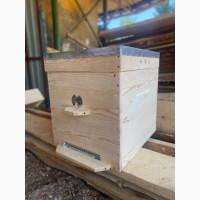
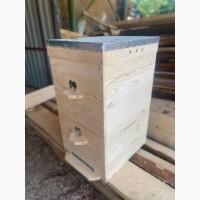
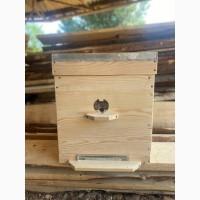
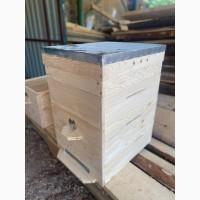
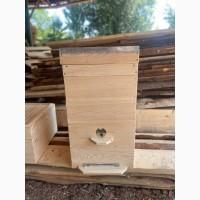
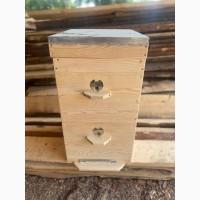
Letkovaya pristava "lprs" Romanchenko-sanina, Chernihiv region.
Region:all of Ukraine,
Chernihiv region.
(ул. Киевская 26)
COMBINED MULTIFUNCTIONAL FLIGHT ATTACHMENT (LPRS-1) LPRS-1 is made in accordance with a. with. A01K 47/00 No. 1546030 publ. in Bull. No. 8 28.02.90 (priority from 26.11.87) and a. with. A01K 47/00 No. 1750523 publ. in Bull. No. 28 dated 30.07.92 (priority dated 17.04.1990) and is intended to prevent non-technological losses of the biopotential of bee colonies, as the main means of increasing the efficiency of the production of bee products. 1. General information 1.1. The combined multi-functional resource-saving flight attachment (LPRS-1) Fig. 1, 2 is intended for improving the qualitative and quantitative indicators of methods and means of preserving and increasing the biological potential of bee colonies and protecting their honey products during the production cycle.
(//tractor-service.com)
The resource saving mode is ensured by preventing: - loss of bees from premature spring mass departure for the first cleaning flight under unfavorable meteorological conditions; 2 - losses of worker bees from mutual destruction in the process of an attack of one bee colony on another; - take off of bee colonies; - uncontrolled emergence of swarms; - loss of honey products from the penetration of hornets, wasps into the hive; - loss of bees during attacks of titmice, woodpeckers, and jays. 2. LPRS-1 completeness, and modes of operation The LPRS-1 delivery set includes: 1. LPRS-1 detachable housing - 1 pc. (Fig. 1, 2) 2. Plug of the hole for draining drones - 1 pc. (Fig. 3) 3. Fastening elements - 1 set (Fig. 4) 4. The LPRS-1 instruction can be used throughout the year under meteorological conditions: air humidity 65 ... 80%; air temperature (-50 ... +45)0C. 2.1. Functional modes of LPRS-1 2.1.1. Mode of prevention of premature exit of bee colonies on a cleaning flight under unfavorable conditions This becomes possible thanks to the lengthening of the paththe movement of the bee to the exit from the tunnel formed by the upper and lower combs of the LPRS-1 connector body and the action of ascending air currents. 2.1.2. Mode of preventing the penetration of thief bees, wasps and hornets into the hive This becomes possible due to the lack of direct access to the hive wing, from which the attractive smell of honey products spreads. 2.1.3. Mode of prevention of reduction of the biopotential of the family from the attack of titmice, jays and woodpeckers. This becomes possible due to the avoidance of direct contact of bees and access to the flight of the hive of titmice, jays and woodpeckers. 2.1.4. Mode of preventing takeoffbee colonies Prevention of takeoff of bee colonies in the autumn season occurs due to the presence of a calibrated transition into the tunnel, which prevents the unauthorized exit of the queen from the hive, and, accordingly, the takeoffof bee colonies. 3 To prevent bees from leaving the hive during transport of the apiary, the removable part 6 of the LPRS-1 housing (Fig. 5) is installed in the second slot of the upper comb of the base part 7 of the LPRS-1 housing (Fig. 5) where it is fixed, preventing arbitrary displacement. 2.2. Preparation of LPRS-1 for installation in the hive 1. Clean the bottom of the hive from sediment and other extraneous deposits. 2. Free the opening of the beehive from all kinds of restrictions, obstructions, encroachment (preferably during non-flying hours). 3. Make sure that there is no cobweb or other contamination of the openings between the transverse slats that form the upper and lower combs - splitters of the ascending air flows of the LPRS-1 detachable housing. 2.4. Installation of LPRS-1 in the beehive flight 1. To install LPRS-1, it is necessary to dismantle the landing board and blocking devices. 2. We install the housing on the front wall of the beehive, directing the protrusions of the longitudinal rods of the LPRS-1 cantilever mount into the clearance of the fly, which ensures the coincidence of the clearances of the LPRS-1 tunnel and the fly of the hive. 3. Fix LPRS-1 on the front wall of the beehive with the help of fastening parts. 4. Check the correctness of the LPRS-1 installation (make sure that the clearances of the tunnel and the flywheel match) and the reliability of the fastening. 2.5. Maintenance of LPRS-1 1. As cobwebs or other clogging of the openings of the lower or upper combs of LPRS-1 are detected, it is necessary to disconnect the first component of the detachable housing (Fig. 2) and clean the openings of the combs and tunnel with one of the cantilever mounting rods (position 2). 2. At least twice a year, check the coincidence of the openings of the attachment tunnel and the beehive fly. In the case of displacement of the clearance of the exit of the attachment tunnel in relation to the flywheel, adjust the fastening of the LPRS-1. 4 3. Work on cleaning the openings of the lower and upper combs of the tunnel should be carried out in the absence of bees flying. 4. Insert plug 5 (Fig. 3) into hole 2 (Fig. 2), limiting the output of drones.
The manufacturer guarantees the reliable technological functioning of LPRS-1 if the recommendations of this manual are followed for at least 10 years.
(//tractor-service.com)
The resource saving mode is ensured by preventing: - loss of bees from premature spring mass departure for the first cleaning flight under unfavorable meteorological conditions; 2 - losses of worker bees from mutual destruction in the process of an attack of one bee colony on another; - take off of bee colonies; - uncontrolled emergence of swarms; - loss of honey products from the penetration of hornets, wasps into the hive; - loss of bees during attacks of titmice, woodpeckers, and jays. 2. LPRS-1 completeness, and modes of operation The LPRS-1 delivery set includes: 1. LPRS-1 detachable housing - 1 pc. (Fig. 1, 2) 2. Plug of the hole for draining drones - 1 pc. (Fig. 3) 3. Fastening elements - 1 set (Fig. 4) 4. The LPRS-1 instruction can be used throughout the year under meteorological conditions: air humidity 65 ... 80%; air temperature (-50 ... +45)0C. 2.1. Functional modes of LPRS-1 2.1.1. Mode of prevention of premature exit of bee colonies on a cleaning flight under unfavorable conditions This becomes possible thanks to the lengthening of the paththe movement of the bee to the exit from the tunnel formed by the upper and lower combs of the LPRS-1 connector body and the action of ascending air currents. 2.1.2. Mode of preventing the penetration of thief bees, wasps and hornets into the hive This becomes possible due to the lack of direct access to the hive wing, from which the attractive smell of honey products spreads. 2.1.3. Mode of prevention of reduction of the biopotential of the family from the attack of titmice, jays and woodpeckers. This becomes possible due to the avoidance of direct contact of bees and access to the flight of the hive of titmice, jays and woodpeckers. 2.1.4. Mode of preventing takeoffbee colonies Prevention of takeoff of bee colonies in the autumn season occurs due to the presence of a calibrated transition into the tunnel, which prevents the unauthorized exit of the queen from the hive, and, accordingly, the takeoffof bee colonies. 3 To prevent bees from leaving the hive during transport of the apiary, the removable part 6 of the LPRS-1 housing (Fig. 5) is installed in the second slot of the upper comb of the base part 7 of the LPRS-1 housing (Fig. 5) where it is fixed, preventing arbitrary displacement. 2.2. Preparation of LPRS-1 for installation in the hive 1. Clean the bottom of the hive from sediment and other extraneous deposits. 2. Free the opening of the beehive from all kinds of restrictions, obstructions, encroachment (preferably during non-flying hours). 3. Make sure that there is no cobweb or other contamination of the openings between the transverse slats that form the upper and lower combs - splitters of the ascending air flows of the LPRS-1 detachable housing. 2.4. Installation of LPRS-1 in the beehive flight 1. To install LPRS-1, it is necessary to dismantle the landing board and blocking devices. 2. We install the housing on the front wall of the beehive, directing the protrusions of the longitudinal rods of the LPRS-1 cantilever mount into the clearance of the fly, which ensures the coincidence of the clearances of the LPRS-1 tunnel and the fly of the hive. 3. Fix LPRS-1 on the front wall of the beehive with the help of fastening parts. 4. Check the correctness of the LPRS-1 installation (make sure that the clearances of the tunnel and the flywheel match) and the reliability of the fastening. 2.5. Maintenance of LPRS-1 1. As cobwebs or other clogging of the openings of the lower or upper combs of LPRS-1 are detected, it is necessary to disconnect the first component of the detachable housing (Fig. 2) and clean the openings of the combs and tunnel with one of the cantilever mounting rods (position 2). 2. At least twice a year, check the coincidence of the openings of the attachment tunnel and the beehive fly. In the case of displacement of the clearance of the exit of the attachment tunnel in relation to the flywheel, adjust the fastening of the LPRS-1. 4 3. Work on cleaning the openings of the lower and upper combs of the tunnel should be carried out in the absence of bees flying. 4. Insert plug 5 (Fig. 3) into hole 2 (Fig. 2), limiting the output of drones.
The manufacturer guarantees the reliable technological functioning of LPRS-1 if the recommendations of this manual are followed for at least 10 years.
Ad ID: #568976
(added by a registered user)
Permanent ad address:
Showed / watched for today: ?, total: ?
Similar fresh ads
Among them there are many interesting...

All Ukraine: Bees, honey and beekeeping products, equipment 867 / Equipment for apiary 133 / Flight barriers 0
Chernihiv region: Bees, honey and beekeeping products, equipment 25 / Apiary equipment 2 / Flight barriers 0