For sale / buy
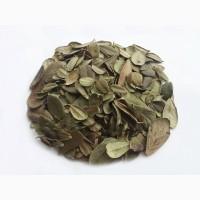
Buy lingonberry leaf, Rivne region.
Price70 UAH.
Region:all Ukraine,
Roven region.
Updated:
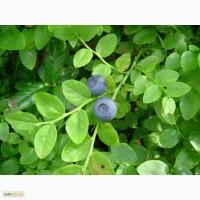
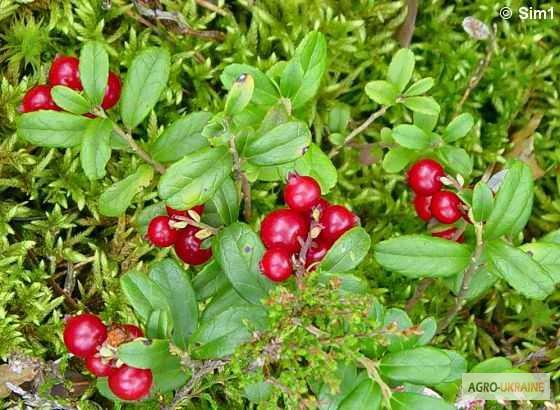
Packaging 100 grams. Drylingonberry leaf. Medicinal plant. Lingonberry leaves contain a large amount of vitamin C, vitamins of group B, especially B12, a lot of minerals (sodium, potassium, calcium, manganese, iron, phosphorus), phytoncides with antimicrobial action, citric, malic, and acetic acids. Benzoic acid, which also has an anti-inflammatory effect. A large number of vegetable proteins, which is especially important for people on a diet, to fill its losses in the body. However, one should not forget that not all properties of lingonberry leaf are suitable for all patients, for example, due to the fact that it contains tannins, people suffering from kidney pathologies should be prescribed with caution. But its effect is very good for urolithiasis and gallstone disease, as it has a laxative effect. But you need to remember that potassium and calcium can be washed out of the body, and do not overdo it, take breaks between taking decoctions and infusions from lingonberry leaves. If the acidity of the stomach is increased, you should also be careful when using decoctions and infusions from lingonberry leaves.
(//tractor-service.com)
Infusions and decoctions can be successfully drunk by people with diabetes, as it has the property of lowering blood sugar. The anti-inflammatory effect of lingonberry leaves is used in the treatment of arthritis, osteochondrosis, rheumatism, and stomach diseases. You can use weakly brewed lingonberry leaf tea if you just need to raise the tone of the body, without treating any disease.
Phytoncides contained in lingonberry leaves act as a natural antiseptic, so it is used as an adjunct in the treatment of various bacterial infections, it is especially effective against staphylococci. It is also noted that it affects phagocytosis, a process in which a special cell of the immune system, a phagocyte, as it were, eats a bacterium or virus. Therefore, it is recommended to rinse with a decoction of lingonberry leaves for diseases of the oral cavity.
(//tractor-service.com)
Infusions and decoctions can be successfully drunk by people with diabetes, as it has the property of lowering blood sugar. The anti-inflammatory effect of lingonberry leaves is used in the treatment of arthritis, osteochondrosis, rheumatism, and stomach diseases. You can use weakly brewed lingonberry leaf tea if you just need to raise the tone of the body, without treating any disease.
Phytoncides contained in lingonberry leaves act as a natural antiseptic, so it is used as an adjunct in the treatment of various bacterial infections, it is especially effective against staphylococci. It is also noted that it affects phagocytosis, a process in which a special cell of the immune system, a phagocyte, as it were, eats a bacterium or virus. Therefore, it is recommended to rinse with a decoction of lingonberry leaves for diseases of the oral cavity.
|
Shop, contacts | |
Valentin / отзывы, инфо. / activity assessment | |
|
Telephone:
(097xxxxxx
show
| |
All user ads ~163 | |
Ad ID: #568356
(added by a registered user, registration date: 02-07-2015)
Added/Updated: 09-22-2026 15:49 (relevant, until: 09-22-2027)
Permanent ad address:
Showed / watched for today: ?, total: ?
Similar ads
Among them there are many interesting...