For sale / buy
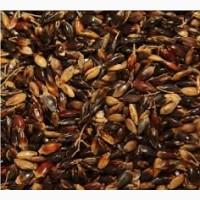
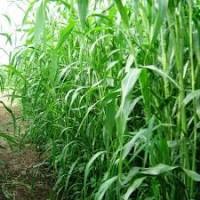
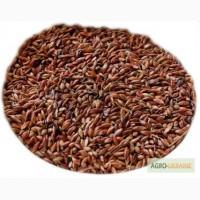
Sudanka "Golubovskaya", Dnepropetrovsk region.
Price45 UAH.
Region:all of Ukraine,
Dnepropetrovsk region.
(Dnepropetrovsk region, Pyatikhatki)
Updated:
Minimum order 0t 10
It is valued for its extremely high drought tolerance and adaptability to soil conditions, as well as for its powerful mushy root system, which improves the soil structure. It is used as a harvest crop, as well as in mixed crops (with quinoa, soybeans, vetch, sunflower, etc.)
Green manure. Under favorable conditions, it is possible to obtain more than 800 centners of green mass per hectare. Sorghum takes a lot of nutrients out of the soil, so it cannot be considered a good precursor for the crops that follow it. However, when growing sorghum in a mixture with annual legumes, as well as when applying fertilizer, it can be a good precursor. Sorghum can be sown as a harvest crop in busy and horizontal pairs.
Well loosens, drains, structures the soil, lightens it, increases air and moisture capacity. Effectively reduces clogging of fields, protects them from erosion. Protects the earth from water and wind erosion.
Heals the soil. Improves conditions for the life of soil microorganisms and worms, serves as food for them during decomposition. This, in turn, leads to a decrease in plant disease and an increase in yield. Well suppresses the development of weeds due to active regrowth and weeding.(//tractor-service.com)
It is a good fodder for livestock, especially for pigs. In terms of nutritional value, sorghum grain can be compared to cereal grains (crude protein content above 5%), but it contains a lot of tannin. For fodder purposes, sorghum is grown not only for grain, but also for hay, green fodder and silage. Sorghum hay is highly nutritious, it contains 7.17% protein. It is easy to silage. Silage from it is not inferior in nutritional value to silage from corn. According to the number of sugars, this culturesurpasses corn andsunflower.
Sorghum is undemanding to soils. This culture can grow and give good yields on light sandy, heavy clay and even saline soils, but it cannot tolerate acidic soils. Withstands salt concentration up to 0.6-0.8%.
Sudanka is undemanding to moisture. Possessing a powerful root system, it sufficiently provides itself with water from deep soil horizons during drought. The high drought resistance of Sudanka is explained not only by the presence of a powerful root system, but also by the ability to suspend growth during a period of severe lack of moisture in the soil. It is poorly adapted to flooding.
Soudanka requires a lot of heat.Seeds begin to germinate at +10-1 2°С. Seedlings develop very poorly at temperatures below +11°C, and usually die in the event of slight frosts. The most favorable temperature for the growth and development of sorghum is +32-35°C.
A short day plant. The optimal period is 10-11 hours of sunlight per day. A decrease in daylight hours causes a lengthening of the growing season. Many varieties of sudanka do not bloom at all with insufficient lighting.
It is valued for its extremely high drought tolerance and adaptability to soil conditions, as well as for its powerful mushy root system, which improves the soil structure. It is used as a harvest crop, as well as in mixed crops (with quinoa, soybeans, vetch, sunflower, etc.)
Green manure. Under favorable conditions, it is possible to obtain more than 800 centners of green mass per hectare. Sorghum takes a lot of nutrients out of the soil, so it cannot be considered a good precursor for the crops that follow it. However, when growing sorghum in a mixture with annual legumes, as well as when applying fertilizer, it can be a good precursor. Sorghum can be sown as a harvest crop in busy and horizontal pairs.
Well loosens, drains, structures the soil, lightens it, increases air and moisture capacity. Effectively reduces clogging of fields, protects them from erosion. Protects the earth from water and wind erosion.
Heals the soil. Improves conditions for the life of soil microorganisms and worms, serves as food for them during decomposition. This, in turn, leads to a decrease in plant disease and an increase in yield. Well suppresses the development of weeds due to active regrowth and weeding.(//tractor-service.com)
It is a good fodder for livestock, especially for pigs. In terms of nutritional value, sorghum grain can be compared to cereal grains (crude protein content above 5%), but it contains a lot of tannin. For fodder purposes, sorghum is grown not only for grain, but also for hay, green fodder and silage. Sorghum hay is highly nutritious, it contains 7.17% protein. It is easy to silage. Silage from it is not inferior in nutritional value to silage from corn. According to the number of sugars, this culturesurpasses corn andsunflower.
Sorghum is undemanding to soils. This culture can grow and give good yields on light sandy, heavy clay and even saline soils, but it cannot tolerate acidic soils. Withstands salt concentration up to 0.6-0.8%.
Sudanka is undemanding to moisture. Possessing a powerful root system, it sufficiently provides itself with water from deep soil horizons during drought. The high drought resistance of Sudanka is explained not only by the presence of a powerful root system, but also by the ability to suspend growth during a period of severe lack of moisture in the soil. It is poorly adapted to flooding.
Soudanka requires a lot of heat.Seeds begin to germinate at +10-1 2°С. Seedlings develop very poorly at temperatures below +11°C, and usually die in the event of slight frosts. The most favorable temperature for the growth and development of sorghum is +32-35°C.
A short day plant. The optimal period is 10-11 hours of sunlight per day. A decrease in daylight hours causes a lengthening of the growing season. Many varieties of sudanka do not bloom at all with insufficient lighting.
|
Shop, contacts | |
SFG "Zoryane" / отзывы, INFO. / Estimation of activity | |
|
Phone:
(067xxxxxx
показать
| |
| http://zoriane.com | |
| facebook.com/groups/zoriane | |
All ads user ~13 | |
Ad ID: #427377
(added by a registered user, registration date: 01-16-2012)
Added/Updated: 09-21-2026 21:18 (relevant, until: 12-20-2026)
Permanent ad address:
Showed / watched for today: ?, total: ?