For sale / buy
Chickpea seeds Triumf, Sumskaya region.
Region:
Sumy region.
(Sumy)
Grain purpose: Sowing material
Biological features
Annual plant. The stem is erect, covered with glandular hairs. Height reaches 20-70 cm.
Leaves odd-pinnate.
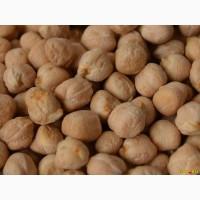
Beans are short, swollen, each with 1-3 seeds. The shape of the seed is similar to the head of a ram or an owl, it has a bumpy and rough surface. The color is from yellow to very dark. The weight of 1000 grains varies from 150 to 300 grams, depending on the variety.
The plant is self-pollinating, so pollination most often occurs in the closed flower phase, but sometimes cross-pollination is also possible.
Usage
Nowadays, chickpeas are grown and eaten mainly in the countries of Western and Central Asia (India, Pakistan, Turkey), North Africa and North America (Mexico). Hummus and falafel snacks are made from it. Chickpeas are actively used in vegetarian cuisine and in Vedic cooking. Chickpeas are also traditionally used in the Mediterranean region.
Із chickpeas are used to make chickpea flour, which is used in Indian cuisine. And in Italian cuisine, for example, it is used to prepare farinata cakes, although the amount of chickpea cultivation in Italy itself is insignificant.
White-seeded chickpea varieties are mainly used for food. Heat treatment takes much longer than for lentils and peas.
Straw and green mass is fed to sheep.
Chickpea seeds - Triumph variety
The variety is medium-ripening, the duration of the growing season is 94-98 days, it blooms on the 30th-35th day after the emergence of seedlings. The shape of the bush is half-stemmed, the height of the plants is 55-60 cm, the attachment of the lower bean is 20-22 cm. The stem, leaves and stipules are light green, there is no anthocyanin pigmentation. Leaflets without a wax coating, 0.4 x 1.1 cm in size, lanceolate in shape, the edges of the leaves are sharply jagged. The flowers are large, white, single, the sail is naked, the peduncle is short. The beans are large, 2.0 x 2.3 cm in size, rhombic-shaped, light green, straw-yellow when ripe, the nose is short, the average number of seeds in a bean is 1.1. The seeds are large, the shape is intermediate, the surface is wrinkled, beige, the weight of 1000 seeds is 410-415 g, the stigma is ovoid, the color of the stigma and nose is yellow. Drought resistance is high, relatively resistant to ascochitosis and fusarium. 28-30% protein accumulates in the seeds.
High-yielding, the average yield over the years of testing was 1.69 t/ha compared to 1.44 t/ha according to the national standard, which is 0.11 t/ha more than the Antei variety. In 2005, a seed yield of more than 2.1 t/ha was obtained at the breeding sites of the variety in SGI.
Summary characteristics
Description of the bean
The seeds are large
The seed form is intermediate
The shape of the bean is rhombic.
The color of the seeds is beige.
There are 1 to 2 seeds in a bean.
The weight of 1000 seeds is 410-415 g
Contains 28-30% protein(//tractor-service.com)
Description
Group of varieties
Type annual plant
The ripening period is medium-ripe
Purpose in cooking
Growing areas Ukraine, Moldova
Taste qualities are good.
Resistance to diseases is relatively resistant to ascochitosis and fusariosis.
Drought resistance
Features of agricultural machinery
The period from germination to technical ripeness is 94-98 days.
Sowing in April, May.
Sowing scheme row sowing: 30-45 cm between rows; tape
Sowing depth
sowing: 50 cm between strips, 20 cm between rows; with sufficient moisture 6-8 cm, with average - 9-10 cm
Recommended landing
the main condition for the placement of the culture is a slight clogging of the site and the absence of perennial rhizome weeds.
Plant care
One preemergence and two postemergence harrowings should be used to destroy weed seedlings.
Plant
The shape of the bush is semi-stemmed
The leaves are light green
The peduncle is short.
Anthocyanin pigmentation of the stem is absent.
Height (cm) 55-60 cm
The flowers are large, white, single.
The height of attachment of the lower beans is 20-22 cm.
Productivity
During the growing season, 1.69 t/ha
More information - http://orion-bioteh.prom.ua/p35834970-semena-nutu-sort.html
Annual plant. The stem is erect, covered with glandular hairs. Height reaches 20-70 cm.
Leaves odd-pinnate.
Beans are short, swollen, each with 1-3 seeds. The shape of the seed is similar to the head of a ram or an owl, it has a bumpy and rough surface. The color is from yellow to very dark. The weight of 1000 grains varies from 150 to 300 grams, depending on the variety.
The plant is self-pollinating, so pollination most often occurs in the closed flower phase, but sometimes cross-pollination is also possible.
Usage
Nowadays, chickpeas are grown and eaten mainly in the countries of Western and Central Asia (India, Pakistan, Turkey), North Africa and North America (Mexico). Hummus and falafel snacks are made from it. Chickpeas are actively used in vegetarian cuisine and in Vedic cooking. Chickpeas are also traditionally used in the Mediterranean region.
Із chickpeas are used to make chickpea flour, which is used in Indian cuisine. And in Italian cuisine, for example, it is used to prepare farinata cakes, although the amount of chickpea cultivation in Italy itself is insignificant.
White-seeded chickpea varieties are mainly used for food. Heat treatment takes much longer than for lentils and peas.
Straw and green mass is fed to sheep.
Chickpea seeds - Triumph variety
The variety is medium-ripening, the duration of the growing season is 94-98 days, it blooms on the 30th-35th day after the emergence of seedlings. The shape of the bush is half-stemmed, the height of the plants is 55-60 cm, the attachment of the lower bean is 20-22 cm. The stem, leaves and stipules are light green, there is no anthocyanin pigmentation. Leaflets without a wax coating, 0.4 x 1.1 cm in size, lanceolate in shape, the edges of the leaves are sharply jagged. The flowers are large, white, single, the sail is naked, the peduncle is short. The beans are large, 2.0 x 2.3 cm in size, rhombic-shaped, light green, straw-yellow when ripe, the nose is short, the average number of seeds in a bean is 1.1. The seeds are large, the shape is intermediate, the surface is wrinkled, beige, the weight of 1000 seeds is 410-415 g, the stigma is ovoid, the color of the stigma and nose is yellow. Drought resistance is high, relatively resistant to ascochitosis and fusarium. 28-30% protein accumulates in the seeds.
High-yielding, the average yield over the years of testing was 1.69 t/ha compared to 1.44 t/ha according to the national standard, which is 0.11 t/ha more than the Antei variety. In 2005, a seed yield of more than 2.1 t/ha was obtained at the breeding sites of the variety in SGI.
Summary characteristics
Description of the bean
The seeds are large
The seed form is intermediate
The shape of the bean is rhombic.
The color of the seeds is beige.
There are 1 to 2 seeds in a bean.
The weight of 1000 seeds is 410-415 g
Contains 28-30% protein(//tractor-service.com)
Description
Group of varieties
Type annual plant
The ripening period is medium-ripe
Purpose in cooking
Growing areas Ukraine, Moldova
Taste qualities are good.
Resistance to diseases is relatively resistant to ascochitosis and fusariosis.
Drought resistance
Features of agricultural machinery
The period from germination to technical ripeness is 94-98 days.
Sowing in April, May.
Sowing scheme row sowing: 30-45 cm between rows; tape
Sowing depth
sowing: 50 cm between strips, 20 cm between rows; with sufficient moisture 6-8 cm, with average - 9-10 cm
Recommended landing
the main condition for the placement of the culture is a slight clogging of the site and the absence of perennial rhizome weeds.
Plant care
One preemergence and two postemergence harrowings should be used to destroy weed seedlings.
Plant
The shape of the bush is semi-stemmed
The leaves are light green
The peduncle is short.
Anthocyanin pigmentation of the stem is absent.
Height (cm) 55-60 cm
The flowers are large, white, single.
The height of attachment of the lower beans is 20-22 cm.
Productivity
During the growing season, 1.69 t/ha
More information - http://orion-bioteh.prom.ua/p35834970-semena-nutu-sort.html
Advertisement ID: #271492
(added by a registered user)
Permanent ad address:
Showed / watched for today: ?, total: ?