Sell / buy
Permanganate potassium, Dnepropetrovsk region.
Price350 UAH.
Region:all Ukraine,
Dnepropetrovsk region region.
Updated:
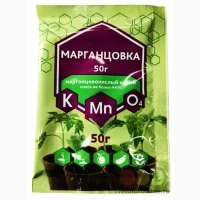
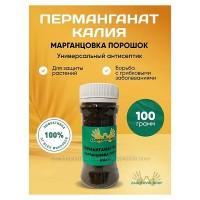
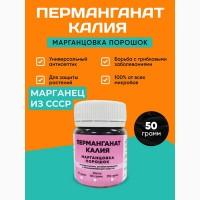
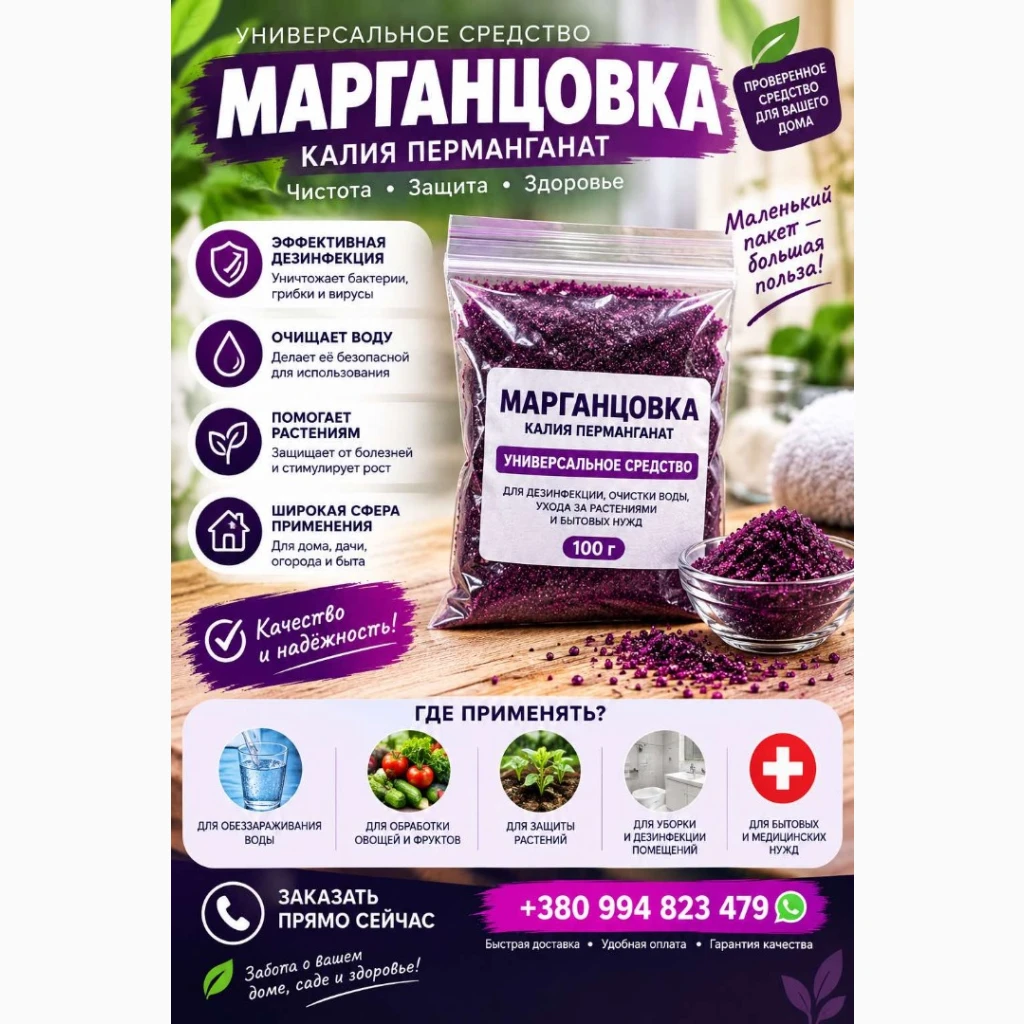
Permanganate by weight in a jar of 50 grams
has long been and successfully used not only in medicine, but also in horticulture. And although today the choice of antiseptic agents and fertilizers is very large, many people prefer ordinary manganese to them. Potassium permanganate has antiseptic and antimicrobial properties.
It is used for disinfecting wounds, gargling, etc. Potassium permanganate for the garden is used as a fungicide, that is, it protects plants and seeds from the development of fungal diseases, mold and rot. Manganese is produced in small bubbles in powder form.
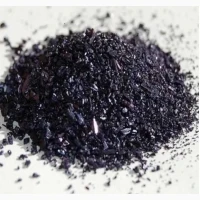
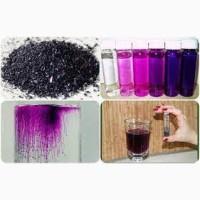
Potassium permanganate crystals have a dark purple color. They dissolve well in water, coloring it in a light pink color if the concentration is weak or in dark purple shades during its increase. In vegetation, potassium permanganate is used in solutions of different concentrations and for different purposes.
Manganese is one of the most popular household antimicrobial drugs for external use. A fresh solution of potassium permanganate has a strong oxidizing activity. Applying this solution to the surface of the bird's body can destroy any pathogens on it, that is, it allows to sterilize it. A powerful antiseptic. It is widely used for disinfecting planting material and combating plant diseases. Disinfection of seeds, tubers and bulbs. Prepare a strong maroon solution.(//tractor-service.com)
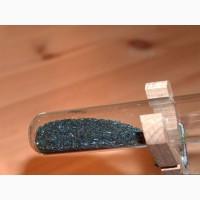
Potassium permanganate, or potassium permanganate (KMnO4), commonly called permanganate, is a salt of manganous acid in the form of a powder of small dark purple crystals with a blue-steel luster. Potassium permanganate dissolves well in water, giving it that characteristic purple (and strongly diluted - pink) color.
Being a strong oxidizer, it has a pronounced antimicrobial (antiseptic) effect, which is based on the fact that in aqueous solutions in the presence of substances that are easily oxidized, oxygen gas is energetically split off from it, which is the strongest antiseptic. After that, poorly soluble brown manganese oxide that remains after that, during interaction with tissue proteins, forms complex compounds of the albuminate type, which bind the binding properties of potassium permanganate, but only when it is used in small concentrations. At a higher concentration, the action of potassium permanganate becomes irritating and inflammatory. The deodorizing effect of the potassium permanganate solution is also explained by the release of oxygen: the oxidation of buttermilk volatile substances occurs.
This drug has long been widely used in the treatment of various diseases and for first aid. Therefore, a test tube with potassium permanganate powder must be in every home medicine cabinet.
As a disinfectant, potassium permanganate is often used to wash the stomach in case of acute poisoning by various poisonous substances. For this, they make a red, but transparent (0.02-0.1 percent) aqueous solution of potassium permanganate, which is given to the sufferer to drink, after which they induce vomiting. The very unpleasant taste of this solution also contributes to involuntary cleansing of the stomach. However, due to the fact that some of the crystals may not dissolve and lead to burns of the gastric mucosa, it is better to prepare a saturated solution of potassium permanganate in advance, and then add it to the washing water in the required concentration.
During diarrhea, it is recommended to drink a glass of pale pink potassium permanganate solution in the morning and in the evening. Usually, even one-time use of this remedy is enough to stop diarrhea.
has long been and successfully used not only in medicine, but also in horticulture. And although today the choice of antiseptic agents and fertilizers is very large, many people prefer ordinary manganese to them. Potassium permanganate has antiseptic and antimicrobial properties.
It is used for disinfecting wounds, gargling, etc. Potassium permanganate for the garden is used as a fungicide, that is, it protects plants and seeds from the development of fungal diseases, mold and rot. Manganese is produced in small bubbles in powder form.
Potassium permanganate crystals have a dark purple color. They dissolve well in water, coloring it in a light pink color if the concentration is weak or in dark purple shades during its increase. In vegetation, potassium permanganate is used in solutions of different concentrations and for different purposes.
Manganese is one of the most popular household antimicrobial drugs for external use. A fresh solution of potassium permanganate has a strong oxidizing activity. Applying this solution to the surface of the bird's body can destroy any pathogens on it, that is, it allows to sterilize it. A powerful antiseptic. It is widely used for disinfecting planting material and combating plant diseases. Disinfection of seeds, tubers and bulbs. Prepare a strong maroon solution.(//tractor-service.com)
Potassium permanganate, or potassium permanganate (KMnO4), commonly called permanganate, is a salt of manganous acid in the form of a powder of small dark purple crystals with a blue-steel luster. Potassium permanganate dissolves well in water, giving it that characteristic purple (and strongly diluted - pink) color.
Being a strong oxidizer, it has a pronounced antimicrobial (antiseptic) effect, which is based on the fact that in aqueous solutions in the presence of substances that are easily oxidized, oxygen gas is energetically split off from it, which is the strongest antiseptic. After that, poorly soluble brown manganese oxide that remains after that, during interaction with tissue proteins, forms complex compounds of the albuminate type, which bind the binding properties of potassium permanganate, but only when it is used in small concentrations. At a higher concentration, the action of potassium permanganate becomes irritating and inflammatory. The deodorizing effect of the potassium permanganate solution is also explained by the release of oxygen: the oxidation of buttermilk volatile substances occurs.
This drug has long been widely used in the treatment of various diseases and for first aid. Therefore, a test tube with potassium permanganate powder must be in every home medicine cabinet.
As a disinfectant, potassium permanganate is often used to wash the stomach in case of acute poisoning by various poisonous substances. For this, they make a red, but transparent (0.02-0.1 percent) aqueous solution of potassium permanganate, which is given to the sufferer to drink, after which they induce vomiting. The very unpleasant taste of this solution also contributes to involuntary cleansing of the stomach. However, due to the fact that some of the crystals may not dissolve and lead to burns of the gastric mucosa, it is better to prepare a saturated solution of potassium permanganate in advance, and then add it to the washing water in the required concentration.
During diarrhea, it is recommended to drink a glass of pale pink potassium permanganate solution in the morning and in the evening. Usually, even one-time use of this remedy is enough to stop diarrhea.
|
Author, contacts | |
Andrei Mykhailovych/ отзывы, инфо./ activity rating Date of registration (on site): 25.08.2026 | |
|
Phone:
0759xxxxxx
show
| |
All user ads ~3 | |
Ad ID: #1389908
(added by a registered user, registration date: 25-08-2026)
Added/Updated: 09-23-2026 10:58 (current, until: 09-23-2027)
Permanent ad address:
Showed / watched for today: ?, total: ?
Similar ads
Among them there are many interesting ones...