/ Seeds, seedlings and sowing materials / Seedlings of fruit trees / Seedlings of apple trees / Seedlings of Jonathan's apple tree
For sale / buy
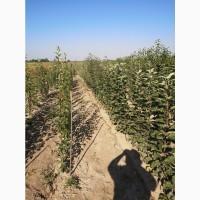
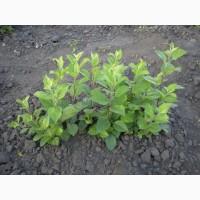
Jonathan apple seedlings, Chernivtsi region.
Price90 UAH.
Region:all Ukraine,
Chernovitskaya region.
(Vashkivtsi)
Updated:
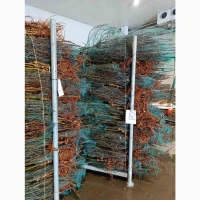
Qualityseedlings available on rootstock mm-106, m9, m26
There are one-year and two-year quality seedlings
For wholesale buyers, prices are negotiated individually!!
Details by phone
WhatsApp and Viber
The Jonathan apple tree is a well-known American heirloom variety prized for its sweet-sourmedium-sized apples that are ideal for both fresh eating and baking.
Characteristics of fruits and trees
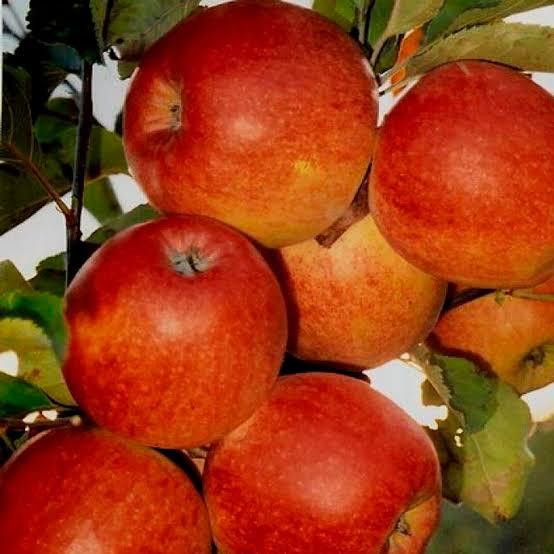
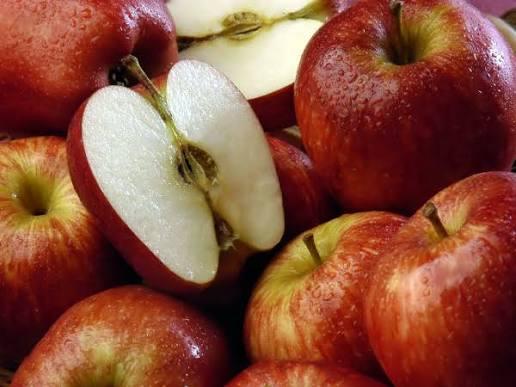
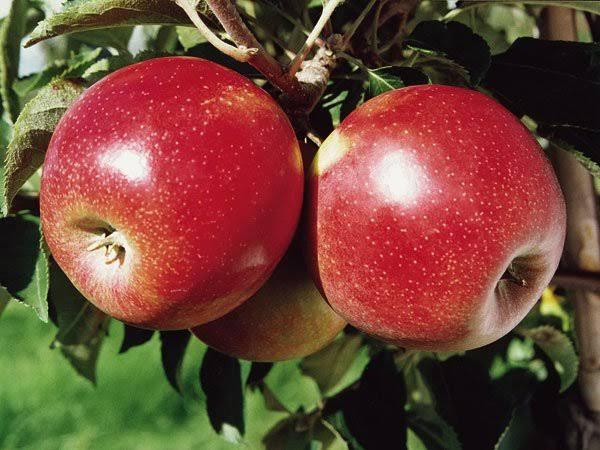
Fruits: apples are usually medium-sized, round or slightly conical in shape. The skin is thin, but strong, smooth, has a yellow-green background, is almost completely covered with a bright red or crimson blush, sometimes with barely noticeable stripes.
Flesh: white with a slight greenish tint or ivory color, fine-grained, tender, juicy and crispy.(//tractor-service.com)
Taste: excellent, sweet-sour, rich, with piquant sourness and aroma.
Usage: universal. Great for fresh consumption, making pies, sauces,purées, cider and drying.
Tree: moderately vigorous, has a tendency to compact growth and a rounded crown shape. Fruits well, often needs thinning of the ovary to obtain larger fruits.
Planting and care
Planting location: needs a well-lit location with full sun (minimum 6-8 hours of direct sun daily) for optimal growth and fruit quality.
Soil: Grows best in deep, fertile, well-drained soil. It is important to avoid areas where water stagnates. The ideal soil pH level is about 6.5.
Watering: Requires regular deep watering, especially in the first years after planting, to promote the formation of a strong root system.
Pruning: Annual pruning at the end of winter will help maintain the shape of the tree, remove damaged branches and ensure good air circulation within the crown.
Pollination: Although the Jonathan variety is considered partially self-fertile, cross-pollination with other varieties greatly improves yield and fruit quality. Gala, Golden Delicious, Granny Smith and Red Delicious are good pollinators.
Resistance to diseases and pests
The Jonathan apple tree can be susceptible to certain diseases, including powdery mildew, apple scab, bacterial blight, and brown rot. It is recommended to apply preventive measures and use appropriate methods of pest control, for example, neem oil against aphids and other insects.
There are one-year and two-year quality seedlings
For wholesale buyers, prices are negotiated individually!!
Details by phone
WhatsApp and Viber
The Jonathan apple tree is a well-known American heirloom variety prized for its sweet-sourmedium-sized apples that are ideal for both fresh eating and baking.
Characteristics of fruits and trees
Fruits: apples are usually medium-sized, round or slightly conical in shape. The skin is thin, but strong, smooth, has a yellow-green background, is almost completely covered with a bright red or crimson blush, sometimes with barely noticeable stripes.
Flesh: white with a slight greenish tint or ivory color, fine-grained, tender, juicy and crispy.(//tractor-service.com)
Taste: excellent, sweet-sour, rich, with piquant sourness and aroma.
Usage: universal. Great for fresh consumption, making pies, sauces,purées, cider and drying.
Tree: moderately vigorous, has a tendency to compact growth and a rounded crown shape. Fruits well, often needs thinning of the ovary to obtain larger fruits.
Planting and care
Planting location: needs a well-lit location with full sun (minimum 6-8 hours of direct sun daily) for optimal growth and fruit quality.
Soil: Grows best in deep, fertile, well-drained soil. It is important to avoid areas where water stagnates. The ideal soil pH level is about 6.5.
Watering: Requires regular deep watering, especially in the first years after planting, to promote the formation of a strong root system.
Pruning: Annual pruning at the end of winter will help maintain the shape of the tree, remove damaged branches and ensure good air circulation within the crown.
Pollination: Although the Jonathan variety is considered partially self-fertile, cross-pollination with other varieties greatly improves yield and fruit quality. Gala, Golden Delicious, Granny Smith and Red Delicious are good pollinators.
Resistance to diseases and pests
The Jonathan apple tree can be susceptible to certain diseases, including powdery mildew, apple scab, bacterial blight, and brown rot. It is recommended to apply preventive measures and use appropriate methods of pest control, for example, neem oil against aphids and other insects.
|
Автор, контакты | |
Виктор / отзывы, инфо. / оценка activities | |
|
Phone:
+380xxxxxx
show
| |
| Whatsapp: +380960566582 | |
All user ads ~18 | |
Ad ID: #1359643
(added by a registered user, registration date: 07-16-2024)
Added / Updated: 04-14-2026 22:19 (relevant, until: 04-14-2027)
Permanent ad address:
Showed / watched for today: ?, total: ?
Similar ads
Among them there are many interesting...



All Ukraine: Seeds, seedlings and sowing materials 1204 / Seedlings of fruit trees 147 / Seedlings apple tree 12
Chernovitskaya region: Seeds, seedlings and sowing materials 40 / Fruit seedlings trees 31 / Seedlings of apple trees 6