Sell / buy
Vyka Yara, Zhytomyr region.
Region:all of Ukraine,
Zhytomyr region.
(Lisivka)
Updated:
Grain purpose: Seed material
Vica yara (Vicia sativa L.) is the most common annual legume. It is grown in the forest-steppe and steppe regions of Ukraine.
In terms of fodder value, vetch is not inferior to perennial legumes: 100 kg of air-dry weight corresponds to 46 fodder. unit and contain 123 g of digestible protein per feed unit.
Wild vetch is a valuable steaming crop. The productivity of winter wheat and rye after the rye-oat mixture, harvested for green fodder or hay, is slightly inferior to their productivity in pure steam.
At a high level of agricultural technology, the yield of green mass of the vetch-oat mixture was 200 - 300, and that of hay was 40 - 60 t/ha. In the experiments of the Odesa Agricultural Institute, the yield of vetch green mass was equal to 350, andseeds 18 t/ha.
(//tractor-service.com)
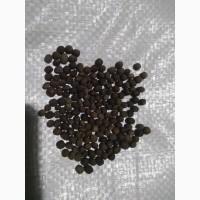
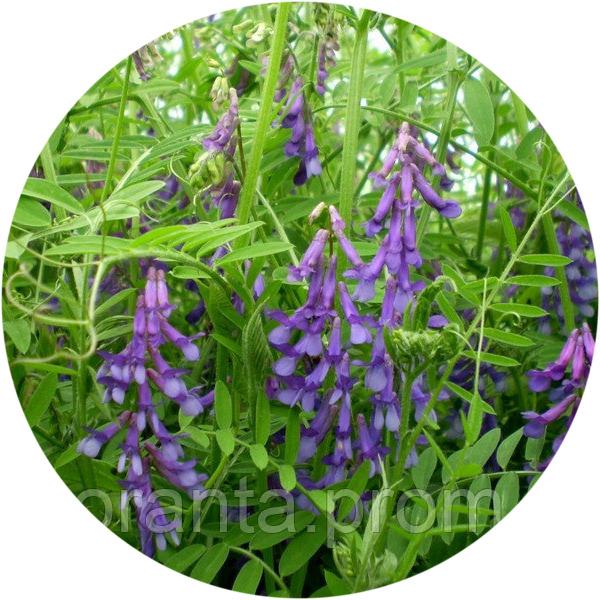
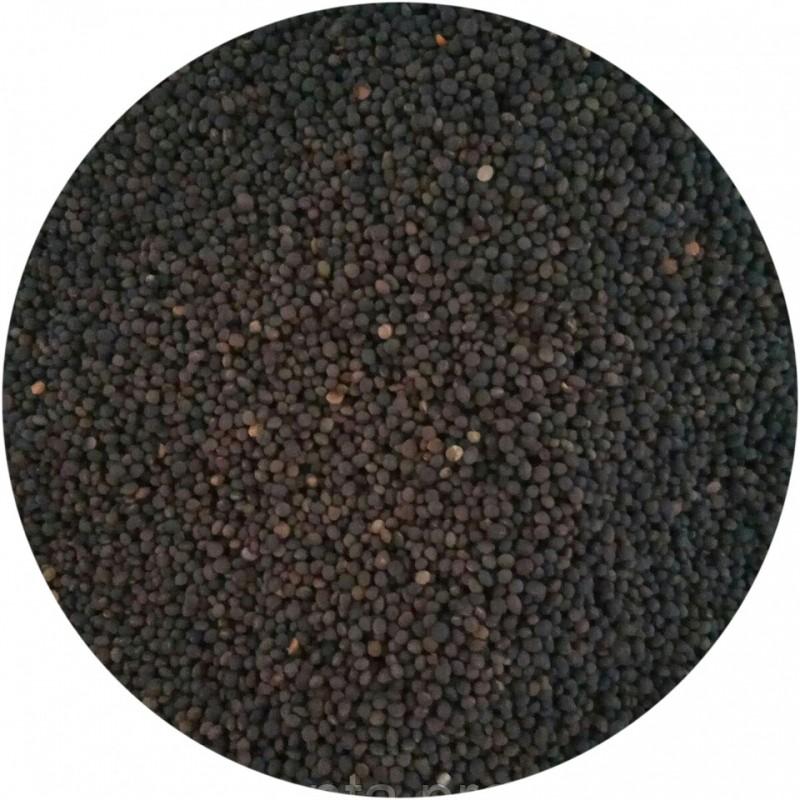
Morphobiological features. The vetch has a well-developed root system. Its stem is thin, prostrate, 100-120 cm tall or more. The leaves are pinnate, ending in tendrils. The flowers are red-purple or red, sitting in the axils of the leaves. The fruit is a multi-seeded bean that cracks easily when the seeds ripen. The seeds are dark, gray-green or white. The weight of 1000 seeds is 50 - 75 g. Keeps germination for 6-8 years.
Wild vetch is a cold-resistant, moisture-loving plant. Its seeds begin to germinate at a temperature of 2 — 3 °C, and seedlings withstand frosts down to minus 5 — 6 °C and below. When the cotyledon germinates, the seeds do not reach the surface of the soil, so it can be wrapped to a depth of 5 — 6 cm. The vetch grows well on neutral and weakly acidic soils. It is picky about the moisture content in the soil, especially during the period of flowering and fruit formation. The vegetation period lasts 75 - 90 days.
Cultivation technology. Spring vetch crops are placed for hay and green fodder in a steam field, and for grain - in a spring field. The best predecessors for it arecorn, potatoes and sugar beets.
When growing vetch for seeds and hay, sowing is carried out simultaneously with early spring crops. For green fodder, it is sown in several seasons: in the early - mixed with oats, in the late - with sudanka, etc. The method of sowing is the usual row. The sowing rate of vetch for growing in a mixture with oats for hay and green fodder is 100 — 120 kg/ha (oats 50 — 75 kg/ha), depending on the area of cultivation. For seeds, vetch is grown in clean crops, sowing 120-160 kg/ha of grain. They wrap the seeds to a depth of 4 — 5, and in dry weather 6 — 7 cm. The crops are rolled with heavy rollers with simultaneous harrowing with seed harrows.
Harvesting for hay and green fodder begins in the period of full flowering, and for hay and silage - in the phase of graybeans. Seeds are stored at a humidity of no more than 15%.
In terms of fodder value, vetch is not inferior to perennial legumes: 100 kg of air-dry weight corresponds to 46 fodder. unit and contain 123 g of digestible protein per feed unit.
Wild vetch is a valuable steaming crop. The productivity of winter wheat and rye after the rye-oat mixture, harvested for green fodder or hay, is slightly inferior to their productivity in pure steam.
At a high level of agricultural technology, the yield of green mass of the vetch-oat mixture was 200 - 300, and that of hay was 40 - 60 t/ha. In the experiments of the Odesa Agricultural Institute, the yield of vetch green mass was equal to 350, andseeds 18 t/ha.
(//tractor-service.com)
Morphobiological features. The vetch has a well-developed root system. Its stem is thin, prostrate, 100-120 cm tall or more. The leaves are pinnate, ending in tendrils. The flowers are red-purple or red, sitting in the axils of the leaves. The fruit is a multi-seeded bean that cracks easily when the seeds ripen. The seeds are dark, gray-green or white. The weight of 1000 seeds is 50 - 75 g. Keeps germination for 6-8 years.
Wild vetch is a cold-resistant, moisture-loving plant. Its seeds begin to germinate at a temperature of 2 — 3 °C, and seedlings withstand frosts down to minus 5 — 6 °C and below. When the cotyledon germinates, the seeds do not reach the surface of the soil, so it can be wrapped to a depth of 5 — 6 cm. The vetch grows well on neutral and weakly acidic soils. It is picky about the moisture content in the soil, especially during the period of flowering and fruit formation. The vegetation period lasts 75 - 90 days.
Cultivation technology. Spring vetch crops are placed for hay and green fodder in a steam field, and for grain - in a spring field. The best predecessors for it arecorn, potatoes and sugar beets.
When growing vetch for seeds and hay, sowing is carried out simultaneously with early spring crops. For green fodder, it is sown in several seasons: in the early - mixed with oats, in the late - with sudanka, etc. The method of sowing is the usual row. The sowing rate of vetch for growing in a mixture with oats for hay and green fodder is 100 — 120 kg/ha (oats 50 — 75 kg/ha), depending on the area of cultivation. For seeds, vetch is grown in clean crops, sowing 120-160 kg/ha of grain. They wrap the seeds to a depth of 4 — 5, and in dry weather 6 — 7 cm. The crops are rolled with heavy rollers with simultaneous harrowing with seed harrows.
Harvesting for hay and green fodder begins in the period of full flowering, and for hay and silage - in the phase of graybeans. Seeds are stored at a humidity of no more than 15%.
|
Author, contacts | |
DP "Oranta" LLC NVMP "Antaria" / отзывы, инфо. / evaluation activities | |
|
Telephone:
(067xxxxxx
show
| |
| Telegram: @volynetsroma | |
| Viber: +380679889849 | |
| Whatsapp: +380679889849 | |
| http://dporanta.prom.ua | |
| facebook.com/dporantaantarialtd | |
| instagram.com/dp_oranta_tov_antaria | |
Ad ID: #1324525
(added by a registered user, registration date: 02-06-2012)
Added / Updated: 09-23-2026 11:22 (current, until: 09-23-2027)
Permanent ad address:
Showed / watched for today: ?, total: ?