Sell / buy
Winter peas "NS Moroz" 1 reproduction, Kyiv
Region:all of Ukraine,
Kyiv
Designation grains: Food grain
Winter peas "NS Moroz"
Manufacturer - YugAgroleader
Originator: NS Seme (Novi sadi, Serbia)
Harvest year - 2023
1 Reproduction
Packaging: 25 kg bags
Vegetation - 250 days
Yield:
- in bad conditions: 2.5 - 3.0 t/ha
- under normal conditions: 3.5 - 5.0 t/ha
- in favorable conditions: 5.5 - 6.2 t/ha
Plant type - standing.
Plant height: 60 cm - 80 cm
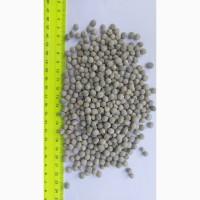
Weight of 1,000 seeds: 180-200g
Protein content: 23-25%
NS Moroz is the first Serbian winter variety of proteinpeas, intended for grain production. The variety was created by the "pedigree" method of selection from a hybrid population.
Very early grade, uniform ripening. Excellent tolerates low temperatures.(//tractor-service.com)
In terms of resistance to low temperatures in the conditions of Ukraine, this variety is on a par with winter wheat.
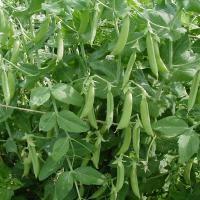
Plants - of limited growth, 60-80 cm high, with frequent nodules in the lower part of the stem, which increases the tolerance to lodging. Plants are branching and have two stems on average.
The NS Moroz variety has an aphylla (whiskered) leaf type, which allows plants to be tied at the early stages of growth and development, so that the sowing remains non-emergent. This allows harvesting easier and without loss of grain.
The flower is white. The pods are located in the upper part of the stem, which also significantly reduces losses during mechanized harvesting. The number of pods per plant varies between 10 and 14. The grain is round in shape, from light cream to light green in color.
The variety is ultra-early ripe, sown from September 15 to October 20, taking into account the region and season, cleaning is carried out ten days before harvesting winter barley, on average from June 10 to 15. It reaches a grain yield of 4.0 - 6.2 t/ha.
The mass of a thousand seeds is 180-200 g. The average content of raw proteins in the grain is 23-25%.
Cultivation technology
Crop rotation: It is recommended to sow peas in the same place only after three years. Good predecessors forpeas are grain and row crops, such as: corn, potatoes, sunflower, etc. Peas are one of the best precursors.
Land requirements: The best results are achieved on soil that is well supplied with moisture. The area intended for pea growing must be flat, uncluttered and free from the destructive effects of erosion and flooding. Areas with such weeds as field poppy and field thistle are particularly unfavorable for growing peas.
The optimal soil pH for growing peas is 6.8 - 7.4.
Soil cultivation: The main cultivation is carried out in autumn, to a depth of 20 to 25 cm.
Pre-sowing cultivation is done to a depth of 8 to 10 cm (1-2 times). After primary processing and pre-sowing preparation, the land should be split and well leveled. In this way, lodging is reduced, harvesting is done better, and seed loss is reduced.
Fertilizer: The basis of fodder pea nutrition is nitrogen symbiosis, that is, nitrogen fixation formed by bacteria. Peas only in the early stages of development require the presence of nitrogen in an accessible form on the soil surface. The maximum amount of fertilizer for peas is 40-50 kg/ha of active nitrogen substances, 60 kg/ha of P2Oz and 60 kg/ha of K2O. The exact amount is determined after soil fertility analysis. The required amount of phosphorus and potassium is applied before plowing, and nitrogen in pre-sowing preparation.
Sowing: Peas should be sown like winter wheat when weather conditions and soil condition allow. In the agro-ecological conditions of Ukraine, the optimal period for sowing peas is October 1-10.
Sowing density: Sowing density should be 100-110 plants per square meter.
Sowing should be done with seed drills with a distance between rows of 15 cm. The depth of sowing should be 3-5 cm. Taking into account the weight of 1000 seeds, the required density of sowing and the consumer value of seeds, the sowing rate is 250 kg / ha. After sowing, it is necessary to roll the seeds so that the contact between the seeds and the ground is maximum, the flowering is uniform, and the seedlings are well developed. Rolling should not occur on heavy, clay soils, especially in the early days of sowing.
Harvesting: Due to the frequent lodging of the crop, harvesting andproduction of pea seeds requires special attention. Pea seeds ripen quickly. When the moisture content in the grain is about 40%, the plant still has green leaves. From this moment, the moisture content in the seeds decreases greatly and in a short time reaches 18%, then you can start harvesting.
The NS Moroz variety in the agro-ecological conditions of Ukraine can be harvested on June 15, approximately two weeks before the harvesting of winter barley.
Manufacturer - YugAgroleader
Originator: NS Seme (Novi sadi, Serbia)
Harvest year - 2023
1 Reproduction
Packaging: 25 kg bags
Vegetation - 250 days
Yield:
- in bad conditions: 2.5 - 3.0 t/ha
- under normal conditions: 3.5 - 5.0 t/ha
- in favorable conditions: 5.5 - 6.2 t/ha
Plant type - standing.
Plant height: 60 cm - 80 cm
Weight of 1,000 seeds: 180-200g
Protein content: 23-25%
NS Moroz is the first Serbian winter variety of proteinpeas, intended for grain production. The variety was created by the "pedigree" method of selection from a hybrid population.
Very early grade, uniform ripening. Excellent tolerates low temperatures.(//tractor-service.com)
In terms of resistance to low temperatures in the conditions of Ukraine, this variety is on a par with winter wheat.
Plants - of limited growth, 60-80 cm high, with frequent nodules in the lower part of the stem, which increases the tolerance to lodging. Plants are branching and have two stems on average.
The NS Moroz variety has an aphylla (whiskered) leaf type, which allows plants to be tied at the early stages of growth and development, so that the sowing remains non-emergent. This allows harvesting easier and without loss of grain.
The flower is white. The pods are located in the upper part of the stem, which also significantly reduces losses during mechanized harvesting. The number of pods per plant varies between 10 and 14. The grain is round in shape, from light cream to light green in color.
The variety is ultra-early ripe, sown from September 15 to October 20, taking into account the region and season, cleaning is carried out ten days before harvesting winter barley, on average from June 10 to 15. It reaches a grain yield of 4.0 - 6.2 t/ha.
The mass of a thousand seeds is 180-200 g. The average content of raw proteins in the grain is 23-25%.
Cultivation technology
Crop rotation: It is recommended to sow peas in the same place only after three years. Good predecessors forpeas are grain and row crops, such as: corn, potatoes, sunflower, etc. Peas are one of the best precursors.
Land requirements: The best results are achieved on soil that is well supplied with moisture. The area intended for pea growing must be flat, uncluttered and free from the destructive effects of erosion and flooding. Areas with such weeds as field poppy and field thistle are particularly unfavorable for growing peas.
The optimal soil pH for growing peas is 6.8 - 7.4.
Soil cultivation: The main cultivation is carried out in autumn, to a depth of 20 to 25 cm.
Pre-sowing cultivation is done to a depth of 8 to 10 cm (1-2 times). After primary processing and pre-sowing preparation, the land should be split and well leveled. In this way, lodging is reduced, harvesting is done better, and seed loss is reduced.
Fertilizer: The basis of fodder pea nutrition is nitrogen symbiosis, that is, nitrogen fixation formed by bacteria. Peas only in the early stages of development require the presence of nitrogen in an accessible form on the soil surface. The maximum amount of fertilizer for peas is 40-50 kg/ha of active nitrogen substances, 60 kg/ha of P2Oz and 60 kg/ha of K2O. The exact amount is determined after soil fertility analysis. The required amount of phosphorus and potassium is applied before plowing, and nitrogen in pre-sowing preparation.
Sowing: Peas should be sown like winter wheat when weather conditions and soil condition allow. In the agro-ecological conditions of Ukraine, the optimal period for sowing peas is October 1-10.
Sowing density: Sowing density should be 100-110 plants per square meter.
Sowing should be done with seed drills with a distance between rows of 15 cm. The depth of sowing should be 3-5 cm. Taking into account the weight of 1000 seeds, the required density of sowing and the consumer value of seeds, the sowing rate is 250 kg / ha. After sowing, it is necessary to roll the seeds so that the contact between the seeds and the ground is maximum, the flowering is uniform, and the seedlings are well developed. Rolling should not occur on heavy, clay soils, especially in the early days of sowing.
Harvesting: Due to the frequent lodging of the crop, harvesting andproduction of pea seeds requires special attention. Pea seeds ripen quickly. When the moisture content in the grain is about 40%, the plant still has green leaves. From this moment, the moisture content in the seeds decreases greatly and in a short time reaches 18%, then you can start harvesting.
The NS Moroz variety in the agro-ecological conditions of Ukraine can be harvested on June 15, approximately two weeks before the harvesting of winter barley.
Ad ID: #1261852
(added by registered by the user)
Permanent ad address:
Showed / watched for today: ?, total: ?