For sale / buy
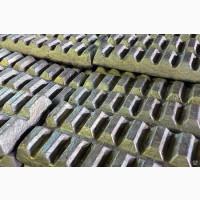
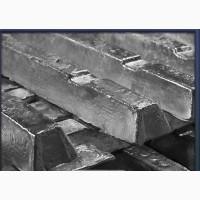
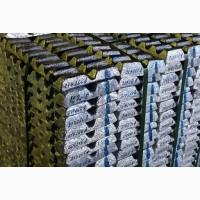
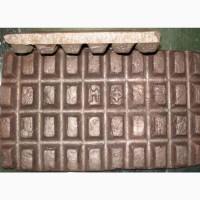
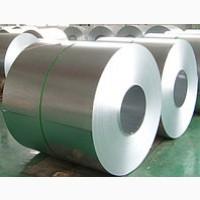
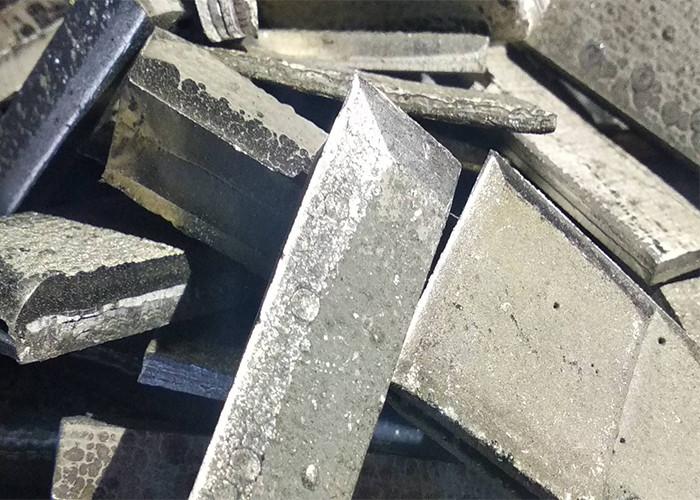
Aluminum ligature, Dnipropetrovsk region.
Region:all of Ukraine,
Dnipropetrovsk region.
Updated:
="
Aluminum-based ligatures can be conditionally divided into several groups:
1. Ligatures for grindinggrain aluminum.
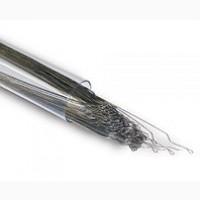
The ligatures of this group provide effective grinding of the grain of aluminum alloys due to the introduction into the melt of finely dispersed phases that serve as centers of crystallization. The introduction of these ligatures leads to improvement of mechanical properties and reduction of gas porosity. This group presents ligatures for all aluminum alloys: pure aluminum, deformable alloys, as well as cast aluminum. Examples of such ligatures are aluminum-titanium-boron (AlTiB), as well as aluminum-titanium-carbon (AlTiC) of various compositions. These ligatures are most often used in the form of a bar (wire) in bays to ensure continuous feed during pouring.
2. Ligatures for the modification of aluminum alloy castings.
In the field of cast AlSi aluminum alloys, an important place is occupied by the aluminum-strontium ligature (AlSr), which is an effective "modifier" of the structure, changing the form of the AlSi eutectic from lamellar to granular, thus significantly improving the mechanical properties of the casting. Modification with aluminum-strontium ligature (AlSr) is in many cases more effective than modification with sodium.(//tractor-service.com)
3. Ligatures for changing (correcting) the chemical composition of aluminum alloys.
This numerous group includes all kinds of aluminum-based ligatures for charging when making alloys. This group also includes ligatures, which are used to increase the strength of the alloy. Examples of ligatures are: AlSi, AlMn, AlFe, AlCr, AlCu, AlV.
4. Ligatures for improving certain physical or mechanical properties.
A separate group consists of ligatures for special purposes (improvement of certain physical or mechanical properties). For example, the aluminum-boron (AlB) ligature is added to increase the electrical conductivity of aluminum for electrotechnical purposes - this method is often called boron treatment. Aluminum-zirconium ligature (AlZr) is used to increase the recrystallization temperature of some aluminum alloys.
"
Aluminum-based ligatures can be conditionally divided into several groups:
1. Ligatures for grindinggrain aluminum.
The ligatures of this group provide effective grinding of the grain of aluminum alloys due to the introduction into the melt of finely dispersed phases that serve as centers of crystallization. The introduction of these ligatures leads to improvement of mechanical properties and reduction of gas porosity. This group presents ligatures for all aluminum alloys: pure aluminum, deformable alloys, as well as cast aluminum. Examples of such ligatures are aluminum-titanium-boron (AlTiB), as well as aluminum-titanium-carbon (AlTiC) of various compositions. These ligatures are most often used in the form of a bar (wire) in bays to ensure continuous feed during pouring.
2. Ligatures for the modification of aluminum alloy castings.
In the field of cast AlSi aluminum alloys, an important place is occupied by the aluminum-strontium ligature (AlSr), which is an effective "modifier" of the structure, changing the form of the AlSi eutectic from lamellar to granular, thus significantly improving the mechanical properties of the casting. Modification with aluminum-strontium ligature (AlSr) is in many cases more effective than modification with sodium.(//tractor-service.com)
3. Ligatures for changing (correcting) the chemical composition of aluminum alloys.
This numerous group includes all kinds of aluminum-based ligatures for charging when making alloys. This group also includes ligatures, which are used to increase the strength of the alloy. Examples of ligatures are: AlSi, AlMn, AlFe, AlCr, AlCu, AlV.
4. Ligatures for improving certain physical or mechanical properties.
A separate group consists of ligatures for special purposes (improvement of certain physical or mechanical properties). For example, the aluminum-boron (AlB) ligature is added to increase the electrical conductivity of aluminum for electrotechnical purposes - this method is often called boron treatment. Aluminum-zirconium ligature (AlZr) is used to increase the recrystallization temperature of some aluminum alloys.
"
https://ukrstarline.ua/ru/
|
Author, contacts | |
Sales manager / отзывы, инфо. / evaluation activities | |
|
Telephone:
+380xxxxxx
показать
| |
| https://ukrstarline.ua/ru/ | |
All ads пользователя ~778 | |
Ad ID: #1182347
(added by a registered user, registration date: 03-17-2022)
Added / Updated: 05-07-2026 10:08 (relevant, until: 05-07-2027)
Permanent ad address:
Showed / watched for today: ?, total: ?
Similar ads
Among them there are many interesting...