For sale / buy
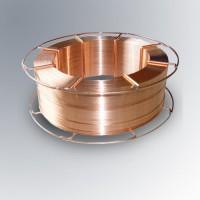
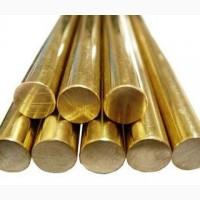
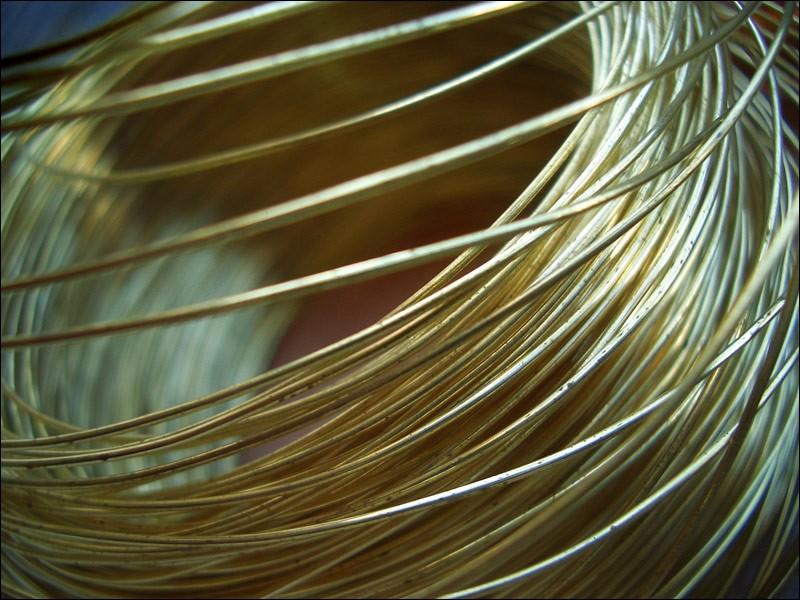
Bronze wire, Dnipropetrovsk region.
Region:all of Ukraine,
Dnepropetrovsk region.
Updated:
="
Bronze wire is a graded roll made of copper alloys with a very small cross-sectional area to length ratio.
Bronze wire is made from alloys of the following grades: BrNHK 2.5-0.7-0.6; BrOC4-3; BrKMts3-1; BrAMc9-2; BrB2.5; BrB2; BrAZHNMts 8.5-4-5-1.5; BrOF6.5-0.4; BrHCrK; BrX0,7.
Bronze wire production technologies are regulated by GOST 15834-77, GOST 5222-72, GOST 5221-77.(//tractor-service.com)
Corrosion resistance, high strength, flexibility and plasticity are important indicators for bronze wire. The high corrosion resistance of bronze wire, as well as its ability to conduct electric current, significantly expand the range of problems that can be solved with the help of production of this type. Bronze wire made of alloys with good electrotechnical characteristics is used for the production of wires, cables and windings.
The addition of zinc and aluminum to brass improves the alloy's resistance to atmospheric corrosion, the addition of lead improves resistance to seawater. In addition, brasses with lead are used in the time and automobile industry. The addition of a large amount of lead (up to 3%) makes the brass shavings brittle, but it makes it possible to obtain a surface with a high degree of cleanliness (when processed by cutting). The introduction of iron and nickel into brass improves the strength characteristics of the alloy.
"
Bronze wire is a graded roll made of copper alloys with a very small cross-sectional area to length ratio.
Bronze wire is made from alloys of the following grades: BrNHK 2.5-0.7-0.6; BrOC4-3; BrKMts3-1; BrAMc9-2; BrB2.5; BrB2; BrAZHNMts 8.5-4-5-1.5; BrOF6.5-0.4; BrHCrK; BrX0,7.
Bronze wire production technologies are regulated by GOST 15834-77, GOST 5222-72, GOST 5221-77.(//tractor-service.com)
Corrosion resistance, high strength, flexibility and plasticity are important indicators for bronze wire. The high corrosion resistance of bronze wire, as well as its ability to conduct electric current, significantly expand the range of problems that can be solved with the help of production of this type. Bronze wire made of alloys with good electrotechnical characteristics is used for the production of wires, cables and windings.
The addition of zinc and aluminum to brass improves the alloy's resistance to atmospheric corrosion, the addition of lead improves resistance to seawater. In addition, brasses with lead are used in the time and automobile industry. The addition of a large amount of lead (up to 3%) makes the brass shavings brittle, but it makes it possible to obtain a surface with a high degree of cleanliness (when processed by cutting). The introduction of iron and nickel into brass improves the strength characteristics of the alloy.
"
https://ukrstarline.ua/ru/
|
Author, contacts | |
Sales manager / отзывы, инфо. / evaluation activities | |
|
Phone:
+380xxxxxx
show
| |
| https://ukrstarline.ua/ru/ | |
All ads of the user ~778 | |
Ad ID: #1182068
(added by a registered user, registration date: 03-17-2022)
Added/Updated: 05-07-2026 10:08 (relevant, until: 05-07-2027)
Permanent ad address:
Showed / watched for today: ?, total: ?
Similar ads
Among them there are many interesting ones...