For sale / buy
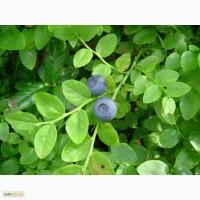
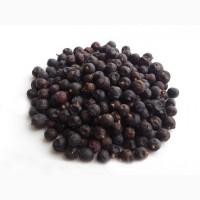
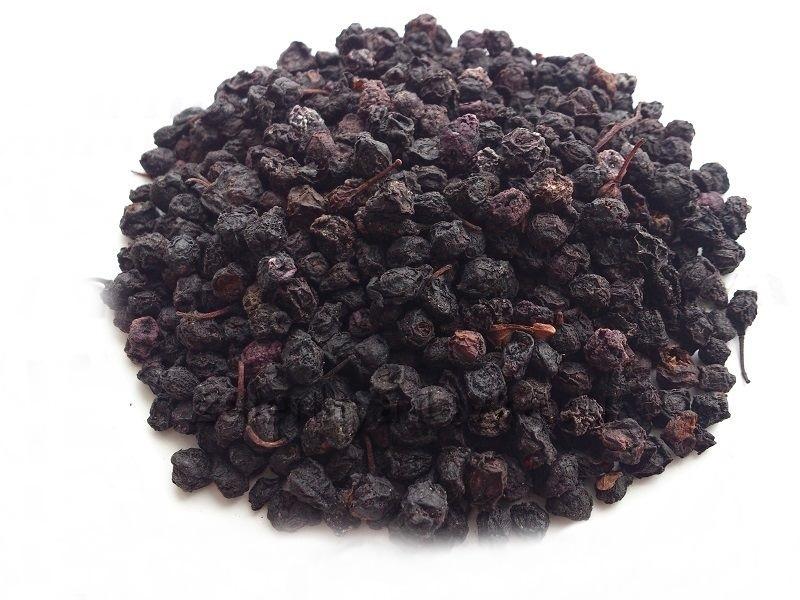
Blackberries (fruits) 1kg, Kharkiv region.
Region:all Ukraine,
Kharkov region.
(Kharkiv)
Updated:
Berries blueberry is a remedy whose beneficial effect on vision has literally become a household name. They not only allow you to cope with various vision disorders, but also help to prevent them, as well as relieve eye fatigue after long-term work. Alsoblueberry treats many diseases of the gastrointestinal tract, including colitis, diarrhea, non-infectious diarrhea, enterocolitis, dysentery, as well as catarrh of the stomach, heartburn, indigestion and ascites. This plant also treats skin diseases: ulcers, non-healing wounds, eczema, burns, dermatoses and ringworm. It copes no worse with inflammatory diseases of the oral cavity, stomatitis, pharyngitis, angina and gingivitis. Blueberry fruits are saturated with vitamins and other useful substances, thanks to which they are successfully used in the fight against avitaminosis, scurvy, diabetes, and metabolic disorders. In addition, blueberries cope with cystitis, kidney stone disease, gastritis, urethritis, enuresis and hemorrhoids. In some cases, it is used in the case of rheumatism, anemia, and uterine or hemorrhoidal bleeding. Blueberry berries are eaten. A large number of different dishes and drinks are prepared from them. In medicine, the antiseptic, astringent, anti-inflammatory and vitamin properties of this shrub are valued. Also, blueberries are part of many preparations that support vision, since the substances contained in them improve the blood flow of the retina of the eye. Blueberry fruits contain a large amount of tannins, the share of which reaches 17-18%. They also contain citric, oxalic, malic, benzoic and other organic acids. In addition to them, the composition of berries includessugar, vitamins, carotene, anthocyanins, pectin substances, catechins, ascorbic acid, flavonoids, thiamin and iridoid glycosides.
|
Author, contacts | |
Юлия/ отзывы, инфо./ activity evaluation | |
|
Phone:
+38(xxxxxx
show
| |
| Viber: 380672594366 | |
All user ads ~206 | |
Ad ID: #1115863
(added by a registered user, registration date: 04-30-2021)
Added / Updated: 09-02-2026 18:42 (current, until: 02-09-2027)
Permanent ad address:
Showed / watched for today: ?, total: ?
Similar ads
Among them there are many interesting ones...