For sale / buy
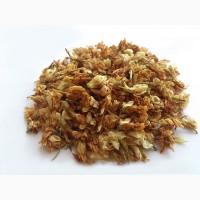
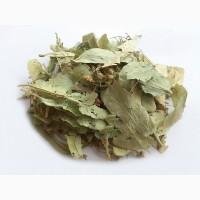
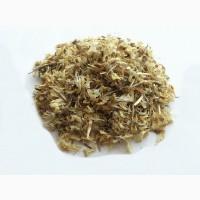
Lilac flowers 1 kg, Kharkiv region.
Region:all of Ukraine,
Kharkov region.
(Kharkiv)
Updated:
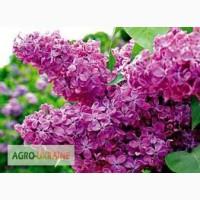
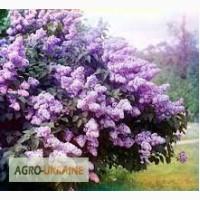
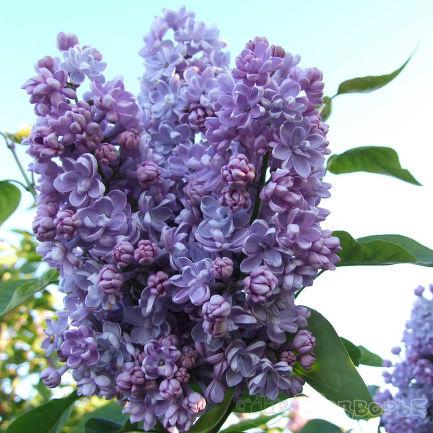
The common lilac is a shrub or tree of the olive family, up to 7 m tall, with a round or cup-shaped crown. Old trunks have dark gray bark that peels off in narrow strips. One-year shoots are smooth, yellowish-gray or olive-green, cylindrical, less often smoothed-four-sided, with slightly noticeable lenticels. Apical buds, as a rule, are absent due to the death of the tip of the shoot and are replaced by a pair of lateral ones. In adult plants that have entered the flowering season, the upper pair, and sometimes two — four lower lateral buds are formed into flower buds. They are much larger than the lower growth buds on the shoot. The flowers are purple, purple-blue, small, with a strong pleasant aroma; arranged in panicles in paired bundles, 3-5 in each bundle. The fruit is a flat, oval, two-nest box with a short point, with 2-4 flat winged seeds. Lilac blooms in May. Flowering is annual and abundant, sets seeds well. Mass flowering and fruiting occurs at the sixth hour. It reproduces by seeds and vegetatively. It grows in gardens, parks and around houses. Prefers neutral or weakly alkaline soils with low groundwater levels. Does not tolerate excess moisture. It grows best in open, lighted places, on deep, easily permeable and well-heated soils. Medicinal use of common sirene Medicines of sirene have an anti-inflammatory, diaphoretic effect, promote the excretion of sand and stones in urolithiasis. It is currently used only in folk medicine. Lilac bark. Decoction (externally) - with erysipelas of the skin, festering wounds, ulcers. Siren buds. They are used for allergic skin diseases. Lower the level ofsugar in the blood. Lilac flowers. Infusion (or in the form of tea) — for malaria, diarrhea, rheumatism, pulmonary tuberculosis, flu, acute respiratory diseases, stomach ulcer, diabetes, whooping cough, cough, shortness of breath, wheezing; decoction - for a cold. Alcohol tincture — for rheumatism, neuralgia, rheumatoid arthritis, arthralgia, diarrhea, peptic ulcer disease, shortness of breath, leucorrhoea, as well as for the treatment of wounds and bruises. Lilac leaves. In the form of tea - for malaria. Fresh - applied to festering wounds, ulcers, with a headache to the head. It was included in the composition of collections used for pulmonary tuberculosis. Infusion (flowers, leaves, or buds) of common lilac: pour 1 tablespoon of the raw material with 200 ml of boiling water, insist for 6 hours, then strain. Take 1-2 tablespoons 3 times a day. Tincture (leaves or flowers and buds) of common lilac: pour 1/4 cup of crushed raw material with 200 ml of vodka or alcohol and insist for 2 weeks. Used for rubbing with arthralgia and neuralgia. When used in the form of lotions and compresses, bandages are changed 4-5 times a day. Contraindications: it is necessary to be careful during the treatment, as there may be poisoning with an overdose.
|
Author, contacts | |
Юлия / отзывы, инфо./ оценка activities | |
|
Phone:
+38(xxxxxx
show
| |
| Viber: 380672594366 | |
All ads user ~206 | |
Ad ID: #1115850
(added by a registered user, registration date: 04-30-2021)
Added / Updated: 09-02-2026 18:42 (current, until: 02-09-2027)
Permanent ad address:
Showed / watched for today: ?, total: ?
Similar ads
There are many interesting ones among them...