For sale / buy
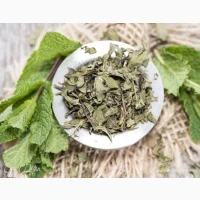
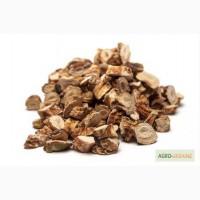
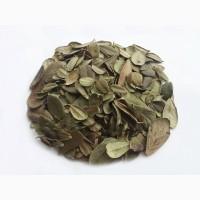
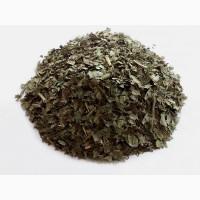
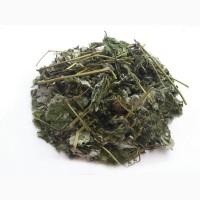
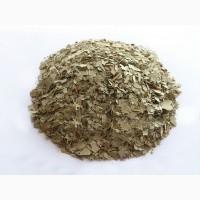
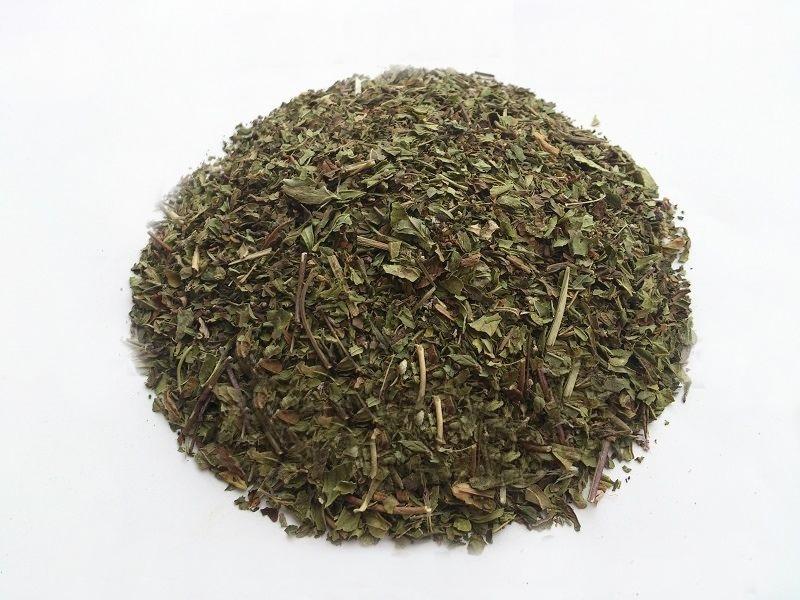
Mint (leaf) 1kg, Kharkiv region.
Region:all Ukraine,
Kharkov region.
(Kharkiv)
Updated:
Mint Peppermint is known as the strongest bactericidal, cardiac, soothing, gastric and biliary remedy. Appetite disorders, gastrointestinal spasms, diarrhea, flatulence, heartburn, nausea, hepatic colic, liver and gall bladder diseases, urolithiasis and diarrhea are treated with this herb. Mint has a beneficial effect on the cardiovascular system, so it is used against angina, heart pain and other heart diseases. This plant has a calming effect on headaches, insomnia, hysteria and increased excitability. External application of mint relieves itching, dermatosis, blackheads, psoriasis and other skin diseases. Also, this herb helps with bronchitis, diseases of the upper respiratory tract, fever, inflammatory processes and pains of a neuralgic nature. The plant is very diversely used in cooking, where its aromatic leaves are used to give dishes a unique smell and taste. In addition, mint components help preserve products longer. It is often used in the composition of toothpastes, and waste from processing becomes food for pets. The main component of the entire aerial part of peppermint is essential oilmaslo, consisting, in turn, for the most part of menthol, which largely determines the medicinal properties of this plant. Menthone, menthofuran, carotene, betaine, ash, ursolic and oleanolic acids, potassium, magnesium, iron, calcium, magnesium, zinc and many other useful trace elements are also found in mint.
|
Author, contacts | |
Юлия / отзывы, INFO. / activity evaluation | |
|
Phone:
+38(xxxxxx
show
| |
| Viber: 380672594366 | |
All ads of the user ~206 | |
Ad ID: #1115689
(added by a registered user, registration date: 04-30-2021)
Added / Updated: 09-02-2026 18:42 (relevant, until: 02-09-2027)
Permanent ad address:
Showed / watched for today: ?, total: ?