Продам / купить
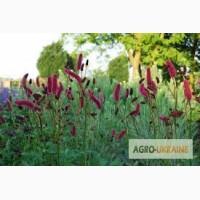
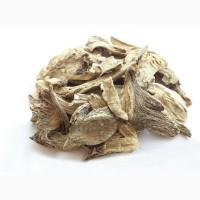
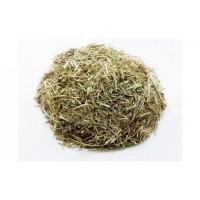
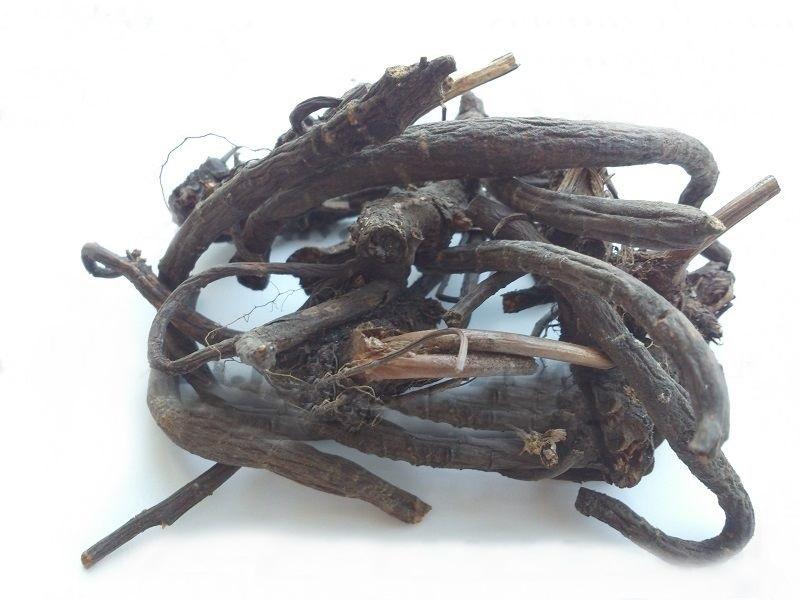
Кровохлебка (корневище) 1 кг, Харьковская обл.
Регион: вся Украина,
Харьковская обл.
(Kharkiv)
Updated:
Krovochlyobka officinalis is a plant well known not only in the field of folk medicine. It is also used as a honey plant, it also has fodder value. It is especially often used in diseases of the gastrointestinal tract, such as dysentery, diarrhea, peptic ulcer disease of the stomach and duodenum, as well as colitis. It is also used for inflammatory diseases of the oral cavity - in the form of a rinsed blood clot, it is used for stomatitis and gingivitis. The bactericidal, astringent and hemostatic effect of this plant is well known - it is used to stop bleeding of various nature, heal all kinds of wounds and ulcers, as well as burns. Blood clot is used for gynecological diseases, as well as for tuberculosis. Despite the fact that hemlock is widely used in agriculture, honey production, and even in the food industry, the main field of its use is medicine - the miraculous healing properties of this plant have long been recognized by both pharmacologists and folk medicine. The rhizome, which is used as the main medicinal raw material, contains a large amount of saponins, tannins and coloring substances,starch, gallic acid, as well as iron, magnesium, potassium, calcium and many other useful trace elements. All of them have a positive effect on the effect that hemorrhage has on the human body: the hemostatic properties of this plant are used to stop uterine, hemorrhoidal and other bleeding. It is also used in the treatment of stomatitis, gingivitis and other diseases of the oral cavity of an inflammatory nature. External use of blood clot-based products helps with all kinds of ulcers, burns, wounds, etc. It is also used for diseases of the gastrointestinal tract - diarrhea, dysentery, colitis, stomach and duodenal ulcers. Blood clotting has a certain significance for gynecology. The bactericidal properties of this plant are useful for the treatment of Escherichia coli, and it is also used for cholecystitis, tuberculosis, and thrombophlebitis.
|
Author, contacts | |
Юлия/ отзывы, инфо./ activity evaluation | |
|
Phone:
+38(xxxxxx
show
| |
| Viber: 380672594366 | |
All user ads ~206 | |
Ad ID: #1115616
(added by a registered user, registration date: 04-30-2021)
Added / Updated: 09-02-2026 18:42 (current, until: 02-09-2027)
Permanent ad address:
Showed / watched for today: ?, total: ?
Similar ads
Among them there are many interesting...