For sale / buy
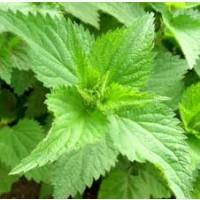
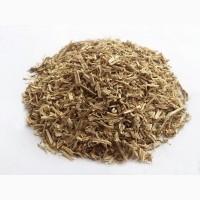
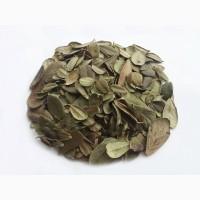
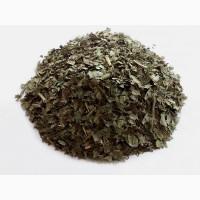
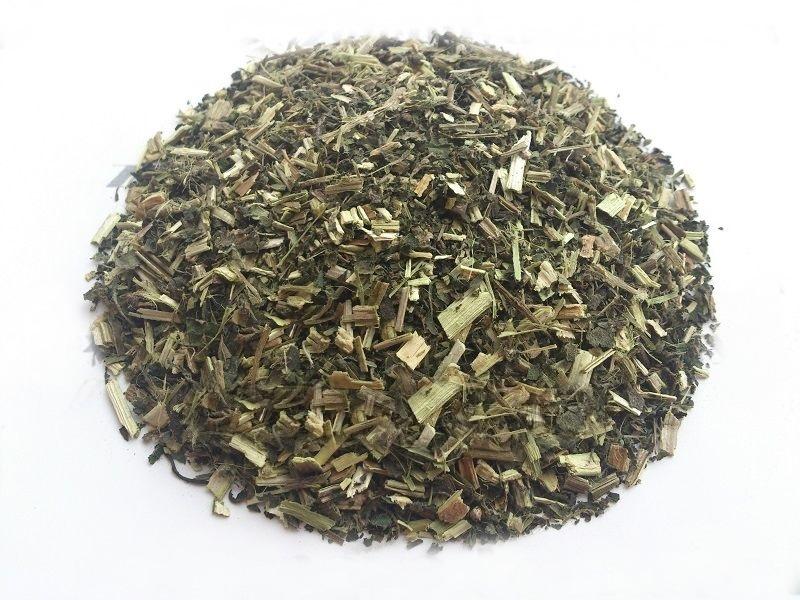
Nettle (leaf) 1kg, Kharkiv region.
Region:all Ukraine,
Kharkov region.
(Kharkiv)
Updated:
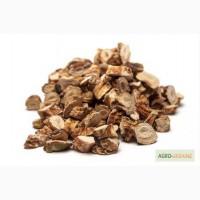
Nettle Nettle is used for various types of bleeding, promotes blood coagulation, wound healing, and metabolism improvement. Effective for diseases of the kidneys, liver, gall bladder. It is a diuretic, antiseptic and anti-inflammatory agent, improves blood composition, increases hemoglobin and erythrocytes. It helps with skin diseases, it is used as a multivitamin remedy. Stinging nettle root (Urtika dioica). Other names: zhegala, zhihalka, strakyva, strekava, strekuchka, zhigachka, zhguchka, strekalka. The wonderful properties of nettle have been known for a long time, many Russian proverbs and sayings are connected with it. Nettle leaves, roots and seeds are collected for medicinal purposes. The leaves contain glycoside urticin, carotenoids, chlorophyll, organic acids, micro and macro elements (silicon, iron, copper, manganese, boron, titanium, nickel), as well as vitamins C, B2, B3. The roots contain tannins, alkaloid nicotine and vitamin C, the seeds contain fattyoil, the main part of which is linoleic acid. Stinging nettle (Urtika dioica) is used in folk medicine as a tonic for various types of bleeding, atherosclerosis, gastrointestinal tract diseases, diabetes, kidney stone disease, hepatitis, edema and rheumatism, and chronic constipation. Nettle preparations increase blood coagulation, increase the percentage of hemoglobin and the number of erythrocytes, and in general normalize blood composition, activate metabolism, increase the activity of the cardiovascular system, and increase the regeneration of the lining of the gastrointestinal tract. The root is superior to the leaves in terms of medicinal effect. It is preferred in the treatment of diseases of cardiac origin, prostate adenoma, urolithiasis, furunculosis.
|
Author, contacts | |
Юлия/ отзывы, информация/ activity evaluation | |
|
Phone:
+38(xxxxxx
show
| |
| Viber: 380672594366 | |
All user ads ~206 | |
Ad ID: #1115613
(added by a registered user, registration date: 04-30-2021)
Added / Updated: 09-02-2026 18:42 (relevant, until: 02-09-2027)
Permanent ad address:
Showed / watched for today: ?, total: ?
Similar ads
Among them there are many interesting...