For sale / buy
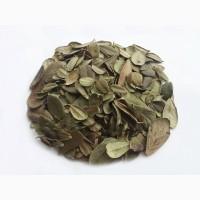
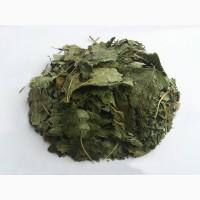
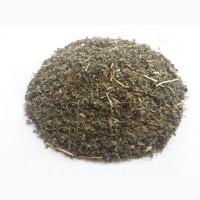
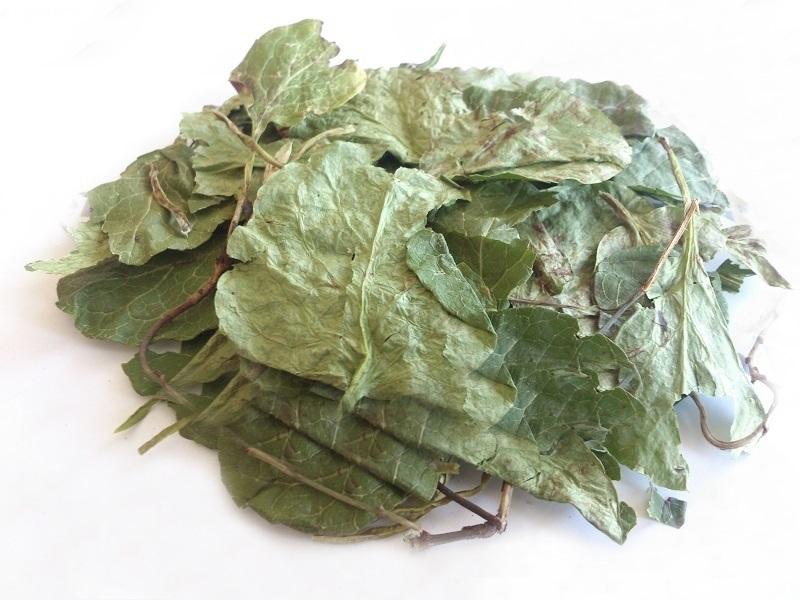
Grushanka (leaf) 1kg, Kharkiv region.
Region:all Ukraine,
Kharkov region.
(Kharkiv)
Updated:
Grushanka roundleaf is a plant that has a number of useful properties and is actively used in folk medicine. Many stomach and intestinal diseases are treated with its help: colitis, enteritis, ascites, gastritis. Thanks to its anti-inflammatory properties, it successfully fights diseases related to the genital area: vaginitis, urethritis, prostatitis, and is also an effective remedy for infertility and gonorrhea. Grushanka is also used to treat inflammation and diseases of the oral cavity: stomatitis, periodontitis, scurvy and caries. Preparations based on this plant are successfully used to combat joint diseases: arthritis, rheumatism, and gout. They are also used as a medicine for epilepsy, bone tuberculosis, headache, edema, dropsy, bronchitis and bleeding, including postpartum. With some forms of diabetes, hurshanka is able to help reducesugar level in the blood. She also treats skin diseases: boils, eczema, ulcers. Grushanka, which also has the well-deserved name "living grass", is often used as a decorative plant that decorates gardens and parks. Parts of the plant are used to brew surrogate tea. The main use of gooseberry is in medicine, where it is considered a strong antiseptic and anti-inflammatory agent. Tannins and glycoside arbutin make up the largest part of the chemical composition of gooseberry, the amount of which can be up to 18 and up to 8%, respectively. Sucrose, phenols and their derivatives, flavonoids, quinone, hydroquinone, essentialoil and ascorbic acid are also found in living grass.
|
Author, contacts | |
Юлия / отзывы, инфо. / activity assessment | |
|
Phone:
+38(xxxxxx
show
| |
| Viber: 380672594366 | |
All user ads ~206 | |
Ad ID: #1115523
(added by a registered user, registration date: 04-30-2021)
Added / Updated: 09-02-2026 18:42 (relevant, until: 02-09-2027)
Permanent ad address:
Showed / watched for today: ?, total: ?
Similar ads
Among them there are many interesting...