For sale / buy
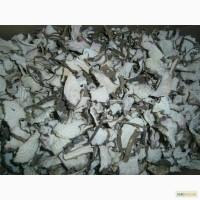
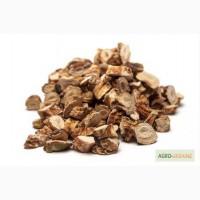
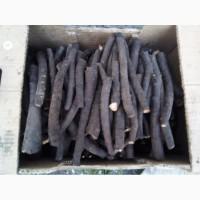
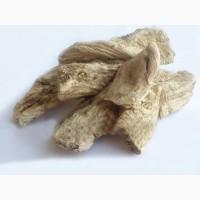
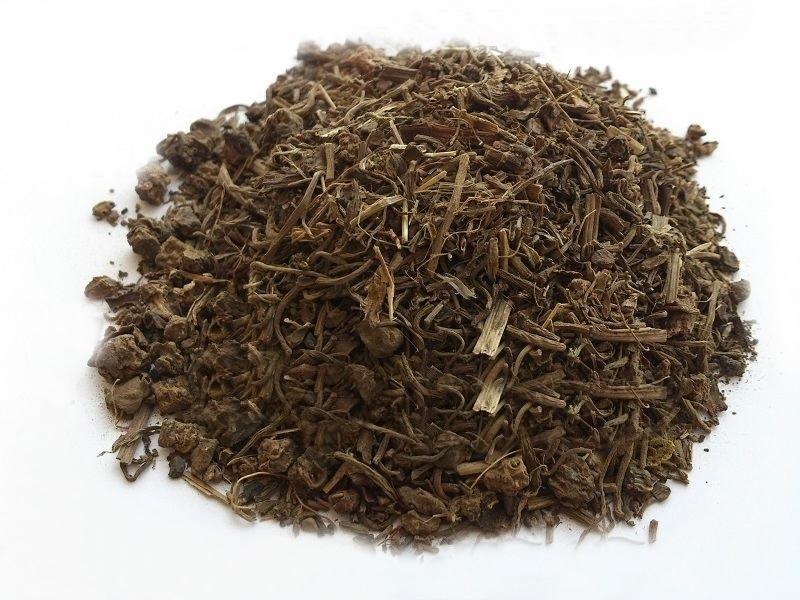
Valerian (root) 1 kg, Kharkiv region.
Region:all of Ukraine,
Kharkov region.
(Kharkiv)
Updated:
Valeriana officinalis is a plant known primarily for its calming properties. It has a beneficial effect on the nervous system, helping with hysteria, neurasthenia, convulsions, insomnia, as well as vegetoneurosis, epilepsy, migraine and other diseases of a nervous nature. This plant has a no less healing effect on the cardiovascular system: it helps to get rid of heart pain, hypertension, tachycardia, vegetative-vascular dystonia, spasms of blood vessels, rapid heartbeat and other disorders of cardiovascular activity.Also valerian helps cure lung inflammation and asthma, menopausal disorders, hepatic colic and muscle spasms, diseases of the liver, biliary tract and thyroid gland, as well as hyperthyroidism. In addition, it is prescribed for appetite disorders and as a sedative for skin diseases such as psoriasis and eczema. The main use of this herb is official and folk medicine. Due to its sedative, hypnotic, cardiac and other effects, valerian has become a very popular medicinal product, and the need for it is satisfied due to extensive industrial plantations. It is also used in combinations with other plants, but more often it is used as an independent remedy. Valerian roots contain a large amount of essentialoil, which, in turn, decomposes into terpineol, borneol, pinene, bornylisovalerianate, sesquiterpenes, and isovaleric acid. They also contain free amines, triterpene glycosides, a large amount of organic acids, valepotriates, tannins, valerian acid, calcium, iron, and iodine.
|
Author, contacts | |
Юлия / отзывы, инфо./ activity evaluation | |
|
Phone:
+38(xxxxxx
show
| |
| Viber: 380672594366 | |
All user ads ~206 | |
Ad ID: #1115511
(added by a registered user, registration date: 04-30-2021)
Added / Updated: 09-02-2026 18:42 (relevant, until: 02-09-2027)
Permanent ad address:
Showed / watched for today: ?, total: ?