/ Seeds, seedlings and seeding materials / Seedlings of fruit trees / Seedlings of different fruit trees + in assortment / Seedlings of lemon varieties Panderosa 1 year old, Meyer 2 hlet...


Sell / buy
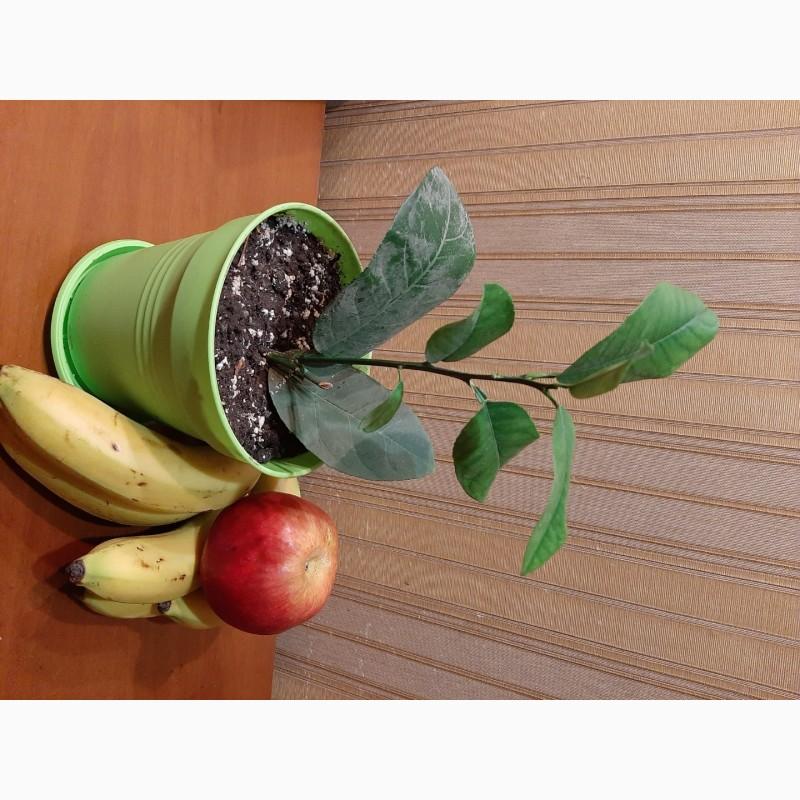
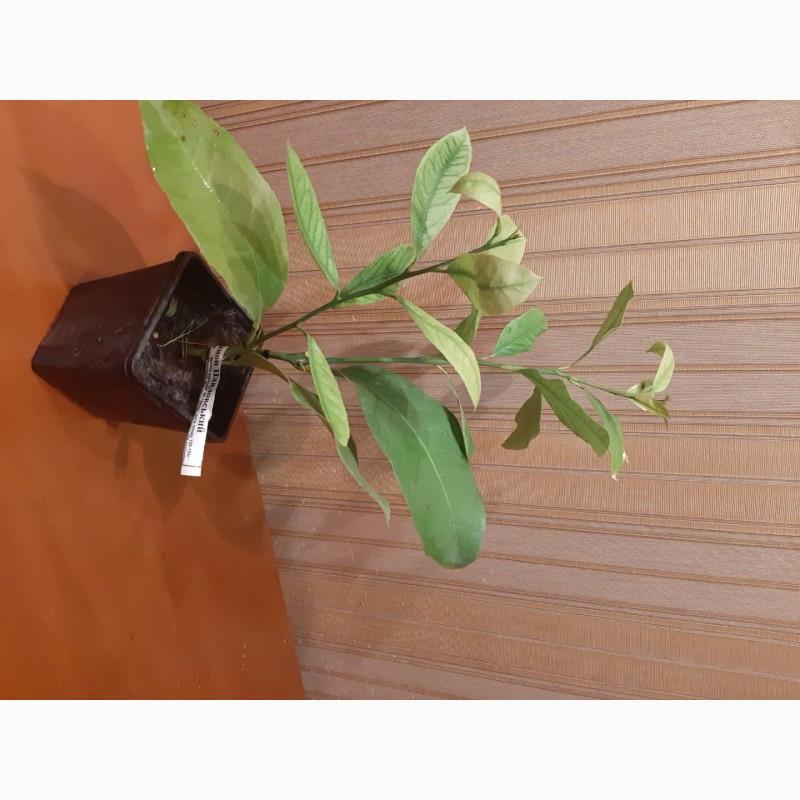
Panderosa lemon seedlings 1 year old, Meyer 2 year old and Pavlovsky 2 years old, Dnipropetrovsk region.
Region:all of Ukraine,
Dnipropetrovsk region.
(Dnipropetrovsk region, city of Dnipro w/m Topolya-2)
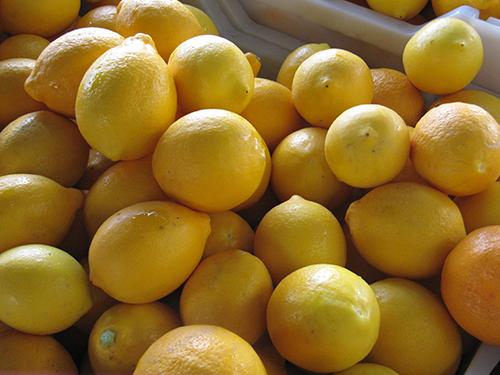
Characteristic properties of Meyer's flowering. Remontant variety, there are up to four waves of flowering per season! As already noted, even seedlings bloom unusually early, and cuttings can bear fruit after two seasons. True, at this age they are undesirable on the branches. An important feature is that buds appear on young shoots of the current year. They, like the blossoming flowers, have a pure white color, although some lines are distinguished by a barely noticeable, purple or bluish shade. The flowers are small, about 3-4 cm in diameter, very fragrant. Interesting! The pleasant smell of these flowers has an exciting effect on many people. Buds are located in the crown in different ways. Single flowers predominate, but often they form small inflorescences. Description of fruits. Meyer fruits are easily distinguished from all other representatives of the species. They are small, with an average weight of 80 to 120 grams, almost round in shape. Their unusual color is bright yellow, rather even orange. It is much more reminiscent oforange blossom. Do you remember the first version of the origin of the variety? The color of the fruit perfectly demonstrates it! The skin is thin, easily separates from the pulp. The surface is smooth, shiny, devoid of characteristic bumpiness. The plant is characterized by increased precocity, sometimes only 8 months pass from the bud to the ripe fruit. Its low transportability is considered a disadvantage. In order to somehow compensate for this, the fruits are plucked slightly unripe, later they are able to ripen. Important! Consumers often note excessive acidity of fruits. Probably, the opinion was formed precisely from the tasting of insufficiently matured specimens. A truly mature Meyer is very sweet; This is probably the sweetest of all lemons, you can eat it without sugar.
Other characteristic features: — The pulp is unusually juicy, the weight of the juice is sometimes more than 51% of the weight of the fruit itself. — The color of the pulp is yellowish, like orange. The pulp is tender, aromatic, consisting of 6-10 lobes. — Most consumers note the unusual taste of fruits. It is difficult to express it in words, most often they say - "it feels like something not lemon." In any case, along with a pleasant, gentle sweetness, there is a small, refined note of bitterness. — There are always many seeds inside the pulpseeds. Usually there are about a dozen of them, but sometimes there are more. — High yield. Good specimens are sometimes simply dotted with small orange fruits.
Lemon "Pavlovsky". An adult plant reaches 0.8-1.4 m in height. It has a rounded crown 0.6-1.2 m in diameter with 2-4 skeletal branches. On young shoots, the bark is dark green, adult branches have olive-gray bark with longitudinal cracks. Almost all Pavlovian lemons have sharp spines on the branches 1-1.5 cm long. The leaves are large, 12-14 cm long, with a wedge-shaped base and a long pointed tip. The shape is different, depending on the species, it can be wide-oval, oblong, oval, wide-lanceolate or obovate. The leaves are bright, shiny green or dark green. The petiole is short, with a small groove. You should know that Pavlovsk lemons periodically shed old leaves. However, experts have established that in the crown of a healthy tree, there should be at least 8-12 physiologically active leaves for each fruit. You should know that Pavlovsk lemons periodically shed old leaves. However, experts have established that in the crown of a healthy tree, there should be at least 8-12 physiologically active leaves for each fruit. Fruiting begins 3-4 years after rooting. A lemon may bloom earlier, but in this case the flowers should be removed, giving the plant the opportunity to take root and strengthen. Average yield, about 6-8 lemons annually. The quality of the fruits is high. Ripening times, depending on lighting, are from 35-40 days to 2.5-3 months. Citrus fruits experience stress during transportation, so the leaf may dry out and curl. But this does not mean thatsazhenets died. A new leaf will appear from the buds. It is also impossible to cut the roots and use rooting agents. It is recommended to use "Epin" and "Zirkon" after transshipment into a pot.(//tractor-service.com)
Features of flowering In this component, Panderosa will give a head start to any lemon! It is distinguished by a literal riot of flowers, in good conditions it turns into a white layer, exuding a pleasant citrus aroma. The fact that the variety produces two or even three waves of flowering in an hour is valuable. Interesting! Panderosa "loves" flowers so much that it even interferes with rooting. The cutting, as soon as it has released tiny roots, immediately tries to bloom, and even with several flowers! Also, young twigs often bloom to the detriment of necessary growth. On the crown, the flowers (large, slightly cream-colored) form loose inflorescences; they open unfriendly, gradually, so the wave of flowering can last a couple of weeks. The petals of the flower are long, slightly pinkish at the very tips (but not always!). Fruits It is because of them that the variety was called "heavy-fruited". A lemon weighing one kilogram is not at all rare on the crown of this citrus, there are even heavier ones! Perhaps some secret "law of justice and balance" is at work here, but the fact is that with abundant flowering of giant lemons, few are tied. Most often, even on an adult tree, you can see from 4 to 6 fruits. Under the conditions of a good greenhouse, the number of fruits per tree can increase many times over. The fruit has a thick, bumpy peel, and the shape slightly resembles either a pear or an egg turned with the sharp end up. The fruit is filled with juice, pleasant to the taste, reminiscent of lemon, but almost devoid of characteristic acid. An important feature is that there are always many seeds inside, sometimes several dozen of them! This fact, plus the fact that the fruit is difficult to peel, sharply reduces the commercial value of this plant. In the USA, ego is grown mainly for decorative purposes, and in Europe it is formed under wallpaper.
To sum up, Panderosa is perfectly suitable for home conditions, although it is not a commercially attractive culture. To the advantages that have already been mentioned, you can add super-early beginning of fruiting (sometimes on the second hour after rooting of the cutting), undemanding to the world, the ability to easily tolerate the lack of winter cool rest.
Ad ID: #1074790
(added by a registered user)
Permanent ad address:
Showed / watched for today: ?, total: ?
Similar fresh ads
Among them there are many interesting...

All Ukraine: Seeds, seedlings and seeds materials 1204 / Seedlings of fruit trees 147 / Seedlings of different fruit trees + in assortment 66
Dnepropetrovsk region: Seeds, seedlings and sowing materials 123 / Fruit seedlings trees 20 / Seedlings of different fruit trees + in assortment 14