Sell / buy
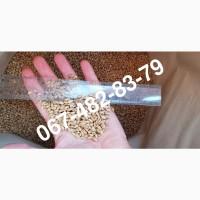
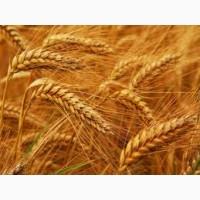
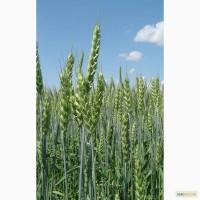
Wheat seeds, Baxter variety, Canadian transgenic dvruchka, Odesa region.
Price55 UAH. / kg
Region:all of Ukraine,
Odessa region.
Updated:
Grain designation: Sowing material
Baxter is a soft variety durum wheat, developed on the basis of nanotechnology by transforming wheat DNA cells, by the Canadian holding Sertis Holding Group. This variety of durum wheat was scientifically developed in Canada in 2018. It underwent variety tests for frost resistance in 2018, in the harsh climate of Canada in the northern agricultural provinces of Ontario, Yukon, Saskatchewan, Nanawut, Quebec, as well as in the southern provinces. It showed excellent results in terms of productivity where the air temperature reached — 35 °C in combination with strong wind gusts of up to 24 ms, as well as in Norway, Russia. Also, the Baxter wheat variety underwent a variety test during spring sowing for drought resistance in the EEC countries, Cyprus, Angola, South Africa, Zambia, Yemen, where tem. the air reached + 51 C°.
The height of Baxter wheat plants is 110 cm, the bush is upright, the coefficient of bushiness is 26 stems, the stem is thick, filled with connective tissue.
Baxter double-handled wheat of the universal type of use is undemanding to growing conditions. It is suitable for cultivation after various predecessors, including oil and grain crops.
The elite variety of Canadian durum wheat has many advantages compared to ordinary varieties:
1) This variety of Canadian transgenic wheat can be sown 10 years in a row, as it does not lose its qualities.
2) It is characterized by good frost resistance: up to - 35 C in a dry winter, without snow cover in combination with a strong icy wind due to the isolated genes of the oceanic algae Fucus vesiculosus, growing on the bottom of the Arctic Ocean.
3) It is resistant to abiotic stresses, tolerates spring temperature changes and frost in the stage of full plant development.
4) It is characterized by good drought resistance: up to + 51 °C due to genes transformed from Oscillatoria filiformis introduced into the DNA structure of wheat.
5) Baxter wheat has a stable immunity to all fungal diseases, as well as to viruses that affect ordinary varieties of wheat: root rot, wheat bacteriosis, powdery mildew, snow mold, dwarf rust, dusty and false dusty black head and stone head, stem melanosis, ergot, fusarium ear, Russian mosaic and is practically not affected by these diseases.
6) Baxter two-armed wheat has 3 resistance genes H — 6 to Hessian fly, resistance gene H — 9 to winter, wheat, Swedish fly, resistance gene H — 10 to oat nematode, gall peanut, wheat nematode, resistance gene H — 12 to American meromyza.
7) This variety is resistant to wheat dormancy due to a strong, powerful stem.
8) Wheat is harvested directly by harvesters.
9) The high productivity of Canadian durum wheat is achieved due to a large ear (22 cm) and bushiness coefficient, capable of forming more than 26 stalks.
10) This variety of transgenic durum wheat is resistant to lodging, shedding, and grain germination in the ear.
11) It differs from other varieties of wheat in that it can be sown both in autumn and in spring, as well as in the February window.
This variety of transgenic wheat was sown in Ukraine with spring sowing, as well as with autumn sowing and showed excellent results in yield (up to 118 t/ha in winter sowing and 92 t/ha in spring).
Weight of 1000seeds - 46 grams.(//tractor-service.com)
Germination is 98%.
Growth energy - 97%.
Humidity - 12%.
The variety is characterized by high productivity potential (140 t/ha) in combination with ecological plasticity and stability of productivity.
The norm of sowing seeds of transgenic double-handled wheat of the Baxter variety per 1 ha is 150 kg, sown with seed drills or precision sowing at a depth of 5-6 cm.
Sowing of Baxter einkorn wheat: autumn sowing of wheat starts from September 10 and lasts inclusively until November 30, spring sowing of wheat from February to April 30.
Herbicides: to fight against oat grass, use triallate 50% k.e. or avadex BV 48% k.e. in a dose of 2.5 l/ha; for the destruction of dicots 2.4 D amine salt 40% v.c. - 2 kg per 1 hectare, and for the fight against gorse and bristly, illoxan 36% k.e. 3 kg per 1 ha, Granstar ultra 25 grams per 1 ha in the 2-3 leaf phase.
Удобрения: rates of fertilizer application (kg/ha) are calculated taking into account the content of nutrients in the soil, their removal by plants per unit of harvest, coefficients of utilization of nutrients from the soil and fertilizer. The main fertilizer is intended to increase the level of plant nutrition throughout the growing season. Wheat responds well to organic fertilizers. General recommendations: 120 kg of nitroammofoska per 1 hectare is applied when sowing or after sowing durum wheat and 120 kg in the spring.
The vegetation period of transgenic wheat of the Baxter variety (double-eared) is 270 days for autumn sowing, and 110-120 days for spring sowing.
Harvesting: double-handled Baxter wheat is harvested with Don, Niva, Zhondyr, Keys combines.
https://agrofermer.com/products/pshenitsa/baxter%20/
Our website is agrofermer.com
E-mail -[email protected]
phone +380993644779 - Andrey
We buy the future harvest.
When sowing 250 hectares, we make a prepayment of up to 50%
Delivery: across Ukraine.
The height of Baxter wheat plants is 110 cm, the bush is upright, the coefficient of bushiness is 26 stems, the stem is thick, filled with connective tissue.
Baxter double-handled wheat of the universal type of use is undemanding to growing conditions. It is suitable for cultivation after various predecessors, including oil and grain crops.
The elite variety of Canadian durum wheat has many advantages compared to ordinary varieties:
1) This variety of Canadian transgenic wheat can be sown 10 years in a row, as it does not lose its qualities.
2) It is characterized by good frost resistance: up to - 35 C in a dry winter, without snow cover in combination with a strong icy wind due to the isolated genes of the oceanic algae Fucus vesiculosus, growing on the bottom of the Arctic Ocean.
3) It is resistant to abiotic stresses, tolerates spring temperature changes and frost in the stage of full plant development.
4) It is characterized by good drought resistance: up to + 51 °C due to genes transformed from Oscillatoria filiformis introduced into the DNA structure of wheat.
5) Baxter wheat has a stable immunity to all fungal diseases, as well as to viruses that affect ordinary varieties of wheat: root rot, wheat bacteriosis, powdery mildew, snow mold, dwarf rust, dusty and false dusty black head and stone head, stem melanosis, ergot, fusarium ear, Russian mosaic and is practically not affected by these diseases.
6) Baxter two-armed wheat has 3 resistance genes H — 6 to Hessian fly, resistance gene H — 9 to winter, wheat, Swedish fly, resistance gene H — 10 to oat nematode, gall peanut, wheat nematode, resistance gene H — 12 to American meromyza.
7) This variety is resistant to wheat dormancy due to a strong, powerful stem.
8) Wheat is harvested directly by harvesters.
9) The high productivity of Canadian durum wheat is achieved due to a large ear (22 cm) and bushiness coefficient, capable of forming more than 26 stalks.
10) This variety of transgenic durum wheat is resistant to lodging, shedding, and grain germination in the ear.
11) It differs from other varieties of wheat in that it can be sown both in autumn and in spring, as well as in the February window.
This variety of transgenic wheat was sown in Ukraine with spring sowing, as well as with autumn sowing and showed excellent results in yield (up to 118 t/ha in winter sowing and 92 t/ha in spring).
Weight of 1000seeds - 46 grams.(//tractor-service.com)
Germination is 98%.
Growth energy - 97%.
Humidity - 12%.
The variety is characterized by high productivity potential (140 t/ha) in combination with ecological plasticity and stability of productivity.
The norm of sowing seeds of transgenic double-handled wheat of the Baxter variety per 1 ha is 150 kg, sown with seed drills or precision sowing at a depth of 5-6 cm.
Sowing of Baxter einkorn wheat: autumn sowing of wheat starts from September 10 and lasts inclusively until November 30, spring sowing of wheat from February to April 30.
Herbicides: to fight against oat grass, use triallate 50% k.e. or avadex BV 48% k.e. in a dose of 2.5 l/ha; for the destruction of dicots 2.4 D amine salt 40% v.c. - 2 kg per 1 hectare, and for the fight against gorse and bristly, illoxan 36% k.e. 3 kg per 1 ha, Granstar ultra 25 grams per 1 ha in the 2-3 leaf phase.
Удобрения: rates of fertilizer application (kg/ha) are calculated taking into account the content of nutrients in the soil, their removal by plants per unit of harvest, coefficients of utilization of nutrients from the soil and fertilizer. The main fertilizer is intended to increase the level of plant nutrition throughout the growing season. Wheat responds well to organic fertilizers. General recommendations: 120 kg of nitroammofoska per 1 hectare is applied when sowing or after sowing durum wheat and 120 kg in the spring.
The vegetation period of transgenic wheat of the Baxter variety (double-eared) is 270 days for autumn sowing, and 110-120 days for spring sowing.
Harvesting: double-handled Baxter wheat is harvested with Don, Niva, Zhondyr, Keys combines.
https://agrofermer.com/products/pshenitsa/baxter%20/
Our website is agrofermer.com
E-mail -[email protected]
phone +380993644779 - Andrey
We buy the future harvest.
When sowing 250 hectares, we make a prepayment of up to 50%
Delivery: across Ukraine.
|
Store, contacts | |
Andrei Valerevich / отзывы, инфо. / activity evaluation | |
|
Telephone:
+380xxxxxx
show
| |
All user ads ~40 | |

Ad ID: #1068274
(added by a registered user, registration date: 24-07-2012)
Added/Updated: 09-18-2026 15:21 (current, until: 18-09-2027)
Permanent ad address:
Showed / watched for today: ?, total: ?
Similar ads
Among them there are many interesting ones...