Sell / buy
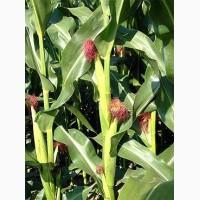
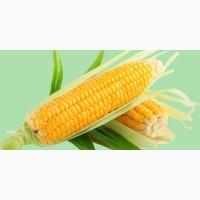
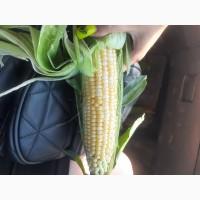
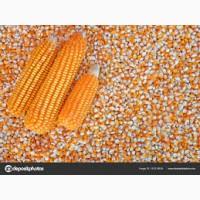
I will sell corn, Poltava region.
Region:
Poltava region.
(S. Omelnyk, Pochtova St., 3-B)
Grain purpose:Forage grain
Quantity: 90 tons
Corn is one of the most valuable fodder crops. In terms of grain yield, it exceeds all grain crops. Grain is used for food purposes (20%), technical purposes (15-20%) and fodder (60-65%). By the content of fodder units, corn grain is dominated by oats,barley,rye. A kilogram of it contains 1.34 feed units, 78 g of digestible protein. The protein is represented by inferior zein and glutelin, so grain should be fed in a mixture with high-protein feed. Corn contains 65-70% carbohydrates, 9-12% protein, 4-8% vegetable oil (up to 40% in the germ) and only about 2% fiber. Contains vitamins A, B2, B6, E, C, essential amino acids, mineral salts and trace elements. The protein content is low, it is deficient in some essential amino acids, especially in the content of lysine and tryptophan. Corn is one of the mostcommon grain crops. About 65% of the total global production of corn grain is used for livestock feed. Grain is used in whole, crushed or ground form as the main irreplaceable component of concentrated feed, suitable for feeding all farm animals, especially pigs and poultry. It is characterized by high fodder qualities, as it has almost all the necessary nutrients in an easily digestible form. 100 kg of grain contains 134 feed units and 7.8 kg of digestible protein. Corn grain is used for food purposes. More than 150 food and technical products are made from it: flour, groats, flakes, starch, syrup, glucose, alcohol. From 100 kg of grain, 37-40 liters of alcohol are obtained, which is 3-5 liters more than from grain of other crops. Valuable edible oil is extracted from grain germs, which has medicinal properties (reduces cholesterol in the blood and prevents atherosclerosis). Furfural, lignin, xylose, cellulose and paper are obtained from cob stalks. From 1 t of grain, you can get 56 kg of starch (or 60 kg of fructose or 38 l of alcohol), 22.4 kg of feed with a protein content of 21%, 5.2 kg of gluten flour and 2.7 kg of corn oil. Corn,
Ad ID: #1047435
(added by a registered user)
Permanent ad address:
Showed / watched for today: ?, total: ?
Similar fresh ads
Among them there are many interesting...