

Sell / buy
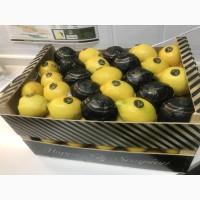
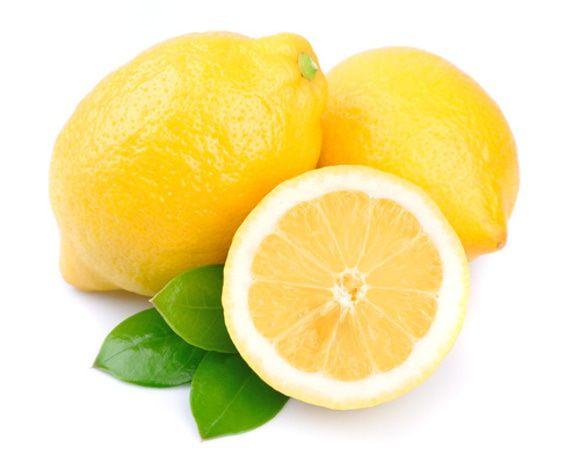
Lemon Spain, Kyiv
Region:all Ukraine,
Kyiv
India and China are considered to be the home of lemon. Cultivation of the plant began in India and Pakistan. In the 12th century, the Arabs brought lemons to the Middle East and the Mediterranean. Today, lemons are grown on an industrial scale in many countries with tropical and subtropical climates. It is noteworthy that lemon is not found in the wild, as it is a hybrid of lime. It is believed that the hybrid arose spontaneously, after which the lemon trees evolved into a separate species over a long period of time.
Lemon and lemon juice are widely used in cooking. Asspices they are added tosalads, meat, fish and chicken dishes; in sauces, marinades and preservation; in desserts, creams, dessert drinks, ice cream, syrups. Popular in alcoholic drinks, as well as as a snack (especially with cognac). In the West, such a snack is called "Russian", because Europeans believe that the strong taste of lemon drowns out the subtle aftertaste of cognac. Tea with lemon wedges is also called "Russian tea" in the West.
Lemon has antisclerotic, hematopoietic and wound-healing effects. It perfectly improves immunity, helps the body resist colds and viral diseases, increases tone, improves mood.
The content of vitamins in lemon (per 100 g of edible part): 157
Витамин А--------------------0,01мг (//tractor-service.com)
Vitamin B1-------------------0.04mg
Vitamin B2-------------------0.02mg
Vitamin B3 or PP-----------0.10mg
Vitamin B9------------------9.00mcg
Vitamin C-------------------40,00mg
Lemon and lemon juice are widely used in cooking. Asspices they are added tosalads, meat, fish and chicken dishes; in sauces, marinades and preservation; in desserts, creams, dessert drinks, ice cream, syrups. Popular in alcoholic drinks, as well as as a snack (especially with cognac). In the West, such a snack is called "Russian", because Europeans believe that the strong taste of lemon drowns out the subtle aftertaste of cognac. Tea with lemon wedges is also called "Russian tea" in the West.
Lemon has antisclerotic, hematopoietic and wound-healing effects. It perfectly improves immunity, helps the body resist colds and viral diseases, increases tone, improves mood.
The content of vitamins in lemon (per 100 g of edible part): 157
Витамин А--------------------0,01мг (//tractor-service.com)
Vitamin B1-------------------0.04mg
Vitamin B2-------------------0.02mg
Vitamin B3 or PP-----------0.10mg
Vitamin B9------------------9.00mcg
Vitamin C-------------------40,00mg
Ad ID: #1041059
(added by registered users) by the user)
Permanent ad address:
Showed / watched for today: ?, total: ?
Similar fresh ads
Among them there are many interesting...