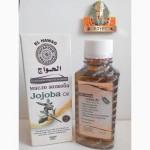
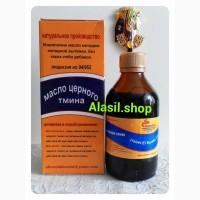
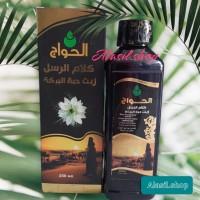
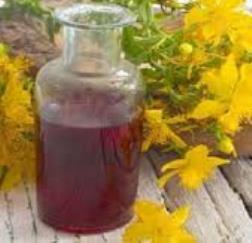
/ Products of processing of agricultural raw materials / Vegetable oil / St. John's wort oil, UAH 90 110ml


Sell / buy
St. John's wort oil, 90 UAH 110 ml, Dnipropetrovsk region.
Price90 UAH.
Region:all of Ukraine,
Dnepropetrovsk region.
(Https://dobriy-lis.all.biz/)
Updated:
St. John's wort oil
St. John's wort oil (Extractum Hyperici oleosum) is obtained from St. John's wort flowers.
The use of St. John's wort oil increases blood pressure in hypotensive patients due to the biologically active substances of hyperforin and hypericin.
Hyperforin has a strong antibacterial effect, blocking the development of staphylococcus aureus and diphtheria bacillus in the body. Having strong anti-inflammatory properties, hyperforin has a pronounced antiviral and antioxidant effect, protects human organs and tissues from damage by free radicals, improves liver function, promotes rapid removal of various toxic substances from the body.
Hypercin is photoactive, kills viruses, quickly oxidizes cholesterol, removing it from the body and cleaning the walls of blood vessels from atherosclerotic plaques.
St. John's Wort oil is effective in peptic ulcer disease, as it has a destructive effect on Helicobacter bacteria and heals the mucous membrane of the stomach and duodenum without scarring.
Benefits for men's health:
The plant has a large number of medicinal properties and is very useful for a man's body, it has the effect of a natural aphrodisiac; helps increase a man's libido; improves blood flow to the pelvic organs; fights with inflammatory processes in the genitourinary system; helps with prostate inflammation; relieves psychological tension.
Indications:
• in case of burns, long non-healing wounds, ulcers, bites - no disfiguring scars remain on the skin
• for the treatment of vitiligo and impaired pigmentation.
• for the treatment of gastritis, stomach and duodenal ulcers, colitis
• for the treatment of osteochondrosis
• for the treatment of diseases of the oral cavity (stomatitis, periodontitis, gingivitis)
• with herpes, psoriasis, vitiligo, abscesses, rashes on the body after a cold
• with renal stone disease, decreased filtration capacity of the kidneys, to restore renal blood flow
• for the treatment and prevention of cancer.
• for the treatment and prevention of flu and colds, with pharyngitis.
• for the treatment of hemorrhoids(//tractor-service.com)
• as an antidepressant (improves mood, relieves fatigue, is indicated for use by people who abuse alcohol and smoking)
• as an anti-allergic agent
• as a pain-relieving, wound-healing and anthelmintic agent (opistorchia).
• atherosclerosis, liver disease,
• Osteochondrosis
• work at night
• Diseases of the liver and bile ducts
• diabetes (reducessugar in the blood), to strengthen hair growth, with memory loss, makes the skin elastic, removes small wrinkles,
External use (rubbed into the skin): rheumatism, gout, lumbago, bedsores, pain in the joints and back, skin erosion, multiple sclerosis, wounds, small cuts, healing of purulent discharge (furunculosis), eczema, toothache (rinsing of the oral cavity).
Internal use: take 20 to 30 drops three times a day. on a spoonful of water
Method of use:
1. Compresses for burns, abscesses, abrasions, bruises, mastitis, mastopathy, cracked nipples in lactating women: napkins soaked inSt. John's Wort oil are applied to the affected areas of the skin and wrapped. The duration of the procedure is 15–20 min.
2. Micro enemas for hemorrhoids: add 10 drops of cypress or 2–4 drops of chamomile essential oil to 1 tablespoon of St. John's wort oil. After the introduction of the mixture, lie on the side or stomach for 3–5 minutes.
3. Massage for obesity, edema, and inflammatory processes on the skin is performed with a mixture of St. John's wort,olive and rosehip fatty oils in a ratio of 1:2:1.
4. Nasal instillation: add 3–4 drops of chamomile essential oil to 2 teaspoons of St. John's wort oil. Instill 3–4 drops of the mixture into each nostril every 60–90 minutes.
Contraindications:
Individual intolerance of St. John's wort oil.
St. John's wort oil (Extractum Hyperici oleosum) is obtained from St. John's wort flowers.
The use of St. John's wort oil increases blood pressure in hypotensive patients due to the biologically active substances of hyperforin and hypericin.
Hyperforin has a strong antibacterial effect, blocking the development of staphylococcus aureus and diphtheria bacillus in the body. Having strong anti-inflammatory properties, hyperforin has a pronounced antiviral and antioxidant effect, protects human organs and tissues from damage by free radicals, improves liver function, promotes rapid removal of various toxic substances from the body.
Hypercin is photoactive, kills viruses, quickly oxidizes cholesterol, removing it from the body and cleaning the walls of blood vessels from atherosclerotic plaques.
St. John's Wort oil is effective in peptic ulcer disease, as it has a destructive effect on Helicobacter bacteria and heals the mucous membrane of the stomach and duodenum without scarring.
Benefits for men's health:
The plant has a large number of medicinal properties and is very useful for a man's body, it has the effect of a natural aphrodisiac; helps increase a man's libido; improves blood flow to the pelvic organs; fights with inflammatory processes in the genitourinary system; helps with prostate inflammation; relieves psychological tension.
Indications:
• in case of burns, long non-healing wounds, ulcers, bites - no disfiguring scars remain on the skin
• for the treatment of vitiligo and impaired pigmentation.
• for the treatment of gastritis, stomach and duodenal ulcers, colitis
• for the treatment of osteochondrosis
• for the treatment of diseases of the oral cavity (stomatitis, periodontitis, gingivitis)
• with herpes, psoriasis, vitiligo, abscesses, rashes on the body after a cold
• with renal stone disease, decreased filtration capacity of the kidneys, to restore renal blood flow
• for the treatment and prevention of cancer.
• for the treatment and prevention of flu and colds, with pharyngitis.
• for the treatment of hemorrhoids(//tractor-service.com)
• as an antidepressant (improves mood, relieves fatigue, is indicated for use by people who abuse alcohol and smoking)
• as an anti-allergic agent
• as a pain-relieving, wound-healing and anthelmintic agent (opistorchia).
• atherosclerosis, liver disease,
• Osteochondrosis
• work at night
• Diseases of the liver and bile ducts
• diabetes (reducessugar in the blood), to strengthen hair growth, with memory loss, makes the skin elastic, removes small wrinkles,
External use (rubbed into the skin): rheumatism, gout, lumbago, bedsores, pain in the joints and back, skin erosion, multiple sclerosis, wounds, small cuts, healing of purulent discharge (furunculosis), eczema, toothache (rinsing of the oral cavity).
Internal use: take 20 to 30 drops three times a day. on a spoonful of water
Method of use:
1. Compresses for burns, abscesses, abrasions, bruises, mastitis, mastopathy, cracked nipples in lactating women: napkins soaked inSt. John's Wort oil are applied to the affected areas of the skin and wrapped. The duration of the procedure is 15–20 min.
2. Micro enemas for hemorrhoids: add 10 drops of cypress or 2–4 drops of chamomile essential oil to 1 tablespoon of St. John's wort oil. After the introduction of the mixture, lie on the side or stomach for 3–5 minutes.
3. Massage for obesity, edema, and inflammatory processes on the skin is performed with a mixture of St. John's wort,olive and rosehip fatty oils in a ratio of 1:2:1.
4. Nasal instillation: add 3–4 drops of chamomile essential oil to 2 teaspoons of St. John's wort oil. Instill 3–4 drops of the mixture into each nostril every 60–90 minutes.
Contraindications:
Individual intolerance of St. John's wort oil.
|
Shop, contacts | |
Yuriy Yuryevich / отзывы, инфо. / activity evaluation | |
|
Telephone:
(067xxxxxx
show
| |
| https://dobriy-lis.all.biz/ | |
All user ads ~57 | |
Ad ID: #1025563
(added by a registered user, registration date: 20-08-2014)
Added / Updated: 07-07-2026 06:14 (current, until: 07-07-2027)
Permanent ad address:
Showed / watched for today: ?, total: ?